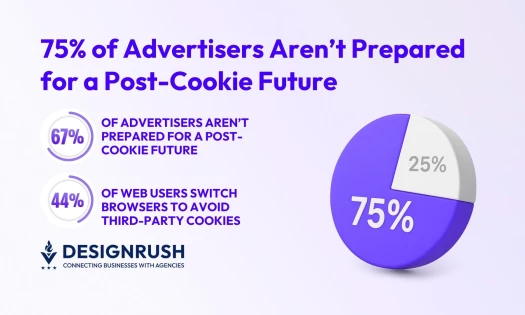

Web Data Key Findings:
- Real-time web data helps companies keep CRMs accurate, improve ad targeting, and train AI models on relevant, fresh information.
- Using scalable infrastructure to automate data extraction and processing allows businesses to overcome data staleness and inconsistency at scale.
- Integrating web data as a core strategic asset drives faster decisions, better customer engagement, and long-term business growth.
Data quality issues cost organizations an average of $12.9 million annually, according to research by Gartner.
That number is only rising as AI and automation become more deeply embedded in business operations.
Today, businesses trying to personalize outreach, optimize ad performance, or train domain-specific AI models often face the challenge that their data is outdated, incomplete, or too static to reflect real-world behavior.
That’s where real-time, structured web data comes in.
Across industries — from marketing and AdTech to enterprise software and AI — companies are integrating large-scale web data pipelines into their systems.
Editor’s Note: This is a sponsored article created in partnership with Bright Data.
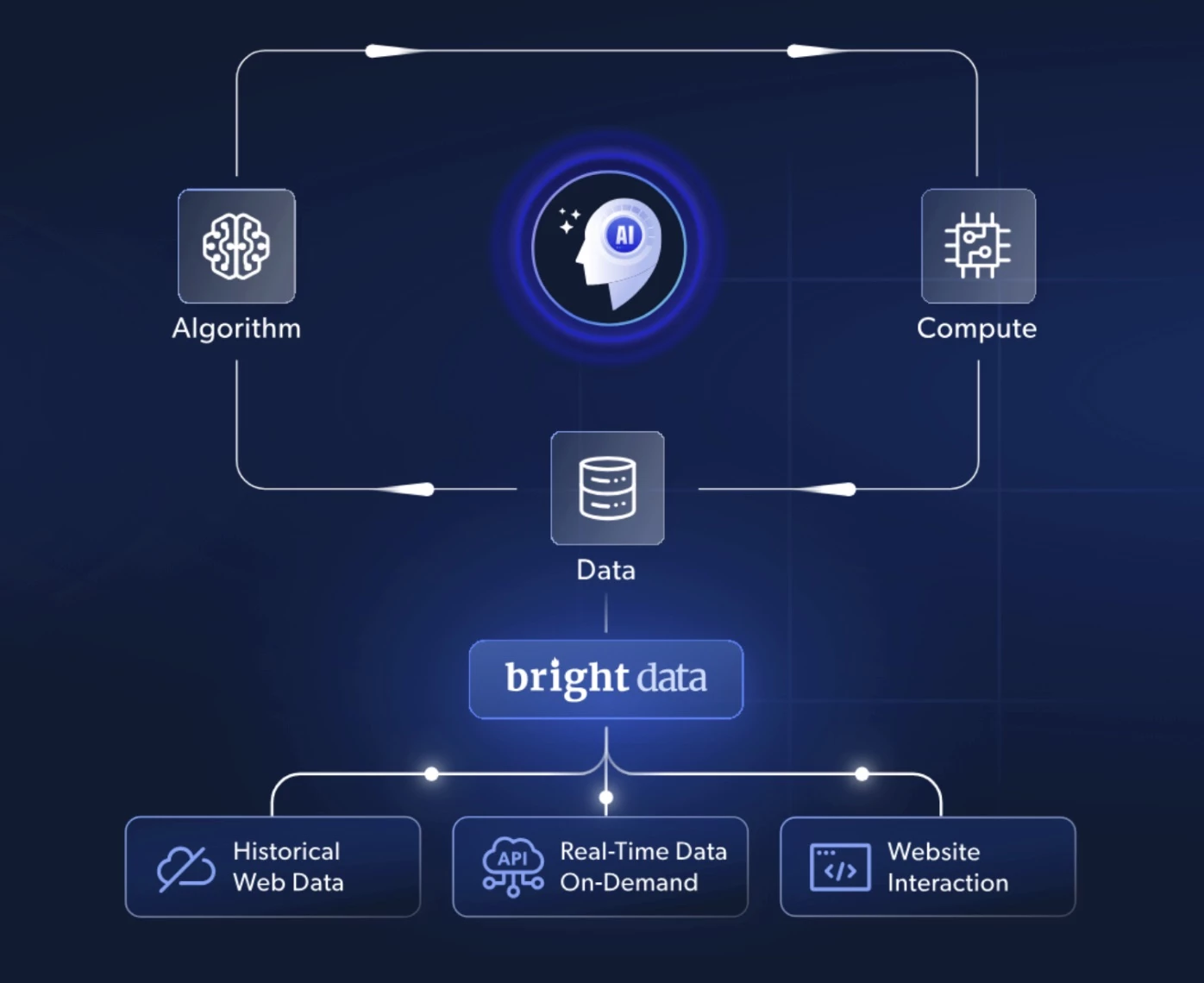
Using infrastructure from providers like Bright Data, businesses are able to continuously extract live, domain-specific insights from the public web at scale, speed, and accuracy that traditional data sources can’t match.
“As AI, personalization, and automation become business-critical, relying on static or outdated datasets simply isn’t enough,” says Ariel Shulman, chief product officer at Bright Data.
“Real-time, structured web data allows companies to reflect live market conditions, user behavior, and competitive shifts — directly inside the systems they rely on to drive growth.”
Here’s a closer look at three key data strategies companies are using to unlock the full potential of real-time web data.
1. Keep CRM Data Fresh with Live Web Signals
CRMs quickly lose value when data goes stale because outdated or incorrect information leads to missed opportunities, ineffective targeting, and wasted sales efforts.
Without fresh insights, businesses struggle to engage customers meaningfully or respond to changes in their needs and behaviors.
Top companies now enrich records with real-time web data, such as updated job titles, tech stack changes, company growth, and news mentions, to boost:
- Lead scoring accuracy
- Personalized targeting
- Triggered outreach timing
Scalable systems are needed to continuously collect and process structured web data from diverse sources, then seamlessly integrate it into CRMs or CDPs in near real-time.
“You can’t turn web data into business value without strong infrastructure,” xx said.
“That means more than just scraping; it means having the systems to structure, refresh, and deliver high-quality data directly into your workflows, whether it’s a CRM, ad platform, or ML pipeline.”
These systems must handle large volumes of data efficiently, ensure accuracy and consistency, and update customer profiles dynamically to keep information current and actionable.
2. Improve Ad Performance with Real-Time Competitive Intelligence
Even small delays or inaccuracies in competitor data can lead to missed opportunities, wasted ad spend, and lost ground in shifting markets.
Marketers monitor live product listings, reviews, and search trends to:
- Track competitor pricing and offers
- Spot high-intent keywords early
- Adjust targeting and creatives dynamically
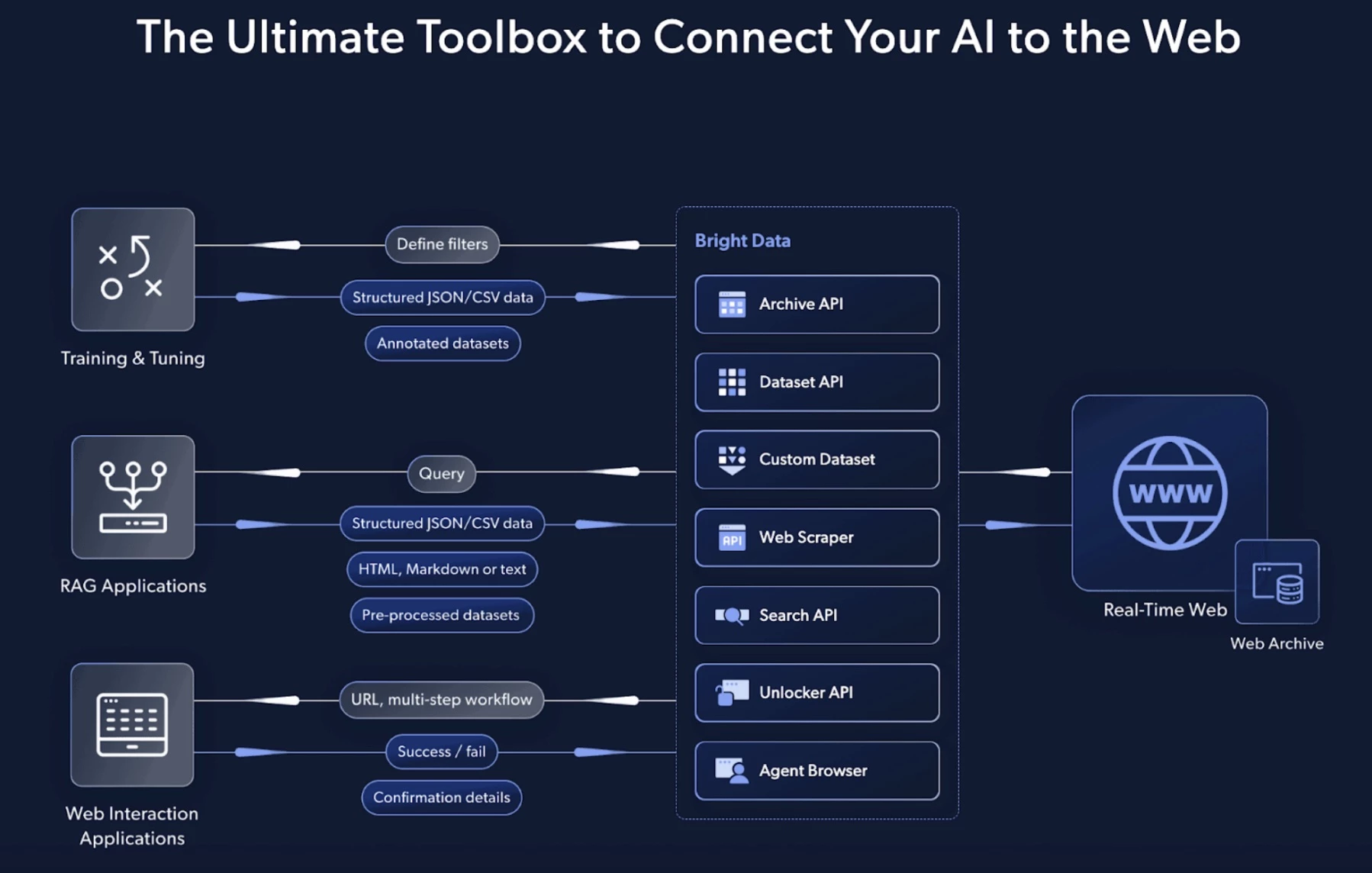
Achieving precise, real-time competitive intelligence requires reliable access to large-scale and constantly updated geo-specific web data.
This demands robust infrastructure that can handle high volumes without interruptions and integrate smoothly with ad platforms for rapid, data-driven decisions.
3. Train AI Models with Fresh, Real-World Inputs
Outdated or low-quality data can lead to inaccurate predictions, biased outcomes, and poor user experiences. To avoid this, leading teams rely on structured web data to:
- Train on real-world, domain-specific language
- Keep datasets fresh with real-time updates
- Diversify inputs beyond static corpora
Building and maintaining high-quality AI training data requires robust infrastructure that can efficiently collect vast amounts of raw web data and transform it into clean, structured formats.
This system must also continuously update datasets to maintain accuracy and relevance so models are trained on the freshest and most reliable information.
“Teams are increasingly made aware of the complexities of extracting clean, structured data at scale from the public web. Handling IP blocks and geo-targeting can be a constant effort without the right infrastructure in place, and teams are moving away from those to more advanced data solutions,” Shulman explained.
Web Data as Strategic Infrastructure, Not a One-Time Fix
Web data is not a one-time input. It is a dynamic asset that supports systems built for speed, accuracy, and scale.
The real challenge is not just access, but delivering structured, up-to-date information in a format that integrates smoothly with key workflows.
The right infrastructure automates data extraction and processing, unlocking structured, reliable datasets that empower teams to deliver faster and more effective business results.