
Google AI Mode and Mobile SEO: Key Findings
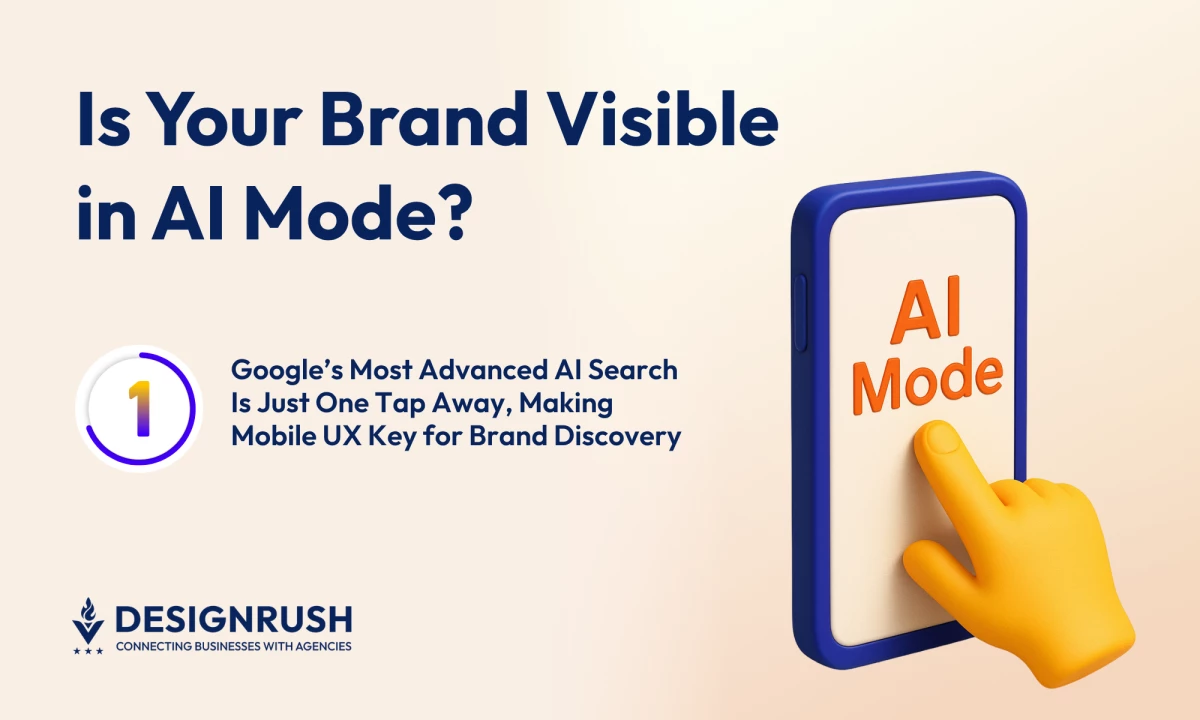
- Google’s AI Mode shortcut on mobile makes advanced AI search one tap away, showing brands how accessibility can drive discovery.
- Optimizing mobile UX, structured data, and geo signals determines whether AI Mode recommends a brand, demonstrating how agencies can guide clients to stay visible.
- Mobile experiences now influence conversions, not just awareness, showing brands how seamless journeys turn AI visibility into measurable results.
Google is making AI search easier to access on mobile.
Chrome for iOS and Android now features a dedicated AI Mode shortcut under the “New Tab” search bar.
One tap gives users Google’s most advanced AI search, letting them ask complex questions and follow-ups without leaving the browser.
According to TechCrunch, the shortcut launched first in the U.S. and will expand to 160 countries, supporting languages like Hindi, Japanese, Korean, and Portuguese.
The outlet also reports that Google aims to keep users in its ecosystem while making AI search more convenient than competitors like ChatGPT or Perplexity AI.
For brands with a local presence, this means ensuring your location shows up clearly and your site loads fast on mobile so AI Mode can recommend you to the right users.
This is because optimizing mobile UX and structured data will directly affect whether AI Mode recommends a brand, making these updates a crucial part of mobile SEO strategies in 2026.
Editor's Note: This is a sponsored article created in partnership with Digital Silk.
Optimize Mobile SEO for AI-First Search
Gabriel Shaoolian, CEO of award-winning web design and development agency Digital Silk, believes mobile AI search changes the game for brands.
“It’s no longer enough to optimize for keywords alone,” says Shaoolian.
Stores need clear, structured data, fast mobile experiences, and geo signals that help AI understand who to show your products to. Brands that adapt now will capture visibility and revenue before competitors even realize AI Mode is influencing customer decisions.”
These changes mean brands must move beyond traditional SEO and start optimizing specifically for how AI interprets and presents content on mobile.
Big update for AI Mode – plus new features:
— Rajan Patel (@rajanpatel) May 1, 2025
🔓open access to all Labs users in the US (try it here → https://t.co/r1Ucy3ZrC7)
📍new ways to take the next steps on shopping and local recs
Let us know what you think! https://t.co/lElhkBEQzp
Now, the stakes for mobile experiences are rising across industries.
Digital Silk has applied AI-enhanced mobile UX to help universities optimize mobile experiences, guiding users from discovery to action while ensuring the right content appears at the right moment.
“Higher education has a conversion issue, not an awareness issue,” Shaoolian explains.
“Schools don't just need visibility; they need better mobile experiences that guide students through discovery, comparison, and action with zero friction.”
Mobile experiences are now at the center of how brands get noticed.
Brands must focus on AI-ready mobile design, structured content, and seamless user journeys to stay visible and convert users effectively.
Together, mobile AI search and AI-generated Overviews are changing how users find information and how brands gain visibility.
One-tap AI Mode on Chrome is putting mobile experiences front and center.
Structured data, mobile UX, and AI-aligned content now determine which brands appear in search results, making these optimizations essential for visibility and conversions in 2026.
Optimize Sites for AI Visibility
In order to boost visibility and growth, B2B leaders should treat mobile UX and AI-ready optimization as an operational investment.
A website is a front-line business tool. It signals credibility and guides users long before they make a decision.
The content and structure should be clear, smart, and aligned with AI, including geo-signals, before any design or interface updates.
This determines whether visitors engage, take action, and return…or leave for a competitor’s site.