
Samsung x Haley Baylee: Key Findings
- The Galaxy S26 Ultra introduces a built-in Privacy Display that limits screen visibility from side angles.
- Influencer Haley Baylee stars in the campaign, playing multiple airplane passengers attempting to look at her phone screen.
- The Privacy Display feature can also hide parts of the screen, including notifications or password entries.
Your phone screen has never been so public or so private.
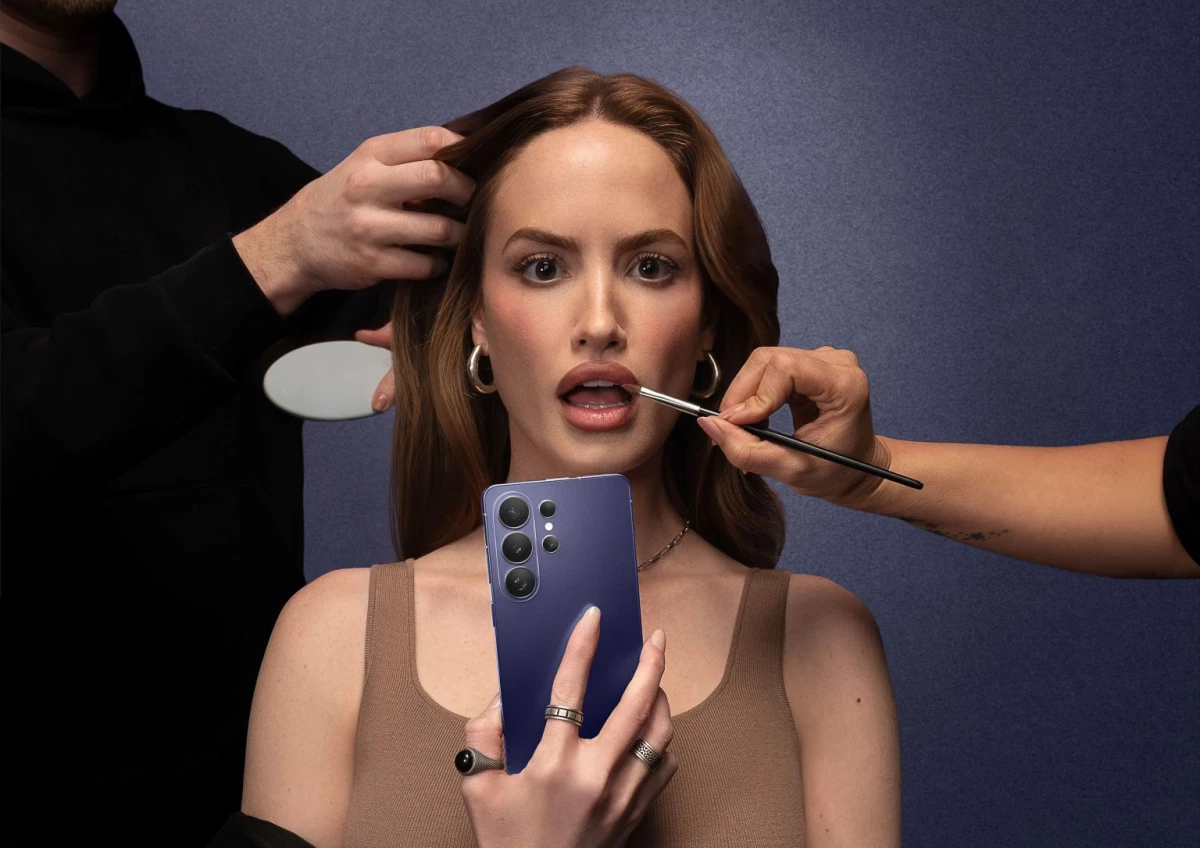
In a new campaign from Samsung, influencer and model Haley Baylee takes center stage to demonstrate the built-in Privacy Display on the Samsung Galaxy S26 Ultra.
The latest addition to the phone blurs peripheral views of the screen, designed to stop strangers from taking a look.
View this post on Instagram
Bayley, a successful influencer, joins Audrey Nuna as the face of the new feature's campaign.
Her colorful personality turned what would have been just a typical technical product demo into a short comedic scenario.
“With the launch of the Galaxy S26 series, we announced that Team Galaxy was growing and welcomed Haley Baylee to the team,” said Keena Grigsby,CMO and VP of mobile experience at Samsung Electronics America.
“Haley has many sides: a supermodel, comedian and creator — really a multi-dimensional class all her own and exactly the kind of originality that we’re about at Samsung.”
View this post on Instagram
Baylee also emphasized how the feature connects to everyday behavior.
“I love that I can customize what the display keeps private. Having that kind of power over what others see is a game changer,” she added.
Instead of focusing on product descriptions, the brand places the feature in an everyday scenario where privacy matters.
Furthermore, it highlights how Samsung is increasingly using influencer marketing to explain product features in more relatable ways.
When Everyone Tries to Peek
The hero spot starts with Baylee seated on a crowded airplane, casually using her phone.
Around her, passengers keep trying to glance at what she’s doing. Each of their attempts then fails once she activates the Privacy Display.
The comedic twist? Many of those curious travelers are played by Baylee herself.
View this post on Instagram
In more technical terms, the feature works by controlling how the phone’s pixels disperse light, limiting what people can see from side angles while keeping the display clear for the user.
When the feature is turned off, the screen returns to normal viewing angles.
Privacy Display can also be customized to hide specific parts of the screen.
For example, users can block notifications from appearing publicly or limit visibility when entering passwords.
View this post on Instagram
It's meant to address common situations where people use their phones in crowded environments, such as on flights, trains, or in public waiting areas.
Because the technology is integrated directly into the device’s display hardware, the privacy control can be activated instantly without requiring additional accessories or screen filters.
Why Samsung’s Privacy Display is Effective
Samsung’s latest product push shows why simple everyday scenarios can be the perfect formula when introducing technical features. Here, we learn that:
- Product demonstrations work best in familiar situations, placing tech features inside everyday use that audiences immediately understand.
- Influencer content holds audience attention 2.2× longer than traditional branded content, helping brands present new features in an entertaining and accessible way.
- Situational humor helps audiences recognize functional benefits faster and makes the feature easier to remember.
With a market cap of about $848 billion, the company still ranks 10th among the most valuable technology firms in the world.
Even though many of the companies ahead of it are software or AI platforms, Samsung still holds a strong base of loyal consumers in the global tech market.
This standing also depends on how the brand presents its innovations to the public.
Campaigns like this help reinforce its brand identity as a practical problem-solver, turning everyday frustrations like screen privacy into memorable product stories.
Our Take: Can a Phone Feature Carry the Story?
I’ve seen plenty of tech ads that drown you in specs. Numbers, acronyms, diagrams.
By the time the ad ends, you still don’t know if the feature is something you can really use.
Samsung took a smarter, more down-to-earth route here. They dropped the audience into something we all recognize, and that's when someone is trying to read your phone over your shoulder.
This tiny social tension becomes the whole story.
Samsung teaches us that if your product solves a real-life annoyance, show the annoyance first.
Meanwhile, Apple recently unveiled its new MacBook Pro lineup through two spots that demonstrate its professional performance.
Brands introducing new technology often rely on creative partners who can translate technical features into clear, engaging stories.
Explore these top creative agencies to help bring product innovations to life.