
Google has announced new protections for business profiles on Maps.
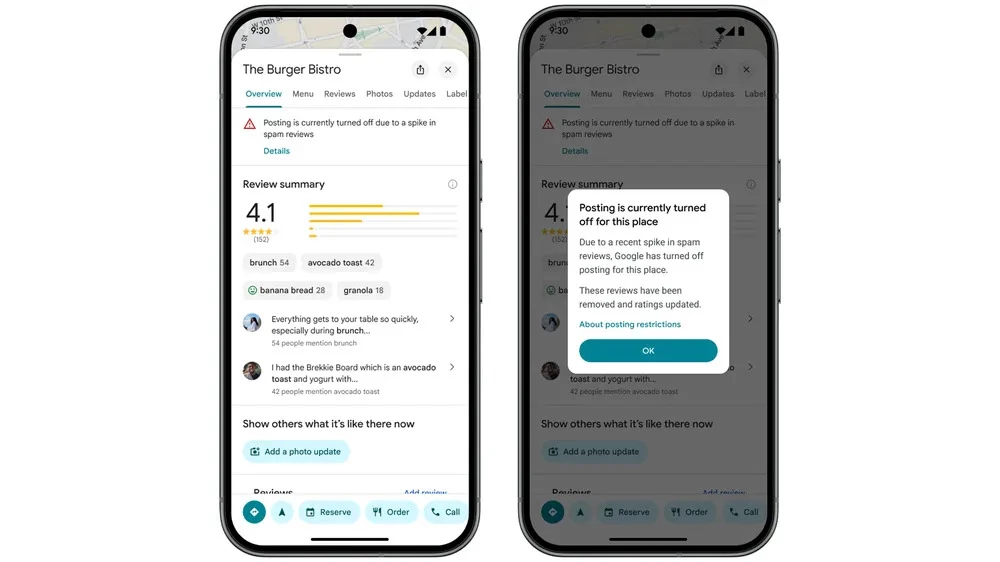
These include faster detection of fake one-star review scams, now powered by Gemini models, and the ability to pause new reviews on profiles under attack.
The update is part of what the company describes as an ongoing investment to fight bad actors.
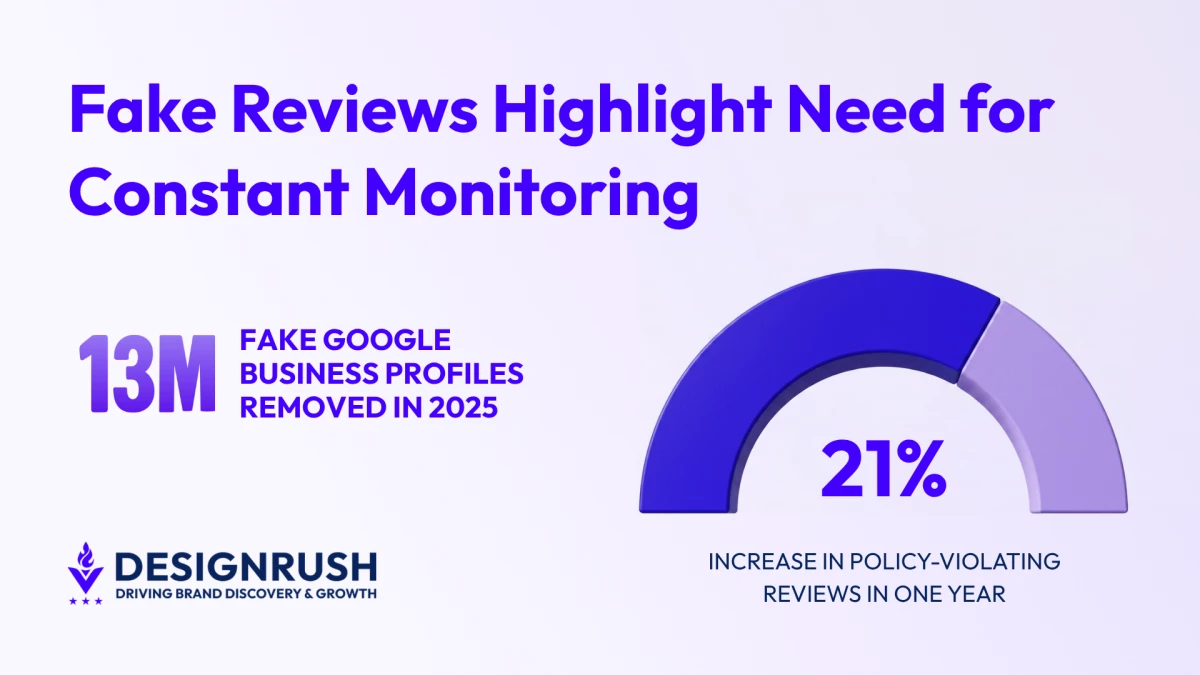
In 2025, 292 million policy-violating reviews were blocked or removed, 21% more than the year before.
Over 13 million fake Google Business Profile listings were taken down in the same period.
The platform's enforcement architecture is getting smarter, and it’s already showing up in how review removal requests get handled.
But what changed?
Precise Removal Requests Are the Only Ones That Work Now
Today’s upgraded systems are designed to stop suspicious content before it goes live, not just remove it after the fact.
That changes what a formal removal request needs to look like.
Erase.com, a leading online reputation management company, has been tracking this pattern closely as platform enforcement tightens and generic flagging becomes less effective.
"You can flag a review, but there's no timeline, no case manager, and no guarantee of removal even if the review is obviously fabricated," said Victoria Marshall, marketing & brand manager at Erase.com.
Overall, the system now runs on automation, so most flags get a standard rejection without a human ever looking at them.
Specificity is what gets results now, so brands trying to have reviews removed should:
- Name the exact policy being violated.
- Provide documentation that supports the claim.
- Submit through the correct escalation path, not the general flag queue.
- Follow up if the initial request is rejected.
| What Fails | What Works |
|---|---|
| Generic flags | Policy-specific requests |
| Automated submissions | Direct platform escalation |
| One-time cleanup | Continuous monitoring |
| Vague language | Documented policy violations |
Review Abuse Has a Direct Line to Revenue
A single coordinated attack can move a business's visible rating within hours of reviews being indexed.
The damage spreads faster than most businesses expect.
AI-generated summaries pick up rating changes quickly, but they don't always update in real time after a review is removed.
"Most owners find out when a customer mentions it. By then, the rating has moved, and so has their visibility," said Marshall.
The industries Erase.com sees hit hardest are home services, legal, financial, and healthcare.
In all of them, that visibility shift translates directly to fewer calls and inquiries.
In some cases, the attack comes with an offer to make it stop for a fee.
One-Time Cleanups Are No Longer Enough
Removing a batch of fake reviews is not the same as solving the problem.
These new protections will catch some attacks before they land. Others will get through.
When the next wave hits, businesses that approach online reputation management as a one-time project will be most vulnerable.
What does a more durable approach look like?
"Removal means the review is gone. Suppression means building enough legitimate positive content and review volume that the negative material becomes a smaller part of the overall picture,” said Marshall.
“Both need to run simultaneously."
Monitoring is not optional maintenance. It catches coordinated review clusters before they move a rating.
Brands that build this capability, whether in-house or through an agency, will be the ones best positioned to respond before the damage compounds.
Review Management Is Now a Business Requirement
Before this crackdown, a business owner could sometimes get a fake review removed by flagging it. That window is effectively closed.
What the platform tightened, it tightened against everyone. Businesses with legitimate cases are not exempt.
The ones hit hardest tend to be the ones with the least capacity to navigate it. They are going to call someone.
Review management is now something agencies are responsible for, whether they offer it or not.