
Google Pixel x Oscar Piastri: Key Findings
- Google Pixel has launched a national campaign featuring Formula 1 driver Oscar Piastri, establishing the Pixel 10 as a prompt for consumers to reconsider long-standing phone loyalty.
- The work draws on Piastri’s real-world reputation for making decisive career moves, using his recent Formula 1 team switch as a subtle narrative parallel without overtly naming it.
- Timed to the Australian Open, the campaign stretches beyond film into sponsorship assets, social content, and on-ground activations, marking Emotive’s first collaboration with Google Pixel.

Campaign Snapshot
Google’s latest marketing push is urging phone users to rethink what they're used to and make a bold swap.
The tech giant has teamed up with Formula 1 driver Oscar Piastri as its unexpected advocate for its latest smartphone, the Pixel 10.
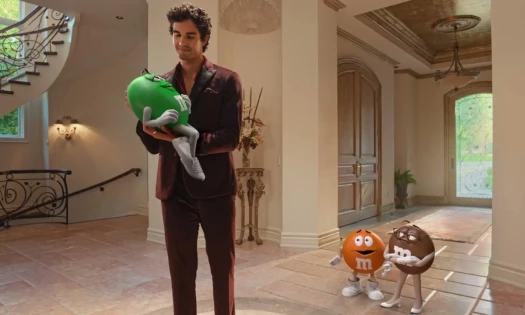
Created with independent agency Emotive, the national campaign taps into Piastri’s reputation for decisive career moves to show consumers that switching their smartphone could be a smart choice too.
Piastri, known for his calm demeanor and performance on the track, headlines the work, which runs across broadcast, digital platforms, and social content.
Emotive’s CCO Gavin McLeod said the idea is to “challenge complacency” by connecting Piastri’s mindset to everyday tech decisions.
“Oscar knows better than most that progress comes from being willing to switch," McLeod added.
"He has done it in his career, so he is the right person to encourage Australians to step out of autopilot with their phones and expect more.
"And, of course, Oscar never overplays it. He lets the Pixel advantage speak for itself.”
Google’s Director of Devices Marketing, Julia Davis, backed these sentiments, calling the work a part of the tech giant's global effort to feature sports icons like basketball legend Stephen Curry and football star Sol Campbell.
When it comes to the collab with Piastri, Google leans into his "signature deadpan humor" to make the message “fun, distinctive, and memorable."
It intentionally highlights Piastri’s recent Formula 1 team switch, using that narrative to amplify the theme of change.
Taking the Message Courtside
The creative includes several film cuts directed by Isaac Lock of Somesuch.
There's a 30-second hero spot, a 15-second evergreen piece, and a tennis-themed cut timed with the Australian Open, where Google Pixel is the official smartphone partner.
Here, he talks about his desire to always be on the winning team, which informs his decision to switch to the Google Pixel.
Beyond the films, the rollout spans social content, sponsorship assets, public relations, and on-the-ground activations at the Open, bringing the campaign into the real world and onto multiple screens.
At the heart of the campaign’s activation efforts is the Australian Open, where branded sponsorship placements and experiential moments invite attendees to interact with the Pixel 10 lineup.
On-site assets and digital extensions are designed to push the idea of “switching” with playful nods to sport and technology.
Ultimately, Emotive’s debut work with Google Pixel shows a willingness to test new creative territory for the brand, layering subtle references to Piastri’s career narrative in spots aimed at sparking conversation.
It arrives at a moment when Pixel phones are gaining traction, with research showing a strong 2025 demand growth for the phone.
It even re-entered the top five global premium smartphone brands, reflecting double-digit shipment increases.
How Is This a Good Marketing Move?
Google’s Pixel efforts offer a case study in turning a performance narrative into consumer relevance.
- Tying a product to a relatable personality like Piastri's can make tech choices feel more trusted and less transactional.
- Aligning a campaign with a major event like the Australian Open maximizes visibility and offers layered touchpoints for engagement.
- Creative that subtly references cultural moments (like Piastri’s team move) can deepen resonance without overwhelming the core message.
Incidentally, Alphabet reportedly hit a $4 trillion valuation recently, making it one of only a handful of companies to cross that threshold.
Our Take: Can A Creative Spin Change Phone Habits?
Google knows that if it wants to stay competitive, sometimes, it needs to take a cheeky dig.
Alone, subtly influencing consumers to "make the switch" from an iPhone or a Galaxy unit may not be effective.
But if you pair that move with a figure like Piastri, it just might work.
The use of the racer's real-world switch in the sport offers a narrative hook that’s simple yet distinct, and the creative choice helps the initiative land without feeling overhyped.
The work then becomes a reminder that meaningful brand campaigns don’t always need flash, but a good balance of relevance and timing.
There’s room here for Google to build momentum, provided future creative efforts keep pushing beyond feature lists into the realm of human decisions.
In other news, Google recently teamed up with Sex and the City star Sarah Jessica Parker to promote a new way of holiday shopping.
Partner with the Top Digital Agencies to elevate your brand’s online presence and strategy through DesignRush.