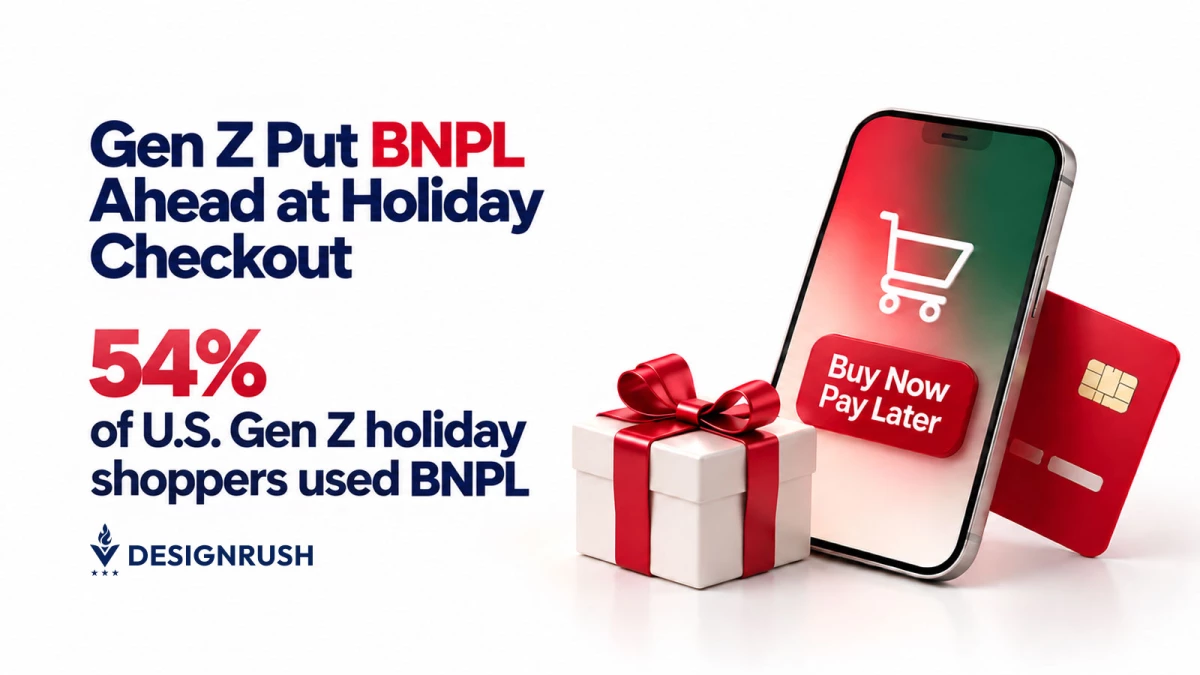

During the 2024/2025 holiday shopping season, Buy Now Pay Later (BNPL) solutions moved ahead of credit cards among U.S. Gen Z shoppers.
As many as 54% used BNPL, compared with 50% who used credit cards, according to J.D. Power research cited by Payments Dive.
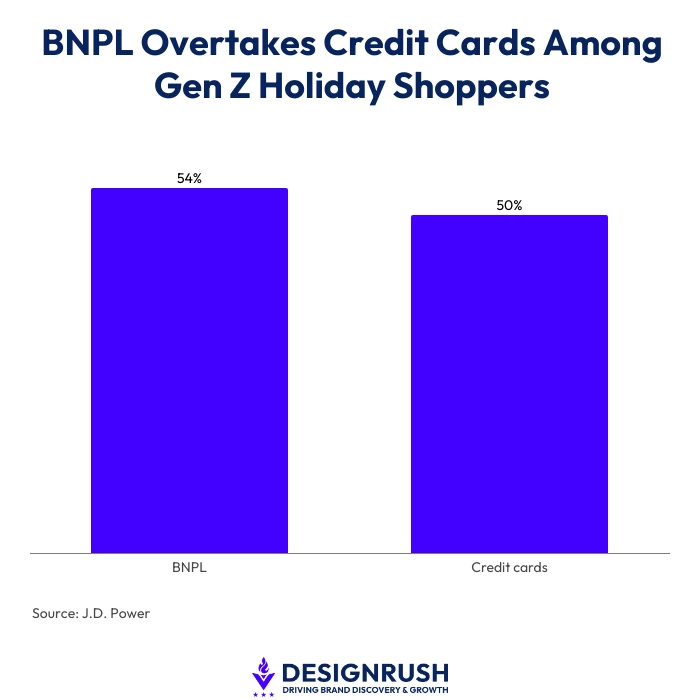
Interestingly, that lead was limited to the holidays. Across 2024 as a whole, 50% of Gen Z used credit cards, while 44% used BNPL.
For retailers and eCommerce brands heading into another holiday season, this helps explain why payment choice can affect the purchase before a shopper ever reaches the final checkout screen.
With experience building mobile apps and fintech products, Miquido examines that part of the purchase journey in its Mobile-First Credit Products report, which covers six challenges and six trends shaping digital lending.
Its analysis looks at how credit is increasingly built into shopping, banking apps, and delivery experiences customers already use.
Dominika Będkowska, market researcher at Miquido and author of the report’s competitive analysis, says that brands preparing for peak season should start by removing work from the checkout rather than adding more to it.
"Cut the effort first, then add options," Będkowska says.
"Strip out every field you don’t need and make guest checkout the default. Support the wallets and deferred-payment methods they already use."
CNBC examines why BNPL is gaining ground on credit cards, with J.D. Power’s Sean Gelles among the experts discussing the trend:
Where BNPL Should Appear in Checkout
Miquido’s analysis separates providers by how they reach the customer.
The likes of Allegro Pay, Alior Pay, and InPost Pay operate inside apps people already use, while others such as PayPo, Smartney, and Twisto Polska have to build their own distribution and bring customers into a separate credit journey.
Being inside the purchase flow gives the first group access to shoppers while they are still deciding what they can afford.
Providers building distribution from scratch have to find their way into eCommerce checkouts or create enough repeat contact to be present when that decision happens.
Gen Z has kept using BNPL even as adoption across the market softened, with GWI reporting that usage among the generation rose 10% between Q4 2022 and Q4 2024, while overall BNPL use fell 10% during the same period.
Będkowska recommends showing the per-installment price on the product page and again in the cart, while shoppers are still working out whether the purchase fits their budget.
"Earlier than most brands put it," she says.
"If the installment option first appears on the final payment screen, it only changes how someone pays for a decision they’ve already made."
How Retailers Should Test BNPL Costs and Trust
A higher BNPL conversion rate does not tell a retailer whether the payment method is profitable.
Będkowska recommends comparing provider fees with changes in conversion and basket size using the retailer’s own data.
The calculation will depend on margins, customers, and what they are buying.
The customer also needs to know the full cost, installment amounts, and repayment dates before purchase. This means no preselected add-ons and a reminder before each payment is due.
But a failed payment can also create a challenge.
When a card is declined, a BNPL application fails, or a promotion does not work, the checkout needs to tell the shopper what happened and what they can do next.
Miquido’s report notes that younger consumers check reviews before trusting a brand and that an unexplained rejection can quickly end up on forums, in groups, or on social media.
The likes of the EU’s revised Consumer Credit Directive also brings BNPL arrangements within its scope, with member states required to apply the new rules from Nov. 20, 2026.
"A brand that offers BNPL responsibly protects its margin and its reputation," Będkowska adds.
"A brand that pushes it to inflate the basket risks the repeat customer it was trying to win."
What Agencies Should Audit Before Peak Season
Before peak traffic arrives, Będkowska says that agencies should work from what customers are already doing in the checkout rather than begin with a redesign.
"Measure before you redesign. Map where users actually abandon: on which step, on which field, and on mobile versus desktop," she says.
From there, the audit can focus on four areas:
1. Effort
Count the fields and steps, and check how many ask for information that could be prefilled or obtained with the shopper’s consent.
2. Failure paths
Review what happens after a declined payment or failed BNPL check and whether the shopper knows what to do next.
3. Consent
Check for preselected options or information that is difficult to notice before purchase.
4. Payment-method visibility
Check whether installment pricing appears before the final payment screen, while the shopper is still deciding whether the purchase is affordable.
Miquido’s own credit-process audit examines the customer experience and effort, manually entered data, rejection explanations, and consent as separate parts of the journey.
For retailers heading into the holiday rush, one question is worth asking.
If payment options can change whether a basket feels affordable, how much of conversion now depends on the checkout itself?
Want to know more? Download a complimentary copy of Miquido's Mobile-first Credit Products report.