
Ferrari's first fully electric car hit the market with immediate backlash from investors and mixed reactions from longtime fans.
Shares dropped more than 6% following the reveal as investors weighed the risks of electrification in the luxury performance market.
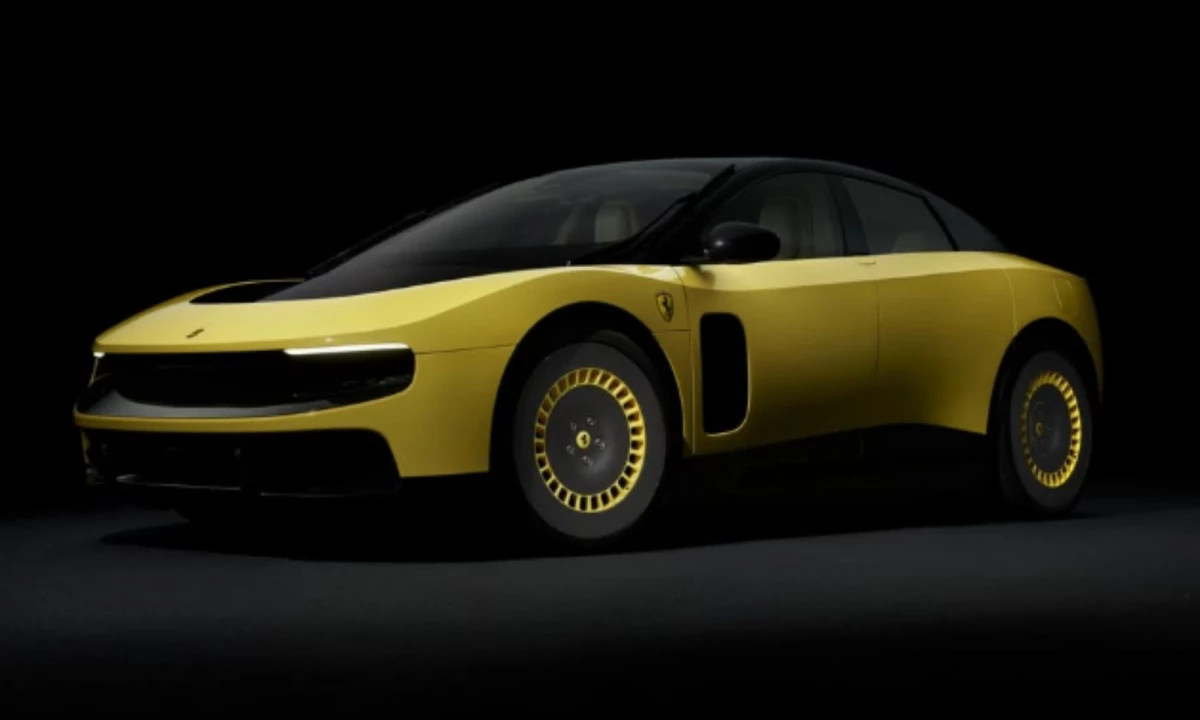
Designed with LoveFrom, the Italian automaker unveiled the Luce in Rome on Monday, revealing a five-seater EV.
Priced at roughly $640,000, the Luce reaches 0 to 60 mph in about 2.5 seconds and tops out near 192 mph.
The EV was developed fully in-house in Maranello, while LoveForm, founded by former Apple design chief Jony Ive, handled the industrial and interior design.
Ferrari CEO Benedetto Vigna positioned the model as a long-term technology play tied to its future growth strategy.
"We have created a car that combines unique driving emotions with extraordinary performance, driving pleasure, and comfort for the Ferraristi of today and tomorrow," Vigna said in a press release.
The Luce arrives as luxury automakers face slowing demand for premium EVs.
In fact, Porsche pulled back its EV rollout after weak demand in China and the U.S. forced a costly strategy reset.
Ferrari is taking a different read on the same data, betting that design, exclusivity, and craftsmanship are what affluent buyers in this segment are actually paying for.
The investor reaction at launch suggests that this bet is not yet fully convincing on Wall Street, even if the car itself is.
Ferrari Rewrites Its Luxury Formula
The Luce departs heavily from Ferrari's traditional design language.
LoveFrom created a larger four-door body with rear-hinged doors, a hatchback-style rear, and a minimalist interior dominated by physical controls.
The interior combines recycled aluminum, glass console elements, physical switches, Samsung OLED displays, and aviation-inspired controls.
It's also outfitted with a custom sound system to amplify vibrations from the EV powertrain and preserve emotional driving feedback.
The automotive positioned the Luce as its most practical production model yet, with seating for five and expanded cargo space for daily use.
Comment
by u/sheriffly from discussion
in CarsIndia
The new design could risk alienating longtime Ferrari purists, but the brand appears willing to trade nostalgia for relevance in high-end automotive branding.
This strategic approach conveys a wider luxury trend where heritage brands compete on experience design and lifestyle positioning.
The EV Market Reality
Ferrari spent years preparing for electrification through Formula One systems, hybrid supercars, and a dedicated EV production facility in Maranello.
Cutting its 2030 EV target mix from 40% to 20% signals that even the most prepared brands are reassessing how quickly affluent buyers will go fully electric.
Ferrari shares fell after the Luce reveal and are down nearly 27% over the past year, reflecting investor uncertainty about the EV timeline.
The luxury EV market keeps moving the goalposts, and pricing a first-gen model at $640,000 leaves little room for hesitation.
Luxury EV demand is forcing brands to rethink what innovation means to high-end consumers.
- Heritage still shapes buyer confidence. Brands should connect new technology to familiar brand values to reduce loyalist resistance.
- Premium consumers expect function and exclusivity. Marketers should highlight practicality and experience for broader consumer appeal.
- Product design now carries more brand weight. Teams should invest in industrial design and interface experience to create EV distinction.
As luxury EV competition grows, brands that balance innovation with emotional familiarity will have a stronger chance of sustaining long-term demand.
Our Take: Can Ferrari Sell an EV Without Losing Its Edge?
Yes, if buyers see the Luce as a luxury product first and an EV second.
With this model, Ferrari appears interested in attracting consumers who value exclusivity, industrial design, and technology.
We can already see this strategy shaping the vehicle's oversized proportions, minimalist cabin, and lifestyle positioning.
The risk is that Ferrari's core audience may see the EV as disconnected from the emotional identity that made the brand iconic in the first place.
High pricing also limits how much room Ferrari has for consumer hesitation.
Still, the Luce could influence how other luxury automakers approach EV design as performance becomes easier to replicate across the category.
While Ferrari leans into exclusivity, Toyota's "All-Electric Family" campaign focuses on familiarity, practicality, and everyday behavior.
Brands navigating major product repositioning often rely on automotive branding agencies. Our team has identified these Top Automotive Branding Agencies in our directory.