
Experian's Fairy-Tale Campaign: Key Findings
- It uses Grimm-style storytelling to soften credit anxiety, reframing scores as guidance instead of judgment in a category defined by fear.
- The campaign reinforces the company's long-term investment in trust, prioritizing emotional clarity over urgency-driven conversion tactics.
- The work extends Experian’s “Big Financial Friend” platform, positioning financial literacy as ongoing support.

Campaign Snapshot
Experian UK is leaning into fairy tales to do something credit brands rarely attempt: make people feel understood.
In a new campaign developed with BBH London, the credit reporting company reimagines Grimm-style stories to reframe how consumers see their credit scores.
The work presents credit as a supportive presence rather than a looming verdict.
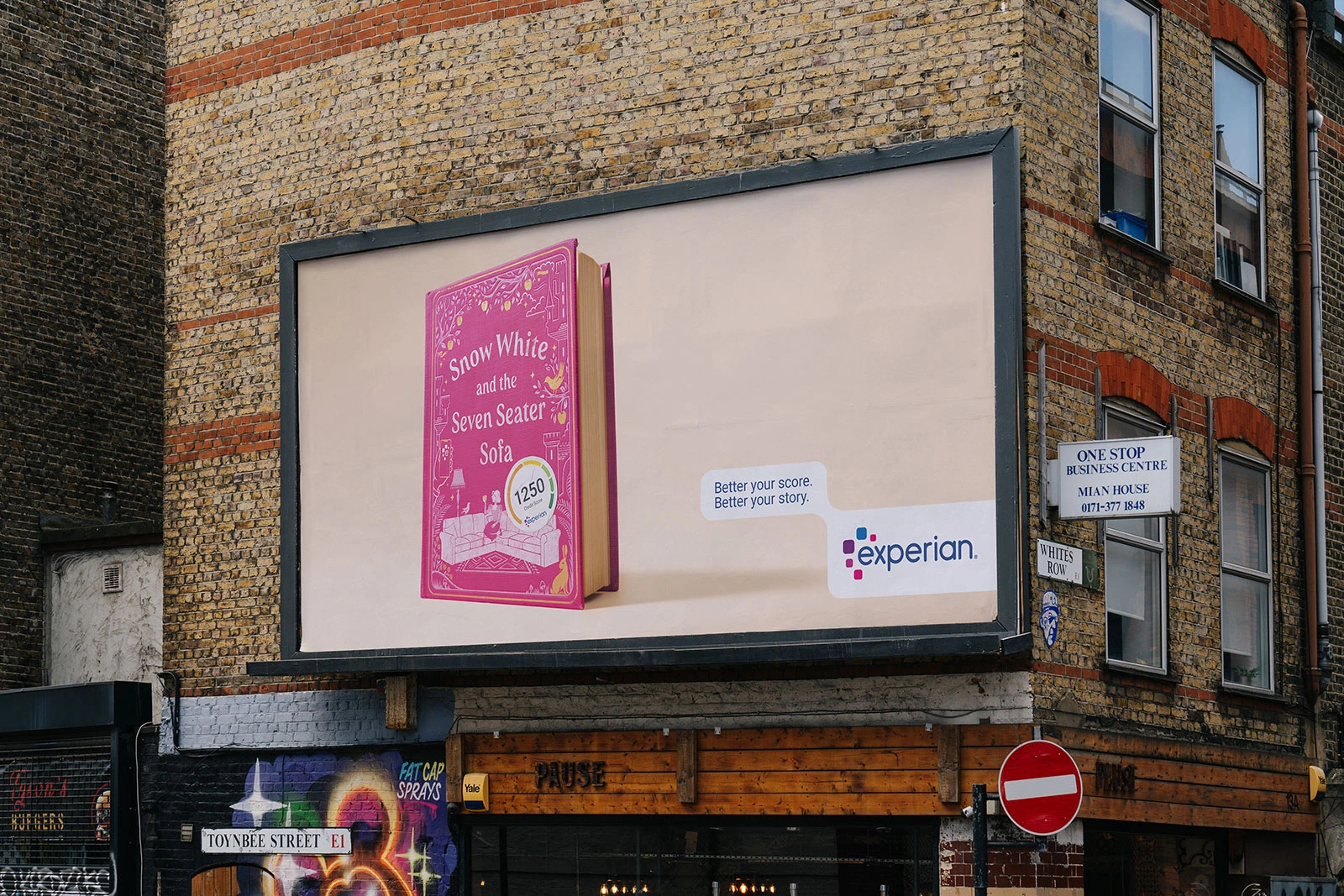
The tone of the campaign is gentle, familiar, and deliberately human.
“We know that life doesn’t always go to plan. But with the right tools and guidance, everyone has the power to change their narrative,” Experian CMO Sal Miller said in a statement.
"This platform brings that promise to life in a way that’s bold, relatable, and full of optimism.”
This brand strategy responds to persistent anxiety around personal finance, especially during periods of economic pressure, relying on familiar narratives to lower resistance.
Fairy Tales for Modern Credit Anxiety
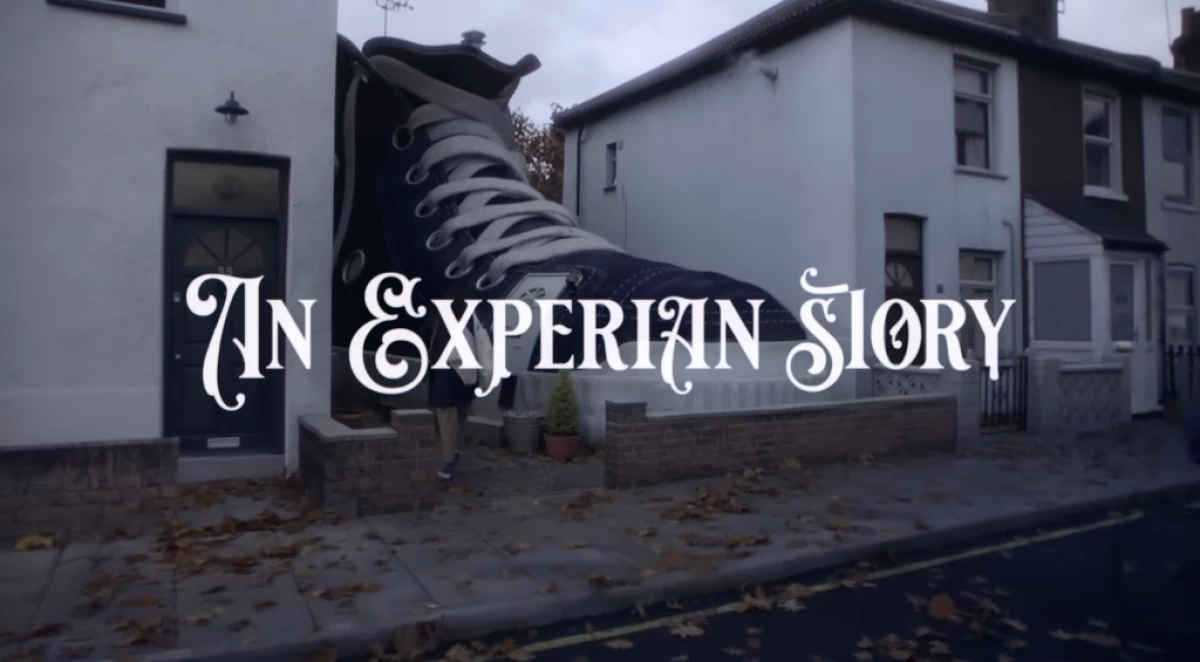
One spot centers on a modern twist of “There Was an Old Woman Who Lived in a Shoe.”
It follows a stressed-out family living inside a cramped shoe-house, a visual metaphor for financial constraint.
As the family improves its credit score, their living situation gradually expands, evolving into a boot that represents improved stability and opportunity.

It's a narrative that mirrors real financial pressure without exaggeration.
Production choices keep the environment grounded and relatable, positioning Experian as a steady guide during uncertain moments.
This supports long-term brand equity by prioritizing credibility and reassurance over immediate response.
Trust as the Primary Competitive Battleground
Financial services marketing has increasingly leaned toward emotional positioning as confidence remains fragile.
In fact, research around financial avoidance shows anxiety influences how people engage with money tools.
Experian’s work positions the brand as present across life stages, not only at moments of crisis.
This thinking continues through the “Big Financial Friend” platform, where credit appears as a protective, approachable figure rather than an authority.
The metaphor reinforces guidance without pressure or shame, and together, they support a worldview built on consistency rather than urgency.
Several transferable patterns emerge from the work:
- Familiar storytelling lowers emotional resistance, especially in categories tied to stress.
- Reassurance sustains attention longer than alerts, giving audiences space to engage without defensiveness.
- Consistency across platforms builds credibility, reinforcing trust through repetition rather than escalation.
Remember that trust-driven messaging requires alignment across creative, media, and measurement.
Our Take: Can Credit Marketing Feel Comforting?
I think that Experian is making a credible case that it can, showing it understands financial stress is emotional before it is informational.
The brand is choosing reassurance over urgency, a move that signals confidence in long-term trust rather than short-term conversion.
This approach mirrors other recent brand efforts, including Rocket Mortgage’s NFL campaign, where guidance and usefulness took priority over hard selling.
In categories where anxiety runs high, brands that lead with support tend to earn permission to stay present longer.
And when done well, I believe that it can be a huge differentiator.
Discover Top Creative Agencies on DesignRush that build trust-driven brand stories, not noise.