
Enterprise Consulting Key Findings:
- Lead with business value, not technical jargon. Enterprise buyers want clarity on outcomes, not buzzwords or infrastructure details.
- Back your claims with evidence. Real-world results, case studies, and testimonials build credibility and trust from the first interaction.
- Think beyond the pitch. Position your consultancy as a long-term partner by aligning messaging with buyer priorities at every stage of the journey.
When enterprise buyers know exactly what they want, they’d rather skip the sales pitch.
In fact, 64% of tech buyers who are familiar with a product or service prefer a fully digital buying experience, according to a survey by Gartner.
It’s not because they want to avoid sales reps, but because they value speed, self-service, and confidence in what they’re buying.
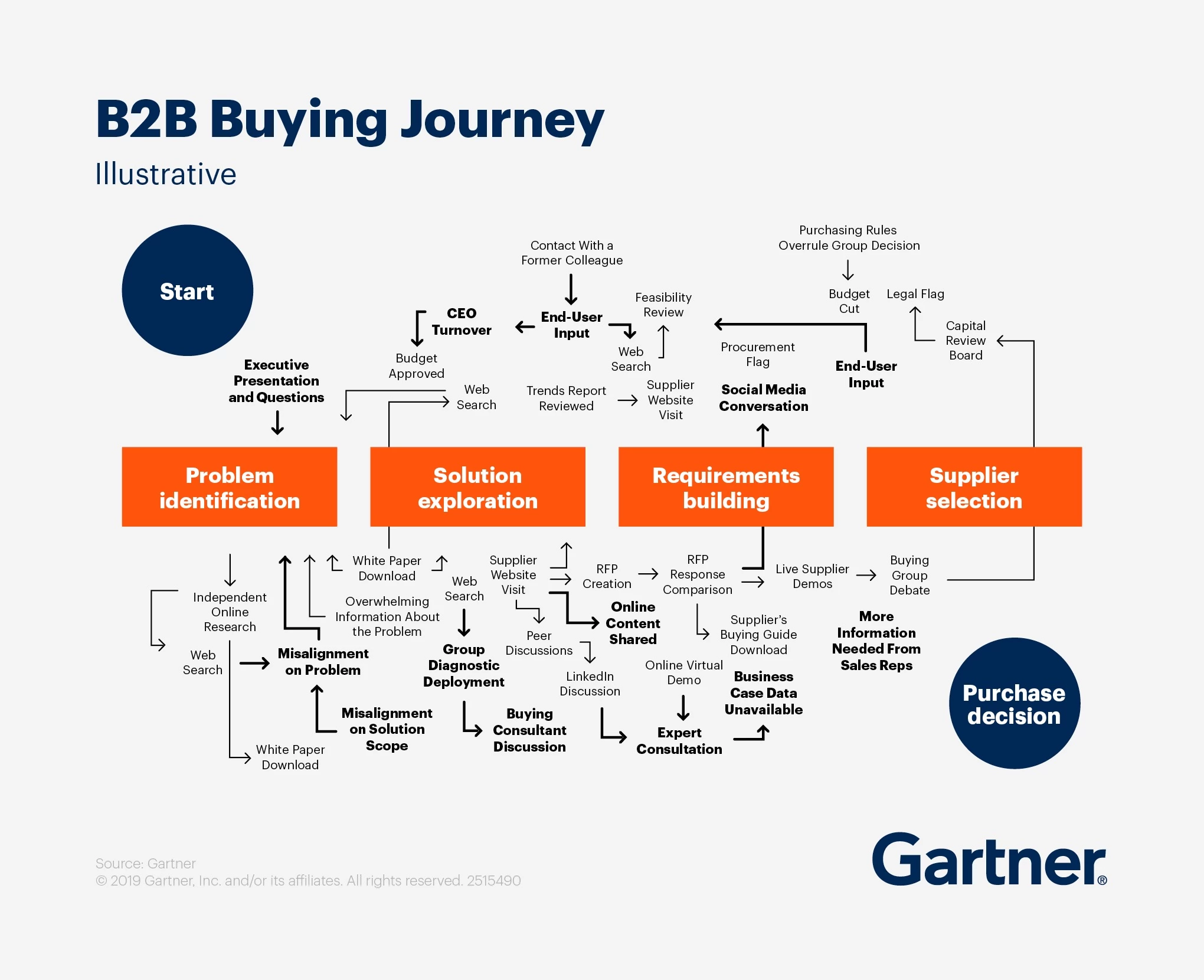
That confidence comes from clear business outcomes, proof of results, and solutions tailored to the buyer’s context — not just a list of features or technologies.
And that’s where many consultancies miss the mark.
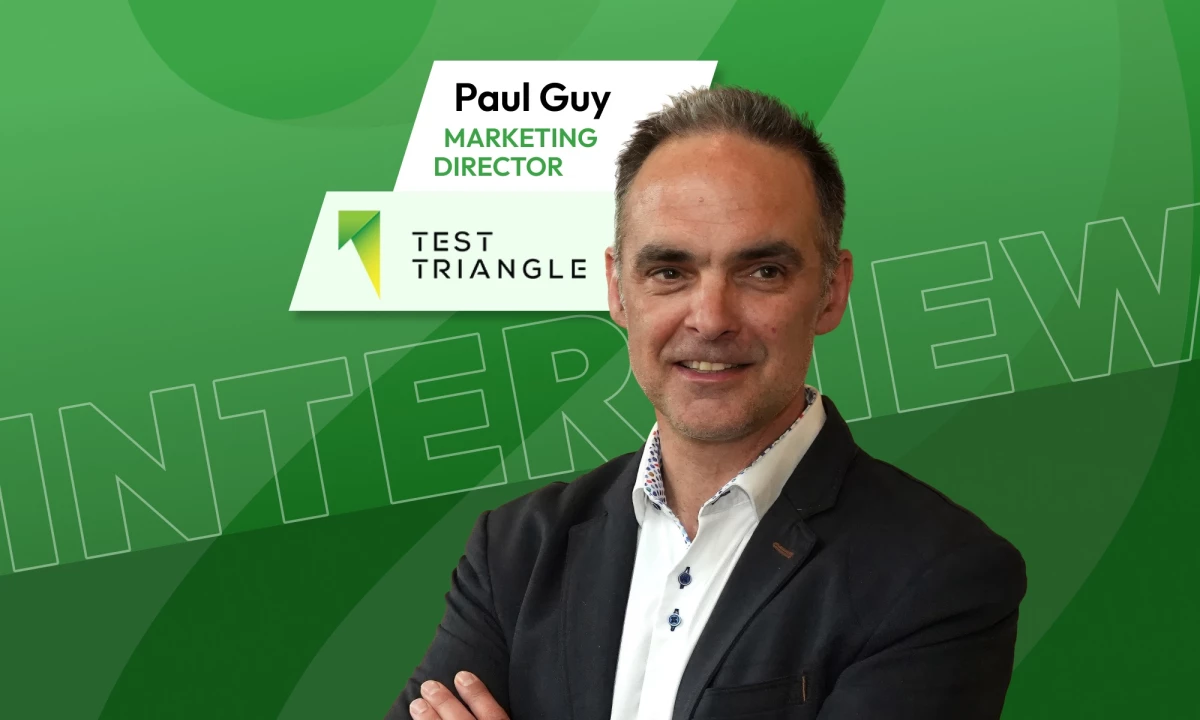
Paul Guy, marketing and product director at Test Triangle, helps enterprise consulting brands position themselves for long-term value, not just short-term sales.
I spoke with him about the biggest mistakes consulting firms make when selling to enterprise buyers, and how to build trust, relevance, and credibility from the very first touchpoint.

Who is Paul Guy?
Paul Guy is the marketing and product director at Test Triangle, where he leads growth strategy across Europe and EMEA. With a background in marketing, cognitive psychology, and technology partnerships, Paul specializes in aligning marketing, sales, and IT to drive business impact. He’s played a pivotal role in Test Triangle’s growth and credibility, forging partnerships with Atlassian, AWS, Microsoft, and Freshworks, and helping the company win enterprise clients through tailored positioning and service design.
1. Translate Technical Terms Into Business Value
Enterprise buyers aren’t impressed with abstract promises.
When consultancies lean too heavily on terms like “automation” or “digital transformation” without grounding them in a real business context, they risk losing credibility.
What clients actually want to understand is how your solution supports their specific goals, and whether their organization is truly ready to adopt it.
Discovery and due diligence must come first.
Strong positioning accounts for the enterprise’s internal capabilities, legacy systems, and market constraints, helping you avoid overpromising and underdelivering.
“A common mistake is placing too much focus on the phrase automation,” Paul says. “If there is not enough due diligence done pre consultancy then the whole automation purpose can be inefficient and results in disappointment of inadequate return on investment.”
Effective messaging translates technical capabilities into clear business value, not trends or buzzwords.
2. Anchor Your Pitch in Outcomes, Not Infrastructure
Most enterprise buyers aren’t looking at a consultancy’s technical expertise in isolation. Instead, they're evaluating whether that expertise will actually deliver results.
Focusing too heavily on tools, frameworks, or infrastructure distracts from what matters most:
- Improved productivity
- Cost reduction
- Risk mitigation
- Better customer experience
Consultancies that lead with business outcomes can frame technology as a means to an end, not the end itself.
A results-first approach makes it easier for clients to see how a solution fits into their bigger strategic picture.
“Many consultancies often focus on showcasing the technical capabilities behind their Digital Transformation services, instead of working on a fulfillment strategy for what the business outcomes are,” Paul says.
“All consultancies should, therefore, focus on framing what the value proposition is to improve risk mitigation and positioning the planned technology as a means to achieving the goals.”
Customization also plays a key role in outcome-driven messaging.
Tailoring solutions to the client’s pain points and breaking complex transformations into phased, trackable steps helps buyers move forward with confidence.
3. Think Like a Customer at Every Stage
It’s easy for consultancies to default to a solution-first mindset, but the strongest marketing and messaging happens when you adopt the buyer’s perspective.
That means understanding how they evaluate options, compare pricing, and navigate post-purchase expectations.
Enterprise buyers conduct cost-benefit analyses, explore alternatives, and research independently before engaging with a partner.
They also care deeply about the long-term value of the relationship, not just the initial sale.
“A buyer is a customer — every form of customer will always look at alternatives and get cost analysis before making a purchase,” Paul says.
“Your mindset should shift the focus from closing the deal to positioning your brand as a long-term partner.”
Post-purchase engagement is often undervalued, yet it’s critical to building trust and unlocking future opportunities.
Ongoing support, feedback loops, and follow-ups not only reinforce credibility but can lead to upsells, renewals, and referrals.
4. Back Every Promise With Proof
Enterprise buyers need evidence that a consultancy can deliver, and promising faster outcomes or lower costs isn’t enough.
Buyers want to see how those promises have played out for others.
Case studies, measurable outcomes, and client testimonials are essential to credibility.
Clear articulation of the problem, your proposed solution, the actions taken, and the results achieved gives buyers a framework for evaluating your fit.
“Showcasing your proven success is key. Highlighting well-crafted case studies with STAR: Situation, Task, Actions, Results — that sets your brand and service apart,” Paul says.
Trust is also built through consistency. A cohesive experience across channels reinforces your positioning and reliability.
Transparency around timelines, scope, and risks shows clients you’re a long-term partner, not just a vendor.
5. Match Your Messaging to the Evolving Buyer
Today’s buyers are less focused on technical specifications and more concerned with business results.
They’re not investing in tools; they’re investing in outcomes like efficiency, cost savings, and reduced risk.
Messaging that overemphasizes complexity or technical jargon often backfires because it overwhelms or alienates stakeholders who care more about strategic value than architecture diagrams.
“It’s a common misconception that enterprise buyers are looking for in-depth technical details,” Paul says. “In reality, most decision-makers are primarily concerned with business outcomes, not the specifics of the technology.”
Buyers also expect their consulting partners to be fluent across technologies and ecosystems, not wedded to a single vendor.
As IT environments grow more hybrid and interconnected, flexibility and practical AI use cases are more attractive than proprietary stacks.
“Enterprise buyers are no longer just exploring AI, they are consumers,” Paul explains. “They’re expecting service providers to bring practical AI applications to the table.”
Consultancies that meet buyers where they are and speak to what they truly value will win more trust, more business, and more long-term partnerships.
Turn Buyer Expectations Into Your Messaging Strategy
Enterprise consultancies win more business when they stop leading with technology and start aligning with what buyers actually care about:
- Clear value
- Proven results
- Lasting partnerships
Translating technical expertise into business impact, customizing solutions to client needs, and backing every claim with evidence is what sets top-performing consultancies apart.
When your messaging reflects how today’s buyers think, you don’t just stand out — you earn trust that drives long-term growth.