
Dr. Squatch's “Manlandia”: Key Findings
- Dr. Squatch unveils Manlandia, a satirical world celebrating unapologetic masculinity, anchored in the rallying cry “Yes, You Man!”
- The campaign features Alan Ritchson, Justin Herbert, Paddy “The Baddy” Pimblett, and Nick “Honey Badger” Cummins.
- Ads are rolling out across the U.S., U.K., and Australia following Unilever’s June acquisition of the brand.
Quick listen: Dr. Squatch builds "Manlandia," a tongue-in-cheek world of masculinity led by Alan Ritchson, Justin Herbert, and global sports stars.
Dr. Squatch is inviting men into a world where being over-the-top is the whole point.
The men’s personal care brand, acquired by Unilever earlier this year, has introduced Manlandia, a fictional utopia where men can fully embrace their most exaggerated, manly instincts.
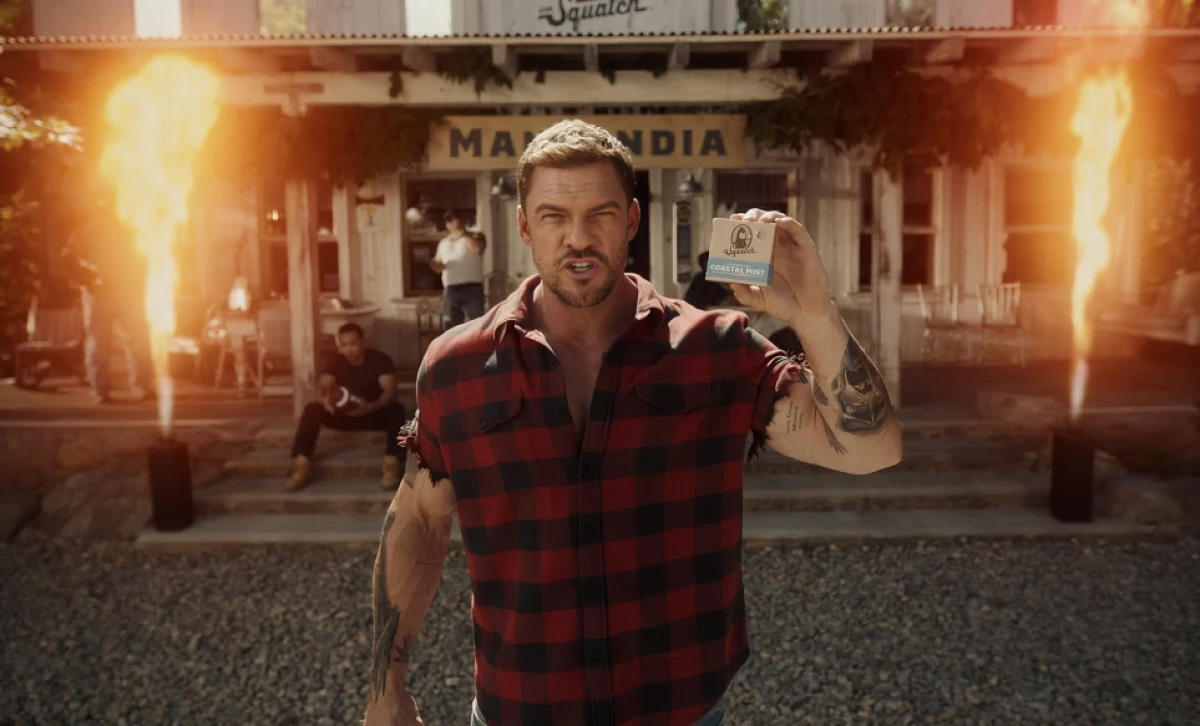
Alan Ritchson, star of Reacher and Smallville, takes on the role of “Yes Man-in-Chief” in a series of U.S. ads.
He guides viewers through the rough-hewn world with scenes of shredding guitar solos, splitting logs with bare hands, and celebrating everyday grit.
Each spot ends with the rallying cry: “Yes, You Man!”
International spots spotlight UFC fighter Paddy “The Baddy” Pimblett in the U.K. and Australian rugby favorite Nick “Honey Badger” Cummins.
NFL quarterback Justin Herbert also joins the global lineup, giving the campaign credibility across both entertainment and sport.
Why “Manlandia” Exists
John Ludeke, Dr. Squatch’s marketing lead, said the brand is about helping men feel confident with products made from natural ingredients.
“Manlandia is the next chapter in that story: a creative platform that deepens our emotional connection with consumers and creates a place where men can unapologetically be themselves..."
On LinkedIn, he linked the campaign to pressures men face around mental health, work, and relationships.
“We wanted to deliver a campaign that gave men a world in which they can feel free to be their wild, natural, manly selves… a world that empowers them to live happier and healthier lives.”
Directed by Kyle Beiermeister through Echobend Pictures, the U.S. spots are complemented by work from Small World in the U.K.
Riding Momentum
The launch comes only months after Dr. Squatch drew headlines for its Sydney Sweeney “bathwater soap” stunt.
The giveaway pulled in more than one million entries in less than a week.
That mix of humor and cultural timing has helped the brand stand out in the crowded personal care space and paved the way for its June acquisition by Unilever.
Dr. Squatch now generates more than $400 million in annual sales across North America and Europe, as previously reported by DesignRush.
Its viral, social-first campaigns have built a loyal following among Gen Z and millennial men, while its direct-to-consumer and retail channels give it reach well beyond niche appeal.
Unilever has signaled that Dr. Squatch fits into a strategy focused on high-growth, culturally relevant personal care brands.
The company plans to direct 50% of its media budget to social platforms.
𝟭𝟬𝟬 𝘆𝗲𝗮𝗿 𝗼𝗹𝗱 𝗨𝗻𝗶𝗹𝗲𝘃𝗲𝗿 𝗶𝘀 𝘁𝗿𝘆𝗶𝗻𝗴 𝘁𝗼 𝗿𝗲𝘃𝗲𝗿𝘀𝗲 𝗶𝘁𝘀 𝗮𝗴𝗶𝗻𝗴 𝗯𝘆 𝗮𝗰𝗾𝘂𝗶𝗿𝗶𝗻𝗴 𝗻𝗲𝘄 𝗗𝗧𝗖 𝗯𝗿𝗮𝗻𝗱𝘀.
— Piyu (@PiyuduttaPiyu) July 1, 2025
Unilever is paying USD1.5 billion for its acquisition of Dr Squatch.
It's the same brand that went viral recently for launching… pic.twitter.com/kmqB4GBt50
It will also expand influencer partnerships 20-fold, moves that align with Dr. Squatch’s irreverent, online-first marketing style.
With Unilever’s global resources behind it, the brand is now positioned to expand internationally without losing the offbeat identity that fueled its rise.
Our Take: Can Humor Build Staying Power?
I think so.
Dr. Squatch has turned comedy into a brand language that resonates with men who want personal care without losing personality.
As a reporter, I see Manlandia as a step up from quick-hit viral stunts into something more durable: a branded world that can grow with each campaign.
If it connects, the effort could allow Dr. Squatch to hold onto its challenger identity while scaling under Unilever’s reach.
For brand leaders, the lesson is that comedy creates loyalty when it grows into a consistent universe rather than a one-off gag.
For another campaign that mixes humor, celebrity, and brand identity, see how Sonic teamed up with Terry Crews for its first NIL push.
From soap to satire, these firms build campaigns that feel like entertainment—and deliver at checkout.