
Cologuard x John Stamos and Jodie Sweetin: Key Findings
- Abbott reunited the "Full House" stars to promote Cologuard's colorectal cancer screening.
- The campaign uses a sitcom-style skit spoofing "the talk," running across social platforms to lower resistance to screening conversations.
- Colon cancer is the leading cancer killer of people under 50, giving the 45+ screening message real urgency.
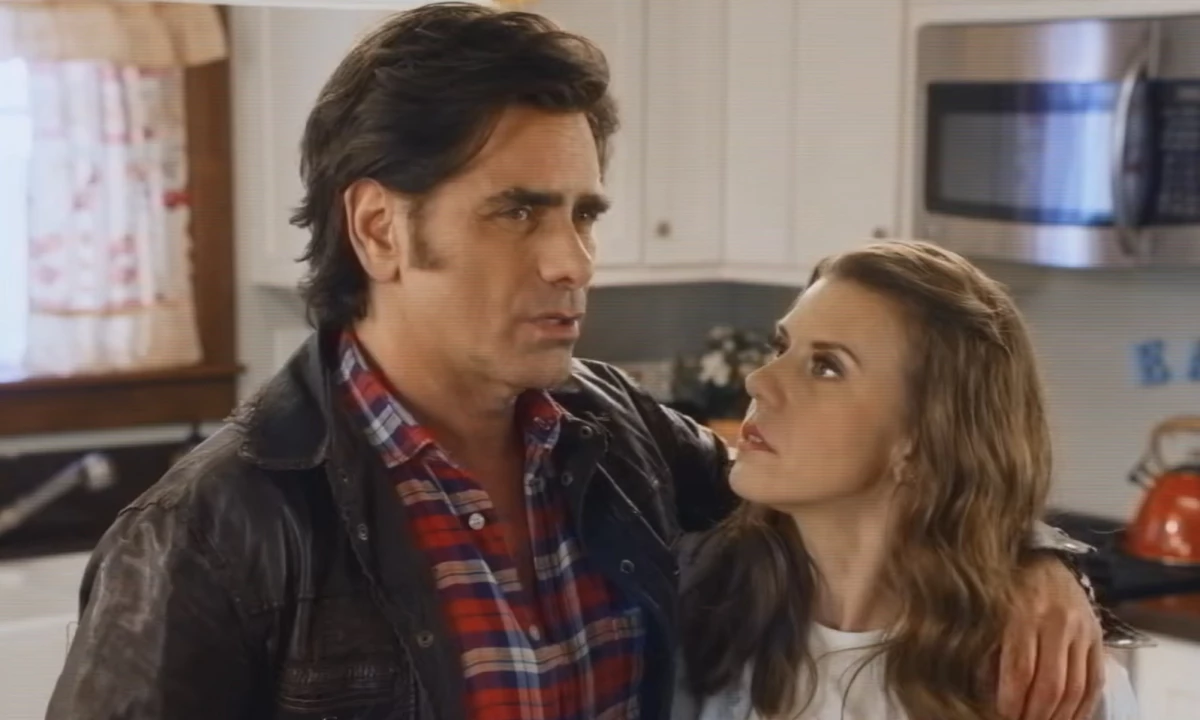
Medical device company Abbott is reuniting '90s legends John Stamos and Jodie Sweetin, the uncle-niece duo from the popular sitcom "Full House," for a serious chat.
"The(Second)Talk" promotes its Cologuard test, which is FDA-approved and noninvasive.
It is prescribed by a healthcare provider and can be shipped directly to a patient's home.
The initiative runs across social platforms, aimed at adults 45 and older, the age at which colorectal cancer screening is recommended.
Getting people to act on preventive health advice is notoriously difficult, and this is exactly where nostalgia marketing earns its place in this campaign.
'90s Nostalgia as a Creative Device
"Full House" ran from 1987 to 1995 and remains one of the most recognizable ensemble sitcoms of its era, with Stamos and Sweetin among its most recalled cast members.
Abbott is using this recognition to make a difficult topic like colon cancer screening feel familiar and approachable.
The sitcom framing signals warmth and humor to lower resistance, and it positions the conversation as something a trusted family figure initiates.
This is exactly the dynamic Cologuard wants to create between patients and their healthcare providers.
The approach also fits a pattern that has been gaining momentum in advertising.
For instance, Dunkin' ran "Good Will Dunkin'," a fictional lost pilot set in 1995 starring Ben Affleck, Jennifer Aniston, Matt LeBlanc, and Jason Alexander.
The spot drew on the collective memory of an entire generation of sitcom viewers and generated significant conversation.
This is just one example showing how '90s nostalgia continues to drive mass attention across demographics.
Celebrity Partnerships for Cancer Screening Awareness
The choice of Stamos and Sweetin is specific in a way that's helpful for the healthcare marketing field.
Stamos said he has used the Cologuard test himself, which gives his endorsement real credibility.
Sweetin, who's turning 45 next year, calls her involvement "proactive planning."
Together, the two cover both the action-ready and the not-yet-engaged segments of the target demographic.
Jeremy Truxal, vice president of marketing for screening at Abbott, said the goal is to remind people that screening isn't difficult to complete.
"We've all had awkward conversations with our loved ones. It's time to lean in on conversations about colorectal cancer because skipping or delaying screening can have serious consequences," he explained in a statement.
"Our goal with this campaign is to remind people that screening can be simple and accessible — and that taking this step is important."
Colorectal cancer has a 91% survival rate when detected early, which makes the campaign's underlying message as important as healthcare advertising gets.
The campaign offers a few principles that apply beyond the main message:
- Use nostalgia to lower audience resistance: Familiar faces from a beloved era create warmth before the product message lands.
- Cast talent with a genuine connection to the product: Stamos using Cologuard personally shifts the dynamic from endorsement to recommendation.
- Split your talent across audience mindsets: Stamos speaks to people ready to act; Sweetin speaks to people not yet thinking about it.
Healthcare brands have historically struggled to make prevention campaigns feel urgent without tipping into fear, and this campaign finds a way to do both at the same time.
Our Take: Does Nostalgia Work for Healthcare?
We think it does here, and the casting has added a special touch to an otherwise unappealing topic.
"Full House," which focused on a father raising his three daughters after his wife's passing, was built around conversations that felt uncomfortable or complicated.
This makes Stamos and Sweetin an excellent fit for a campaign about something today's adults don't like talking about.
The risk with nostalgia-led campaigns is always that the emotional recall can sometimes overshadow the message.
However, this one keeps the product claim clear throughout the spot and gives the humor somewhere to land.
Healthcare brands driving behavior change through campaigns need agencies that understand how to balance emotional resonance with clear product messaging.
Take a look at the top healthcare marketing agencies in our directory.