
It’s no secret that videos are the preferred format for content consumption across demographics.
That’s why many brands, agencies, and individual content creators are using AI video editing tools to speed up production and reduce the amount of manual work involved.
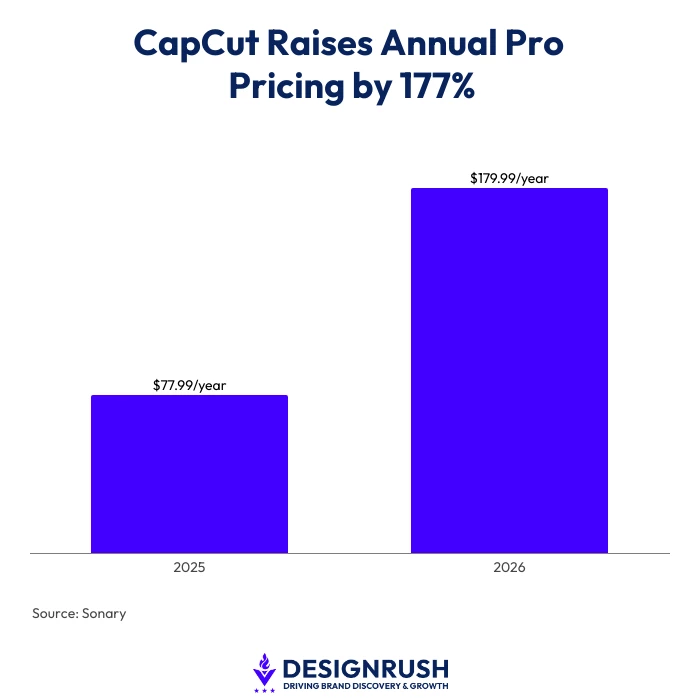
However, reports have shown that CapCut, a leading video editing tool, announced a price hike for its annual Pro-tier subscription, going from $77.99 to $179.99, representing a 177% increase.
This saw creators and small business owners flood Reddit, Threads, and X to vent their frustration, with many questioning whether the platform still made financial sense for them.
For businesses producing content every day, price increases like this pose problems.
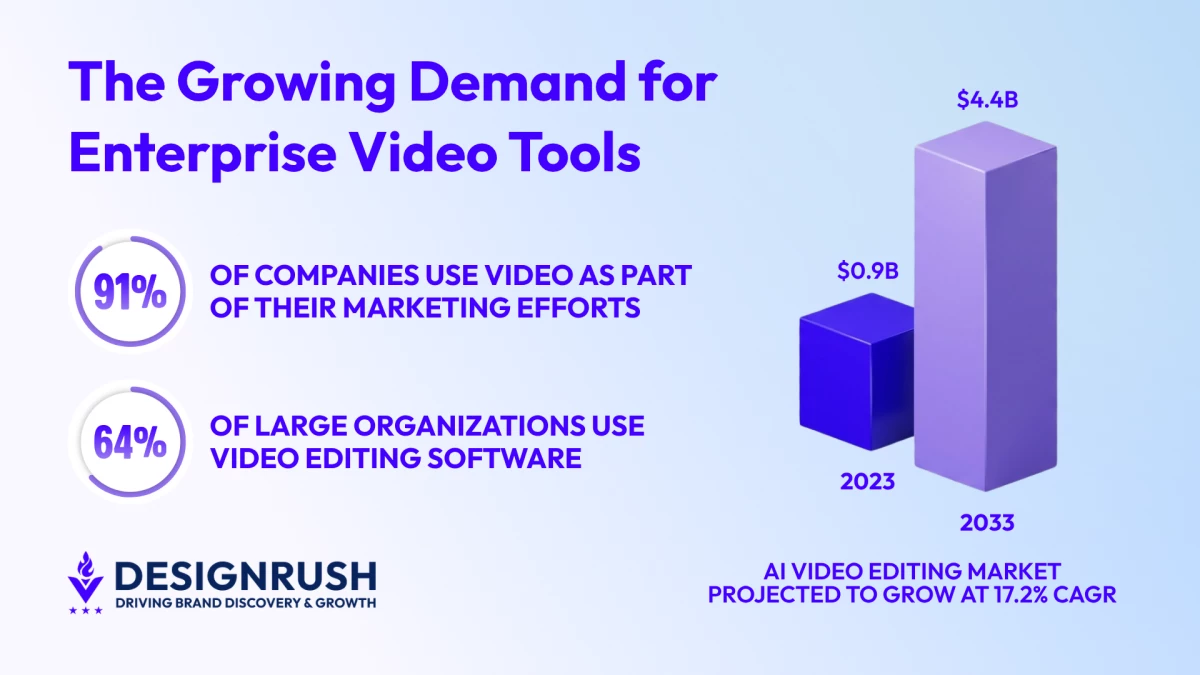
According to Wyzowl, 91% of companies now use video as part of their marketing efforts, with brands producing a constant flow of content across social media, advertising, training, and internal communications.
At the same time, video editing platforms have become part of the machinery behind marketing, communications, training, and internal operations.
That’s why companies like Descript are putting more focus on collaboration, workflow management, and scalable production systems as content workloads continue expanding across organizations.
The company’s Affiliate and Influencer Growth Marketing Manager, Kevin Sloan, explains that businesses are realizing that the software behind their content operation matters just as much as the content itself.
“Video has become central to how businesses communicate both internally and externally. Teams need tools that support collaboration and growth without adding unnecessary complexity,” Sloan says.
Descript for Enterprise helps teams scale video, audio, and transcription workflows without slowing production down:
Why Marketing Teams Need More Than Basic Editing Apps
Marketing teams are producing more video than ever. Social clips, product explainers, training content, paid ads. The output expectations keep climbing.
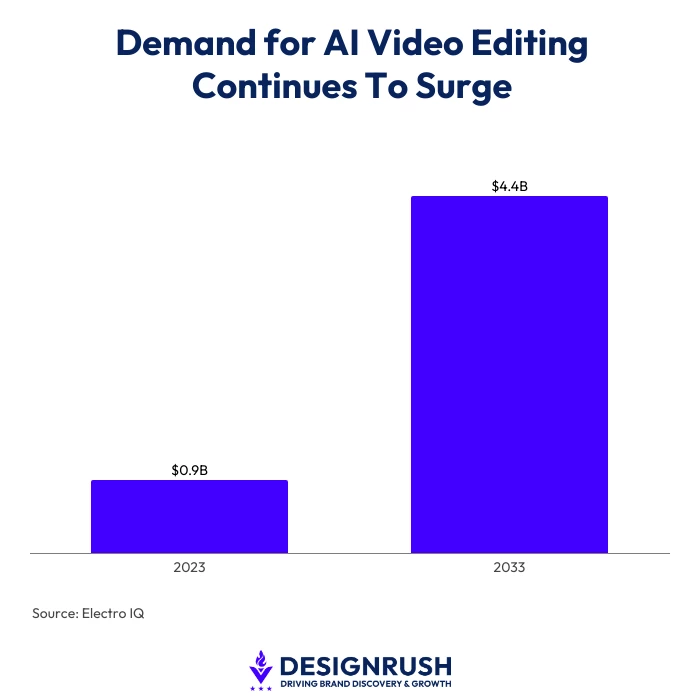
That appetite is fueling serious growth in AI video editing.
Industry estimates from Electro IQ put the market at around $0.9 billion in 2023, with projections pointing to nearly $4.4 billion by 2033.
A big part of that comes down to the rise of short-form video, which makes up more than 80% of what people watch.
Brands are expected to stay active across TikTok, Instagram Reels, YouTube Shorts and LinkedIn while also producing content for onboarding, recruiting, sales and customer education.
Marketing teams are under growing pressure to produce more video across social media, advertising, training, recruiting, and customer education without slowing production down.
“For many teams, the challenge isn’t just creating content quickly anymore, especially as a campaign video might move through five different people before it ever gets published,” Sloan adds.
“And once feedback loops start stacking up across departments, even small delays can throw entire production schedules off balance.”
That’s often when teams realize the tools that once helped them move faster are starting to hold them back.
Descript shows how easy it is for marketers to take raw footage and turn it into a polished, professional video:
Why Businesses Are Reassessing AI Video Platforms
Video production is spreading across large organizations, which now account for more than 64% of the video editing software market, according to Mordor Intelligence.
But as content operations grow, managing production across teams becomes more complicated.
Teams need shared workspaces, organized assets, version tracking, approval systems, and clearer visibility into who’s editing what.
“Small workflow problems become expensive once production spreads across departments,” Sloan explains.
“That’s why more businesses are paying attention to automation and AI-assisted editing tools that can reduce manual production work and help teams keep pace as content demands grow.”
Descript has focused heavily on collaborative editing, transcript-based workflows, and AI tools designed to reduce manual production work.
And for businesses that produce content daily, those features can matter more than viral templates or trend-driven effects.
With AI video tools flooding the market, Descript breaks down which models are actually useful for marketers:
What Brands Should Look For in AI Video Editing Software
A lot of businesses built important parts of their content operations around software originally designed for creators.
But now they’re taking a harder look at reliability, pricing, and workflow support before committing to tools long term.
As content demands continue growing across organizations, businesses should look for AI video editing tools that can support collaboration, organization, and production at scale:
- Approval systems that don’t slow production
- Shared workspaces for marketing, legal, and brand teams
- AI tools that reduce repetitive editing tasks
- Searchable content libraries and version tracking
- Pricing that remains manageable as output grows
- Cloud-based access for distributed teams
“The brands handling video production best right now are usually the ones that built systems their teams can actually sustain once the workload starts piling up,” Sloan concludes.
The challenge for brands right now isn’t the ability to just create more content, but keeping production running smoothly as deadlines tighten, approvals stack up, and more teams become involved in the process.
For marketers, the bigger question they need to ask themselves now is whether the tools that once helped them move faster are starting to create more friction than they solve.