
Burger King's Oscars Campaign: Key Findings
- The chain aired a 90-second ad at the 98th Academy Awards, retiring its King mascot and launching a new brand platform.
- The effort is backed by its "Reclaim the Flame" investment, which has been in the works for the last four years.
- President Tom Curtis narrates the spot after sharing his phone number publicly in February and appearing in a response video to McDonald's viral CEO video.
Burger King used Sunday night's Academy Awards to air a 90-second ad that openly admitted years of falling short on food, service, and restaurant quality.
The spot, developed by creative agency BarkleyOKRP, launches a new brand platform called "There's a New King and It's You."
It formally retires the chain's King mascot, which has been absent from the chain's ads for several years now.
Burger King U.S. and Canada President Tom Curtis narrates the commercial.
He lists complaints that customers had shared with him directly, including "old restaurants, slow service, and simple mistakes," before walking through how the brand has responded.
The chain's $700 million "Reclaim the Flame" plan spent four years fixing the business before Burger King put any of it in front of an audience.
And "There's a New King and It's You" is how it's telling this story.
A Campaign That Admitted the Problem
The new platform was designed to do something that's seldom seen in fast-food ads, which is to acknowledge a period of decline and ask customers to give the brand another look.
Burger King CMO Joel Yashinsky worked with BarkleyOKRP to translate years of operational investment into a brand narrative that could be shared publicly.
The Oscars spot was the result, and Yashinsky broke down the strategy in an interview with Restaurant Business:
"We knew we had to at least acknowledge that we know we've made some errors in our ways, and that we needed to change those and make a positive impact on everything we do," he explained.
"The goal of the ad is to say there's something going on at Burger King, and I need to see what that is. And I think the ad accomplishes that in a way that's very truthful and honest."
The ad runs in three acts covering the brand's glory years, the period it lost its way, and what it has done since.
Yashinsky also highlighted why the Oscars placement was an intentional and timely decision:
"The 90-second ad is almost like a documentary, which is why we thought debuting it during the Oscars would be a good opportunity to bring our story forward," he told Nation's Restaurant News.
Formally retiring the King mascot is also part of the fast-food giant's transparency goal.
Introduced in 2003, it hadn't been seen in any of the chain's marketing for years.
Yashinsky added that it had hurt the family business during the decade the King ran, turning off a meaningful chunk of customers.
Dropping the mascot was a clean break, and one that gave Burger King's brand positioning somewhere new to go.
Curtis' Extended Cultural Moment
Burger King's latest spot follows a brand effort from last month, when Curtis shared his personal phone number on February 17, inviting customers to send feedback directly.
He received 30,000 messages and personally replied to 2,000 of them.
By February 26, Burger King had already moved on some of the feedback, including an update to the Whopper bun and a new squish-proof box for the sandwich.
The Oscars' timing also got an unexpected boost in early March when McDonald's CEO Chris Kempczinski went viral after struggling to eat his own burger.
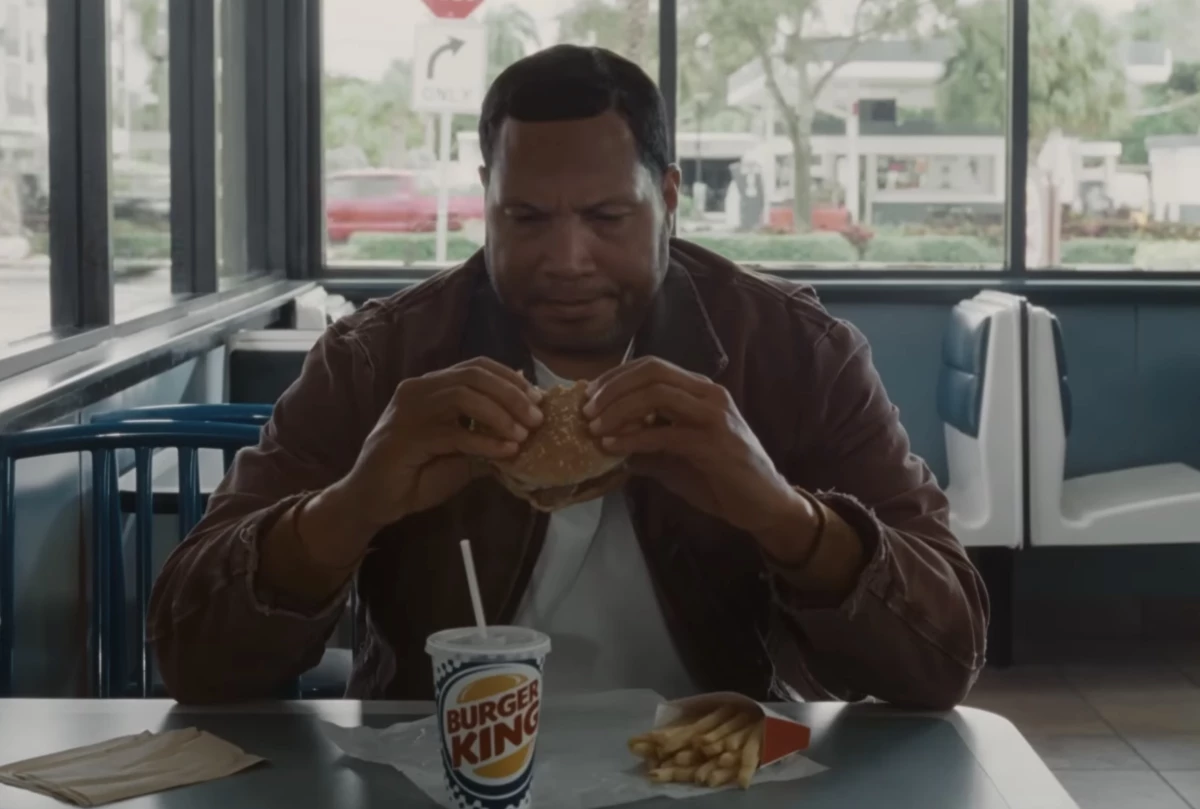
Burger King responded with a clip of Curtis eating a Whopper with real enthusiasm.
Following its recent moves, the brand's satisfaction ranking has moved from 10th to 6th among quick-service restaurants since 2020, per Circana figures shared by the company.
Yashinsky said "There's a New King and It's You" will run through March Madness and is intended to carry the platform through 2026 and into 2027.
A brand that can show improving sales and a rising satisfaction ranking has earned the right to go public with its recovery story.
With more than 6,600 U.S. locations to bring up to standard, the "Reclaim the Flame" investment was never going to be a quick fix.
There are a few things worth noting for companies thinking about long-term brand reputation recovery:
- Direct access strengthens credibility. Visible leadership engagement can rebuild trust quickly.
- Operational fixes must come before storytelling. Real improvements give campaigns real substance.
- Unplanned cultural moments can amplify campaigns. Quick responses often extend reach outside paid media.
Recovery campaigns carry more weight when operational change is already underway, and there's actually something new to announce.
Our Take: Is Honesty Enough to Win Back Customers?
We think the ad works because it doesn't oversell and tells it how it is.
Curtis names the failures without dressing them up, and the improvements are presented as a work in progress.
Loyal customers get to feel like they were part of the recovery, while those who have left get a reason to look again.
Either way, the Oscars slot and the Whopper TikTok have given Burger King a genuine run of attention.
Consistent execution across franchise locations will determine whether the effort actually improves the brand’s reputation and, of course, sales.
Brands managing long-term reputation recovery need agencies with experience in brand strategy and consumer trust rebuilding.
Explore the top branding agencies in our directory.