
Ben & Jerry's Lost Jerry: Key Points
- Jerry Greenfield resigns as brand ambassador, saying Ben & Jerry’s lost its independent voice under Unilever.
- Unilever’s ice cream sales rose 3.7% in 2024, but founder tensions spotlight the risks of corporate control.
- Brands and agencies need to remember that founder-led equity is fragile and must be carefully protected.
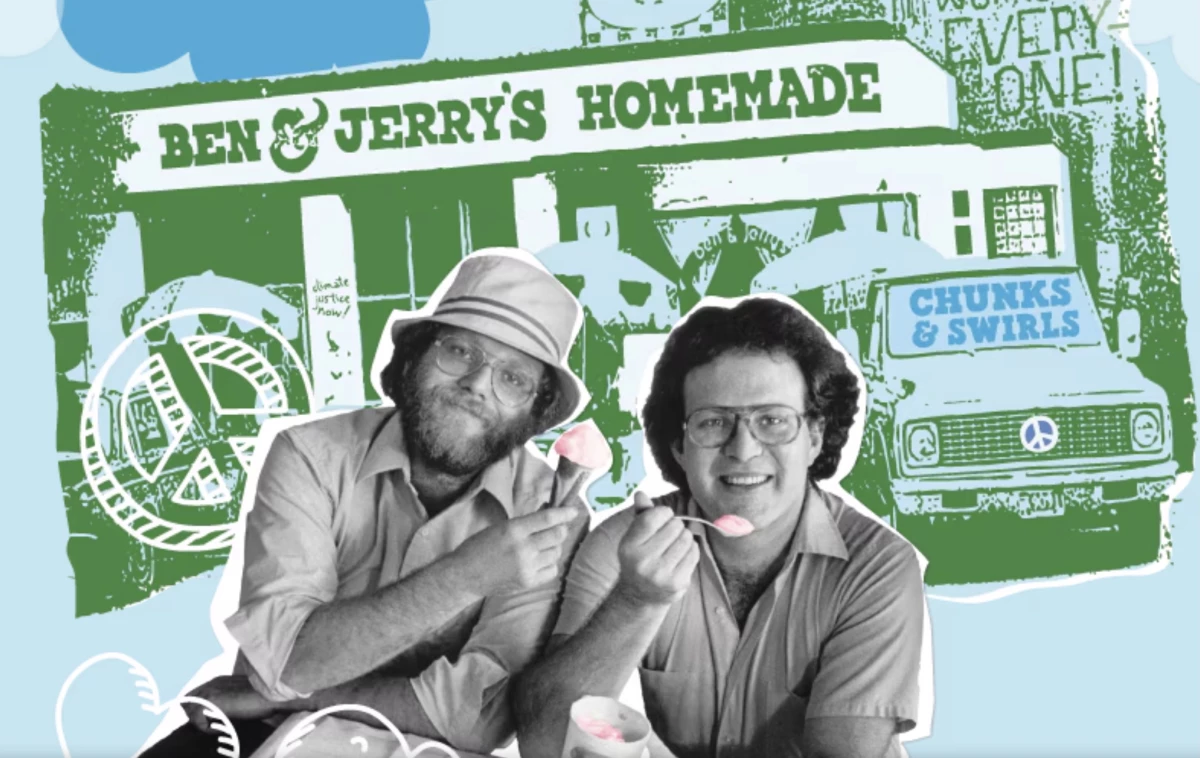
Co-founder Jerry Greenfield is leaving Ben & Jerry’s after nearly five decades.
In a statement shared by his longtime partner Ben Cohen, he said the company had been “silenced” under Unilever, which has owned the brand since 2000.
Greenfield's resignation leaves Cohen as the only founder still connected to the business.
Cohen says he will stay on and keep pressing for greater independence with Greenfield's support from outside.
“Jerry has a really big heart, and this conflict with Unilever was really kind of tearing him apart. So he felt like he had no choice to resign,” Cohen told CNN in an interview.
“Jerry’s kind of sad that it’s come to this, but part of him is feeling a sense of relief that he’s no longer in this intense conflict.”
Earlier this year, the duo even considered buying back the brand from Unilever.
Greenfield's abrupt exit comes as Unilever readies a spin-off of its ice cream arm, which will become a separate public company later this year.
The timing is difficult. Ben & Jerry’s built its reputation on rich flavors, as well as on a willingness to speak out.
Long before most companies talked about “brand purpose,” Ben & Jerry’s already was linking its name to issues like climate change, LGBTQ rights, and racial justice.
Losing one of its namesakes makes the brand’s identity more fragile, since the credibility that came from both founders is now cut in half.
A Brand at a Crossroads
The story began in 1978, when the two friends scraped together $12,000 and opened a shop in a converted gas station in Burlington, Vermont.
The big chunks of candy and cookie dough set their pints apart, but the real distinction came from mixing ice cream with activism.
This helped turn a local scoop shop into a billion-dollar global business.
Performance has been resilient, and Unilever’s 2024 earnings showed its ice cream division, which includes Ben & Jerry’s, grew sales by 3.7% from the year before.
The brand’s staying power lies in its identity as much as its product.
Without Greenfield, the brand is now facing a tougher challenge.
Comment
byu/bloomberg from discussion
inpolitics
Rivals like Häagen-Dazs and Halo Top compete on flavor or health, while Ben & Jerry’s has always relied on its brand values.
His exit makes this authenticity harder to convey, and creative agencies will play a key role in keeping the brand’s mission visible.
The Work of Stabilizing a Brand in Transition
Greenfield’s exit has left Ben & Jerry’s in a vulnerable spot at a time when its brand identity is already under strain.
Brand strategy agencies can help steady the company, and others that may face the loss of a founder, by keeping consumer trust from slipping further:
- Rebuild the story. Help connect the founders’ mission to new campaigns so the values still feel authentic.
- Put a new face forward. Credible spokespeople, partners, or even long-time employees can help carry the message when a founder is no longer present.
- Show values through actions. Highlighting community programs, partnerships, and product initiatives proves the mission continues even without the founder.
Founder or executive departures often leave brands exposed.
Agencies that move quickly with clear storytelling and visible proof points can give consumers confidence that their values still align with the brand.
Our Take: Can Ben & Jerry’s Stay Authentic Without Jerry?
With one half of its name gone, Ben & Jerry's risks being seen as just another Unilever brand.
And this is why I believe external agencies will play a critical role in whether that happens.
Unilever is too close to the issue, and I think the Ben & Jerry's brand could benefit a lot from a more objective perspective.
This could help reconcile the values that the founders stood for and the corporate results that Unilever wants.
Agencies now have to go beyond preserving the brand’s narrative.
Their role is to prove that Ben & Jerry’s values can still connect with consumers in a meaningful way.
Greenfield’s departure leaves the brand more vulnerable.
And I really think it will be up to agencies to steady Ben & Jerry's identity and show that the mission can continue even without both founders present.
In other news, rival ice cream brand Häagen-Dazs used the popularity of Netflix's show "Emily in Paris" last year to launch limited-edition flavors.