
B2B eCommerce Adoption: Key Points
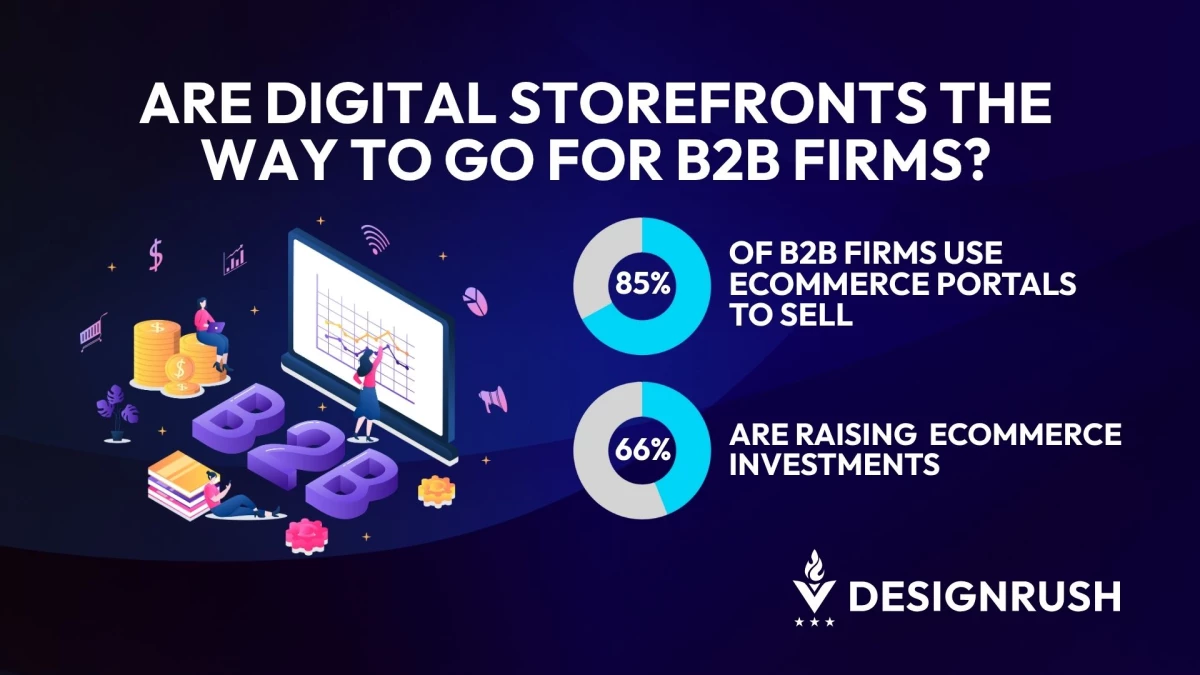
- 85% of B2B firms now use e-commerce portals, with 66% raising investments in digital storefronts for growth.
- Magento remains the top platform for handling large catalogs, complex pricing, and seamless ERP and CRM integration.
- Scalable hyperlocal systems drive personalization and efficiency, preventing brand fragmentation and operational overload.
B2B ecommerce has entered a new phase.
How? A September 2025 Sapio Research report reveals that 85% of B2B companies now run e-commerce portals, up from 68% last year.

However, the data signals more than rapid digital adoption.
It shows an industry learning to balance scale with personalization and operational control.
This is a challenge that Magento is uniquely built to handle, according to Bighorn Web Solutions.
“The key to making hyperlocal work at scale is building infrastructure that balances personalization with efficiency,” Bighorn CEO Caleb Bradley wrote in a blog post.
“Your customers get the relevance they want, your brand stays consistent, and your team doesn’t drown in manual work.”
Among the 400 firms surveyed across the U.S. and Europe, 67% are increasing investment in e-commerce portals.
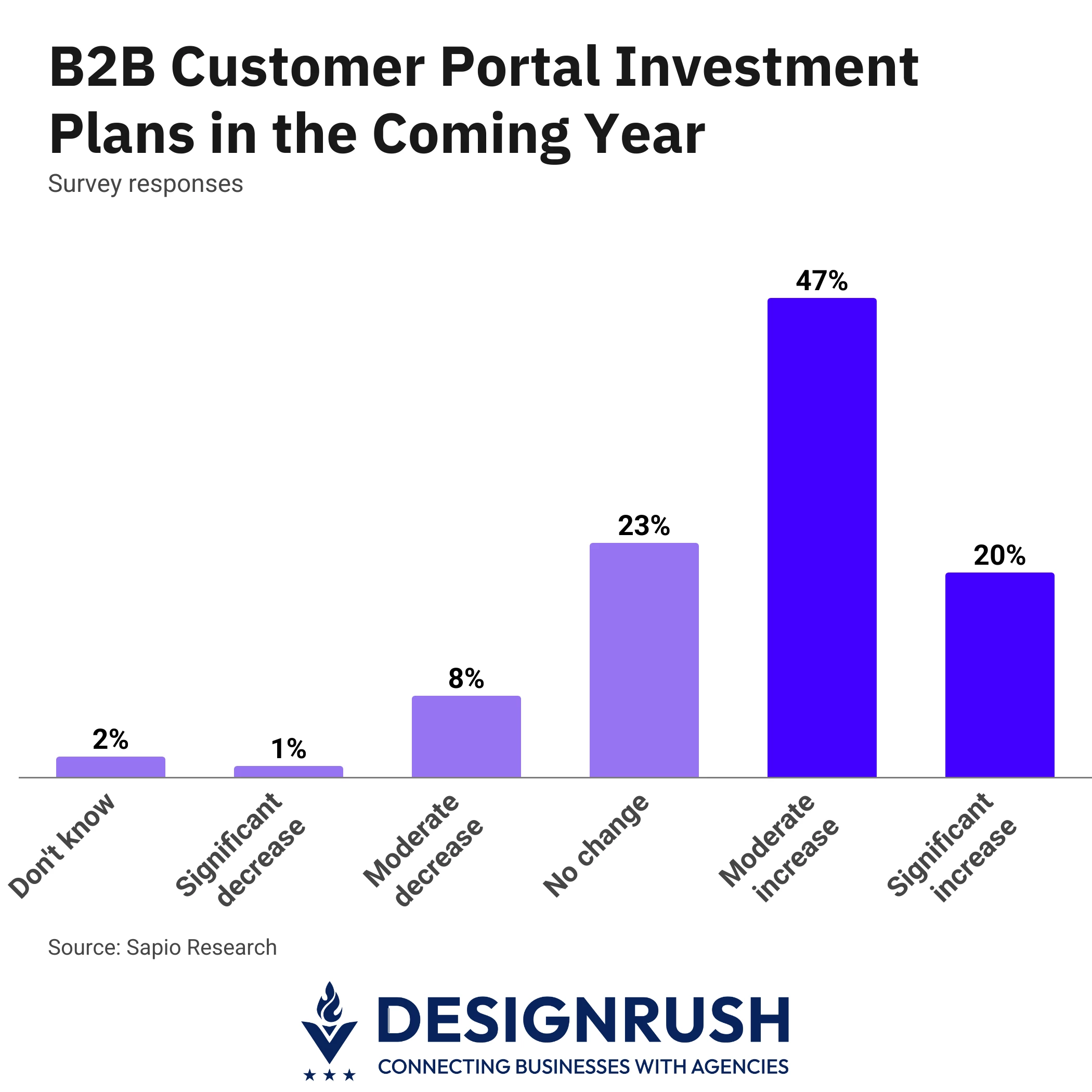 Meanwhile, 42% expect revenue growth to be tied directly to digital storefront adoption.
With customer expectations rising, B2B e-commerce becomes both a convenience and a necessity.
Building Blocks of Scalable B2B Ecommerce
1. Centralized Data and Smart Segmentation
The foundation of scalable e-commerce lies in connected data.
Bighorn emphasizes that customer location, purchasing behavior, and delivery preferences must be centralized to enable automation and consistency.
Magento’s open architecture allows data to flow between ERP, CRM, and fulfillment systems, keeping every touchpoint aligned.
This structure helps firms reduce costly manual work while supporting hyperlocal experiences, something 75% of B2B firms already deliver online.
2. Flexible Site Architecture for Regional Relevance
Hyperlocal e-commerce has become a differentiator.
“People prefer buying from brands that feel like they understand their context,” said Bradley.
Magento’s dynamic content tools help companies personalize storefronts by geography without spinning up separate websites.
Whether that involves adjusting shipping windows, regional promotions, or inventory visibility.
The platform’s modular nature prevents the fragmentation that plagues less flexible systems.
3. Automation That Connects Marketing to Operations
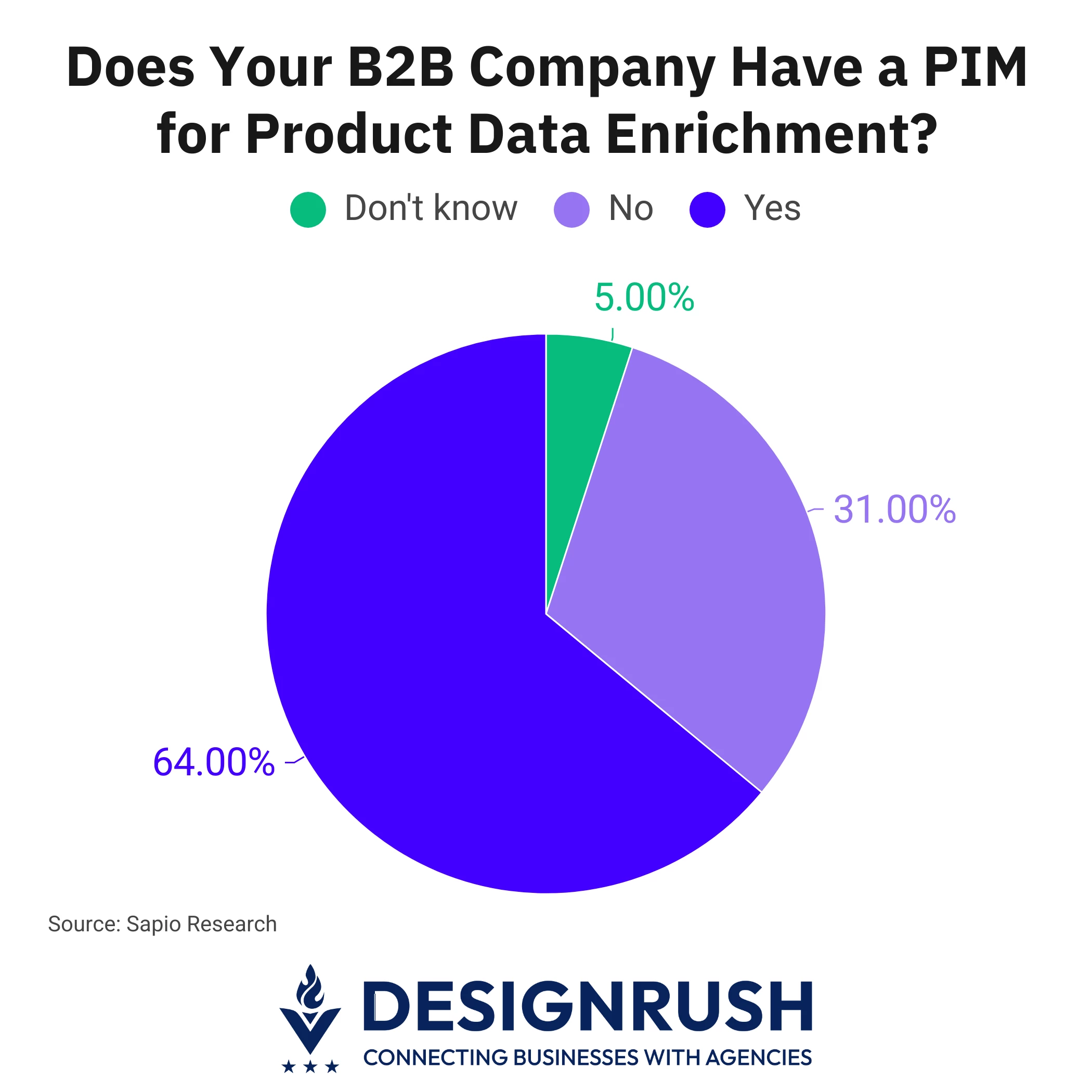
According to data from Sapio, 64% of B2B organizations now use Product Information Management (PIM) systems.
 However, many still struggle to tie marketing promises to operational capability.
Bighorn stresses that true scalability comes from automation.
Magento enables localized promotions, pricing rules, and fulfillment logic to run automatically, ensuring that what customers see online matches what the business can actually deliver.
“Hyperlocal isn’t just a marketing challenge, it’s an operational one,” said Bradley.
“Without the right systems, automation, and brand alignment, what starts as a customer experience strategy can turn into inefficiency and inconsistency that hurts more than it helps.”
What This Means for Marketers
Most e-commerce headaches come from bad architecture.
Teams keep piling new tools on top of fragile setups until something breaks.
What Bighorn Web Solutions is arguing for is boring in the best way: clean data flow, automation that actually triggers when it should, and a site structure flexible enough to handle regional quirks without constant babysitting.
When that foundation is in place, the marketing part starts to make sense.
Personalization becomes a product of the system, and it’s not just a feature someone has to remember to update.
Customers feel like the brand understands them because the workflow quietly does its job in the background.
Magento works here because it gives structure to chaos.
The tech keeps the details consistent so the humans can focus on strategy instead of patching the same problem every quarter.
Ultimately, the lesson here is that good e-commerce doesn’t shout.
It runs clean, quietly, and on time.