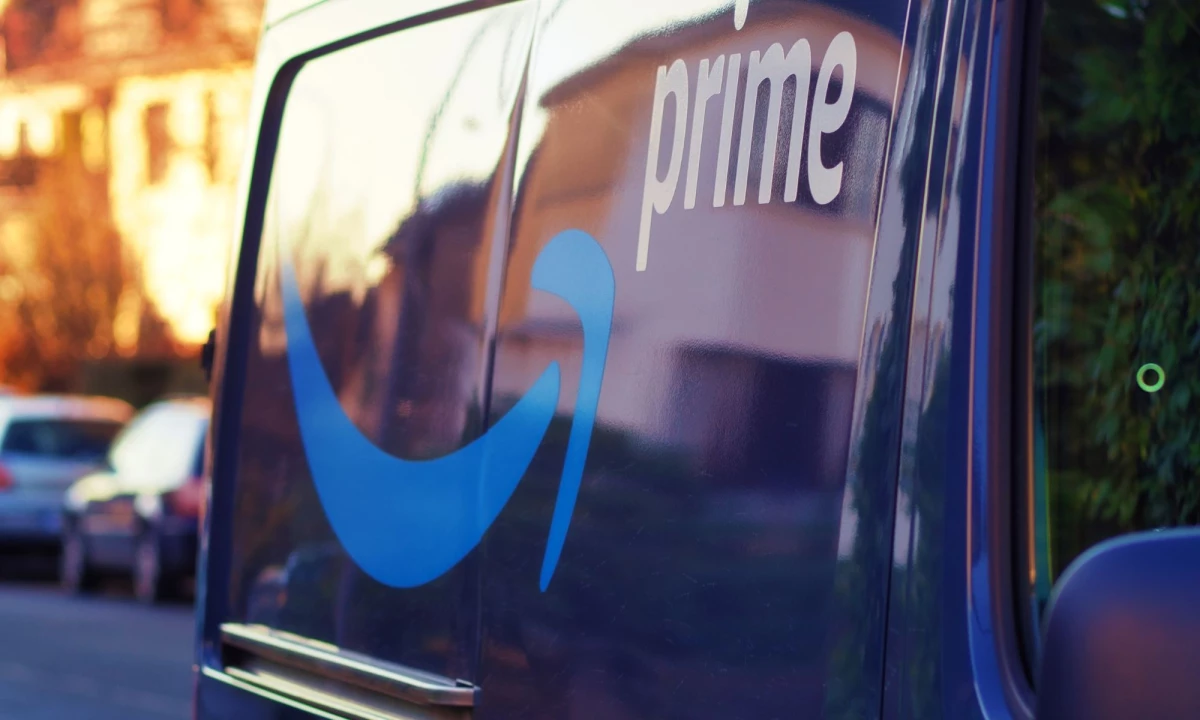

Millions of Amazon Prime members still have a narrow window to claim refunds from the Federal Trade Commission's $2.5 billion settlement.
Eligible consumers can receive refunds of up to $51 before the filing deadline closes on July 27.
The case stems from allegations that Amazon used deceptive enrollment tactics and made Prime subscriptions difficult to cancel.
It led to one of the largest consumer redress programs in its history.
Under the settlement, consumers who signed up through "challenged enrollment flows" between June 23, 2019, and June 23, 2025, may qualify for refunds.
View this post on Instagram
Automatic refunds were already distributed in late 2025 to those who used Prime benefits three times or fewer.
A second group must now submit a claim form to receive payment. This applies to customers who used between three and 10 benefits.
"This settlement definitely sends a message," Frank McKenna, chief innovation officer at Point Predictive, said in a statement.
"When the FTC can secure $2.5 billion from one of the world's most powerful companies, it essentially puts every other business on notice that these practices are no longer acceptable."
The refund process highlights how subscription design has become a growing regulatory focus as governments scrutinize enrollment and cancellation practices.
How the Amazon Prime Refund Process Works
Consumers who received an email or mailed claim notice from Amazon in January 2026 should review it carefully before submitting a claim.
The FTC already warned consumers about scams tied to the refund program.
The agency says it's not contacting people directly about payments, and neither the FTC nor Amazon will ever ask consumers to pay a fee to receive a refund.
Key things to know about filing a claim:
- Claims must be submitted by July 27, 2026.
- Refunds are capped at $51 per eligible customer.
- Automatic payments were distributed in November and December 2025.
- Customers who used 3 to 10 Prime benefits need to submit a claim form.
- Approved claims are expected to be paid in late 2026.
If the automatic payments and approved claims do not exhaust the $2.5-billion fund, additional refunds will be issued to groups of affected Prime members.
Comment
by u/Important-Bedroom-32 from discussion
in ClassActionSettlement
The next round would start with consumers who signed up through a challenged enrollment flow, used four Prime benefits within a year, and did not receive a refund.
It would then expand eligibility to customers who used five benefits, six benefits, and higher, continuing until the refund fund is depleted.
This means those who do not currently qualify could still receive compensation if the first phases fall short of the required payout amount.
As subscription scrutiny grows across industries, the Amazon case adds to a conversation about transparency in customer acquisition and retention practices.
The Cost of Subscription Friction
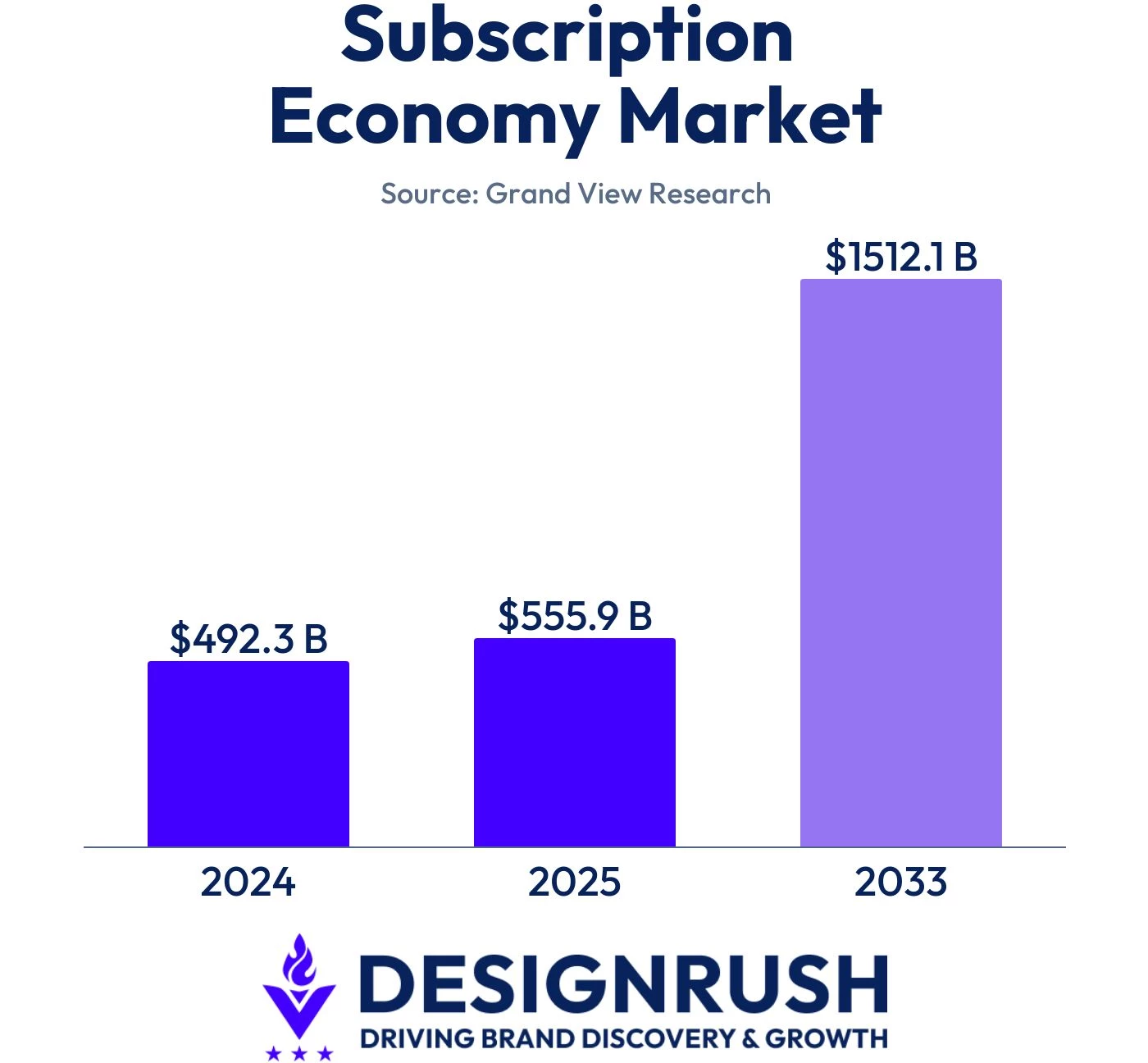
The global subscription economy was valued at roughly $492 billion in 2024 and is projected to exceed $1.5 trillion by 2033, according to Grand View Research.
At the same time, regulators are paying closer attention to how companies acquire and retain subscribers.
Research cited by subscription analysts found that 60.4% of consumers avoid subscriptions because they expect cancellation to be difficult.
This figure suggests that clarity can influence acquisition.
Amazon Prime's settlement reflects growing pressure on companies to simplify enrollment and cancellation experiences.
- Simplicity affects trust. Brands should make sign-up and cancellation processes equally accessible to reduce customer frustration and regulatory risk.
- Transparency influences conversion quality. Companies should clearly disclose pricing, renewal terms, and cancellation requirements.
- Regulation is changing subscription design. Businesses should review customer journeys regularly to ensure compliance and avoid costly lawsuits.
The companies best positioned for long-term growth may be those that treat cancellation as part of the customer experience.
Our Take: Could Subscription Design Become a Competitive Advantage?
We think that the most notable part of the settlement is the mandated subscription design changes.
Amazon must now present a clearer option for declining Prime and provide a cancellation process comparable to sign-up.
Comment
by u/Important-Bedroom-32 from discussion
in ClassActionSettlement
We could see more brands treat cancellation experiences as an important part of customer journeys.
This approach only works if companies can maintain subscription growth without relying on confusing interfaces or procedural barriers.
Long term, businesses that make subscriptions easy to join and easy to leave may earn stronger trust than competitors still optimizing around friction.
Subscription businesses face growing scrutiny over billing and cancellations.
We recently highlighted the best BPO companies helping subscription brands improve customer support and retention.
Need a customer journey that drives subscriptions without creating friction?
Explore these top UX design agencies that help brands improve conversion, retention, and compliance.