
AI and Human Creativity in eCommerce Key Findings:
- Combining AI tools with human oversight allows brands to produce full-funnel content faster without sacrificing brand voice, customer relevance, or performance.
- Brands that personalize content based on real data and clarify what makes them different are more likely to convert and retain customers.
- The Marketing Efficiency Ratio (MER) gives eCommerce leaders a clear, channel-agnostic view of which strategies are truly driving business growth.
Companies that excel at personalization generate 40% more revenue than average players, according to McKinsey’s Next in Personalization 2021 Report.
That kind of performance edge makes personalization a must-have for eCommerce brands facing crowded markets and fickle customer behavior.
But delivering personalized experiences at scale takes more than automation alone.
At Aetius, the team helps eCommerce brands navigate this balance through data-driven strategies and performance-focused execution.
I spoke with performance marketer Marko Cvijić, who recently presented at the Zagreb SEO Summit, about how combining AI-powered efficiency with human creativity enables brands to build full-funnel content strategies that drive real, measurable growth.

Who is Marko Cvijić?
Marko Cvijić is the founder of Aetius, a boutique agency specializing in data-driven strategies across SEO, AI-powered content, and paid media. He has delivered measurable growth for brands across Europe, the Middle East, Australia, and North America — from boosting organic revenue for Dexy Co and Obuća Metro, to supporting major players like Emirates Global Aluminium and the World Economic Forum.
- Blend AI and human creativity to build full-funnel content faster
- Leverage real-time data to personalize the entire customer journey
- Define clear brand positioning before scaling content or ads
- Track revenue results with the marketing efficiency ratio (MER)
- Solve strategic gaps before launching performance campaigns
- Get ready for the rise of AI-led shopping experiences
Combine Human Creativity With AI to Scale Full-Funnel Content
Efficient content production is essential, but it can’t come at the cost of quality or customer relevance.
That’s where combining AI-powered tools like large language models (LLMs) with human oversight becomes powerful.
AI accelerates ideation, SEO, and execution. Human creatives ensure the output reflects brand voice and real audience needs.
“The strategy focuses on creating compelling, customer-centric content that spans the full funnel — from grabbing attention at the awareness stage to driving purchases at the conversion stage,” Marko says.
“This helps brands scale their content efforts without sacrificing quality.”
With this hybrid model, brands can deliver high-impact content faster without sounding generic or off-brand.
Use Real Data to Personalize Every Stage of the Buyer Journey
Personalization isn’t optional. It’s how brands stand out, earn trust, and convert browsers into buyers.
“They expect content that’s not just relevant but feels personal and valuable at every touchpoint,” Marko says.
“Combining human insight with AI efficiency lets brands produce high-quality, tailored content at scale, which is critical for standing out.”
Without personalization, content quickly becomes forgettable.
But with real-time behavioral data, brands can match messaging to a buyer’s actual needs and intent, improving experience, boosting engagement, and driving conversions.
Clarify Your Positioning Before You Try to Scale
One of the biggest reasons eCommerce brands fail to convert is unclear or generic positioning.
Without a defined point of difference, your brand fades into the background, especially in saturated markets.
“Many brands struggle because they don’t see the bigger picture,” Marko explains. “They often lack a clear understanding of where they stand compared to competitors, which makes it tough to craft a winning strategy.”
“Another big issue is poor positioning. They fail to communicate what makes them unique or why customers should choose them,” he adds.
The fix?
Start with a competitive audit to see where your brand stands, then sharpen your messaging based on what makes you different.
Don’t launch paid campaigns until your positioning is locked. Otherwise, even your best content won’t convert.
Use MER to Track Real Business Impact
Clicks, impressions, and even lead volume might look impressive in a dashboard, but they don’t always reflect true performance.
For eCommerce leaders, the goal isn’t just visibility; it’s measurable revenue growth.
That’s why the Marketing Efficiency Ratio (MER) should be your north star.
MER shows how effectively your marketing spend translates into actual revenue across all channels.
Unlike vanity metrics, it offers a clear, outcome-driven view of how well your strategy is working.
“Executives should zero in on the Marketing Efficiency Ratio (MER) as their primary KPI,” Marko says. “MER measures how effectively their marketing spend translates into revenue, giving a clear, holistic view of campaign performance across all channels.”
Beyond MER, it’s also important to track how leads are moving through the funnel:
- Conversion rates signal whether you’re reaching the right audience with the right message.
- Customer lifetime value (CLV) and cart abandonment rates provide insight into long-term performance and areas to improve.
In short, if your marketing strategy is delivering real results, your MER and your revenue should prove it.
Fix the Right Problems Before You Execute
Jumping straight into execution without addressing foundational issues is one of the most common and costly mistakes eCommerce brands make.
Too often, teams launch performance campaigns before resolving deeper problems in positioning, strategy, or internal alignment.
This leads to wasted budget, weak results, and confusion about what’s not working.
Instead, it’s worth stepping back to understand what’s really limiting performance:
- Are you reaching the right audience with the right message?
- Is your value proposition clear and differentiated?
- Are internal teams aligned on shared goals?
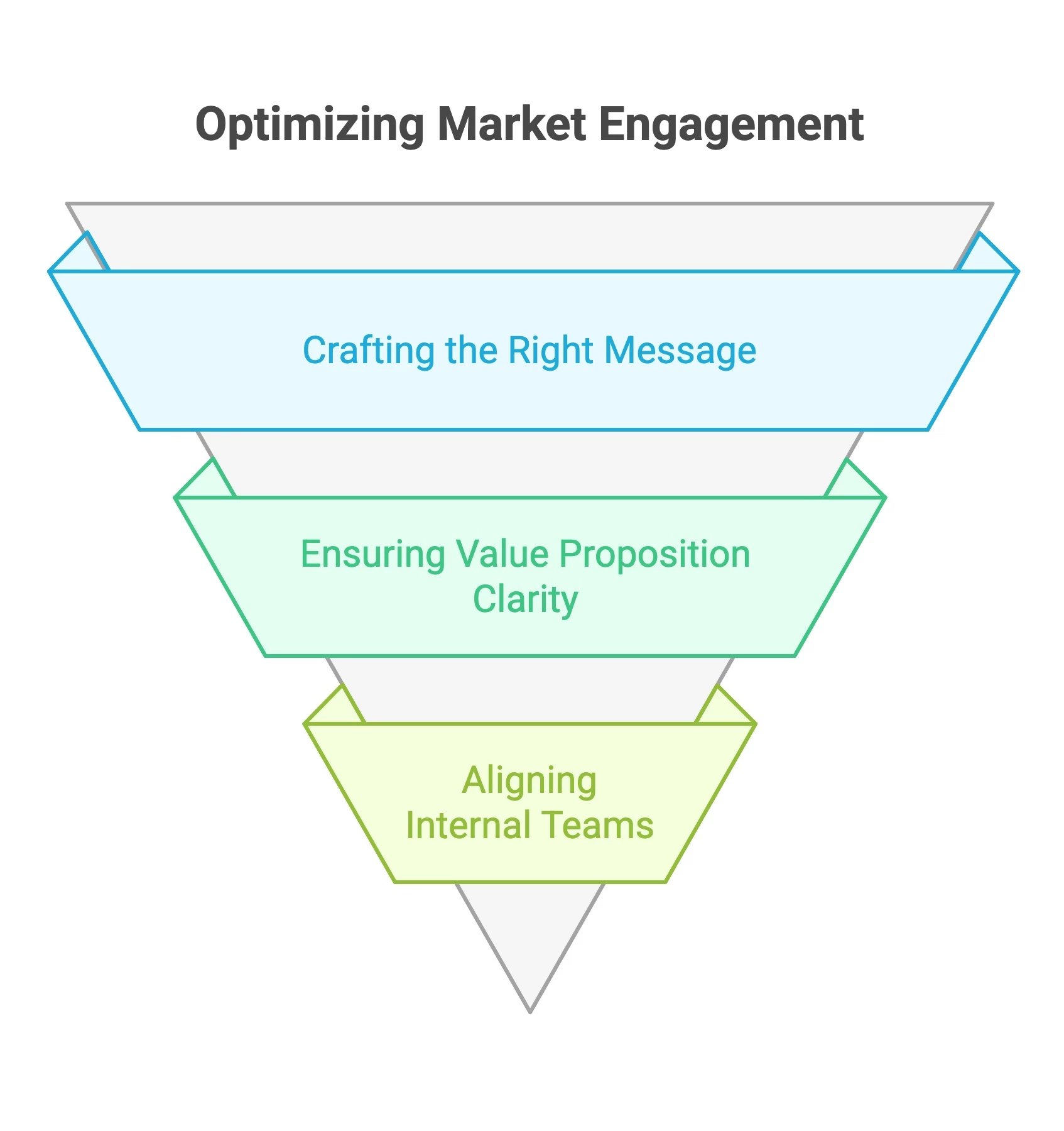
Conducting a strategic review of content, user behavior, messaging, and competitive benchmarks can reveal hidden blockers so that when you do execute, it’s with focus and impact.
Prepare for AI-Powered Commerce
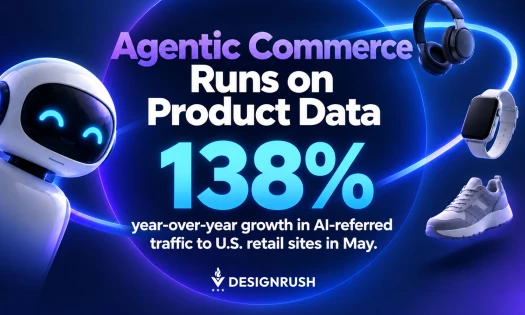
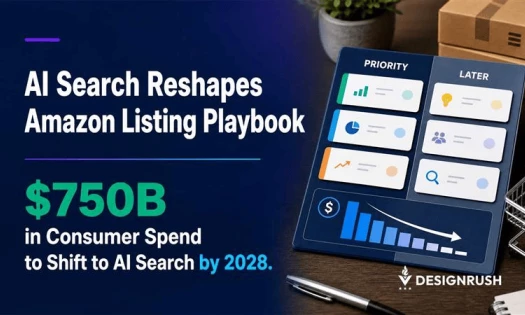
Shoppers are no longer just browsing websites. They’re asking AI search engines to find, compare, and recommend products across the web.
This shift is redefining how eCommerce brands are discovered and chosen.
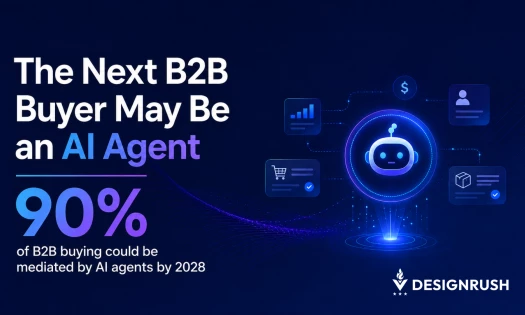
“AI commerce is the future of eCommerce,” Marko says. “Shoppers will rely on AI engines like ChatGPT, Gemini, or Perplexity to actively compare products, find the best options and complete purchases without leaving the platform.”
This is why brands need to go beyond traditional SEO and start optimizing for conversational AI. That means:
- Structuring product data so it’s easily indexed and interpreted
- Creating content that directly answers user questions
- Positioning your brand as the best answer in AI-driven search experiences
“Brands that optimize for AI SEO and position themselves as the go-to answer in these AI-driven conversations will thrive in this new era,” Marko concludes.
As shoppers turn to AI assistants to make purchase decisions, the path to discovery is no longer linear — or even search-based in the traditional sense.
From structuring product data for AI visibility to sharpening your brand positioning and measuring what truly moves the needle, growth will go to the brands that think system-first, not tactic-first.