

Fully integrated data platform Adverity has just unveiled the four best data pipeline architecture setups for agencies to help them find the perfect data-driven approach for streamlining client management.
Data pipeline architecture is a system used to design and manage the flow of data from various sources to their destinations in an efficient manner.
Raw data is then converted into insights for digital marketing analytics and other data-driven applications.
Knowing the right data pipeline architecture is crucial for agencies to ensure the needs of their clients are met in the most efficient way possible.
“When working in a fast-paced agency environment, speed, efficiency, and accuracy are vital as data teams are often servicing a multitude of clients.
A robust and reliable data pipeline architecture allows for the delivery of data at speed, with efficiency and of course the greatest degree of accuracy,” Mitesh Lakhani, senior director of Solutions Consulting at Adverity, told DesignRush.
1. By Client
The “By Client” setup, where data pipeline grouping is done mostly by the client, takes the top spot, according to Adverity.
In this setup, client data remains separated in silos, offering better security.
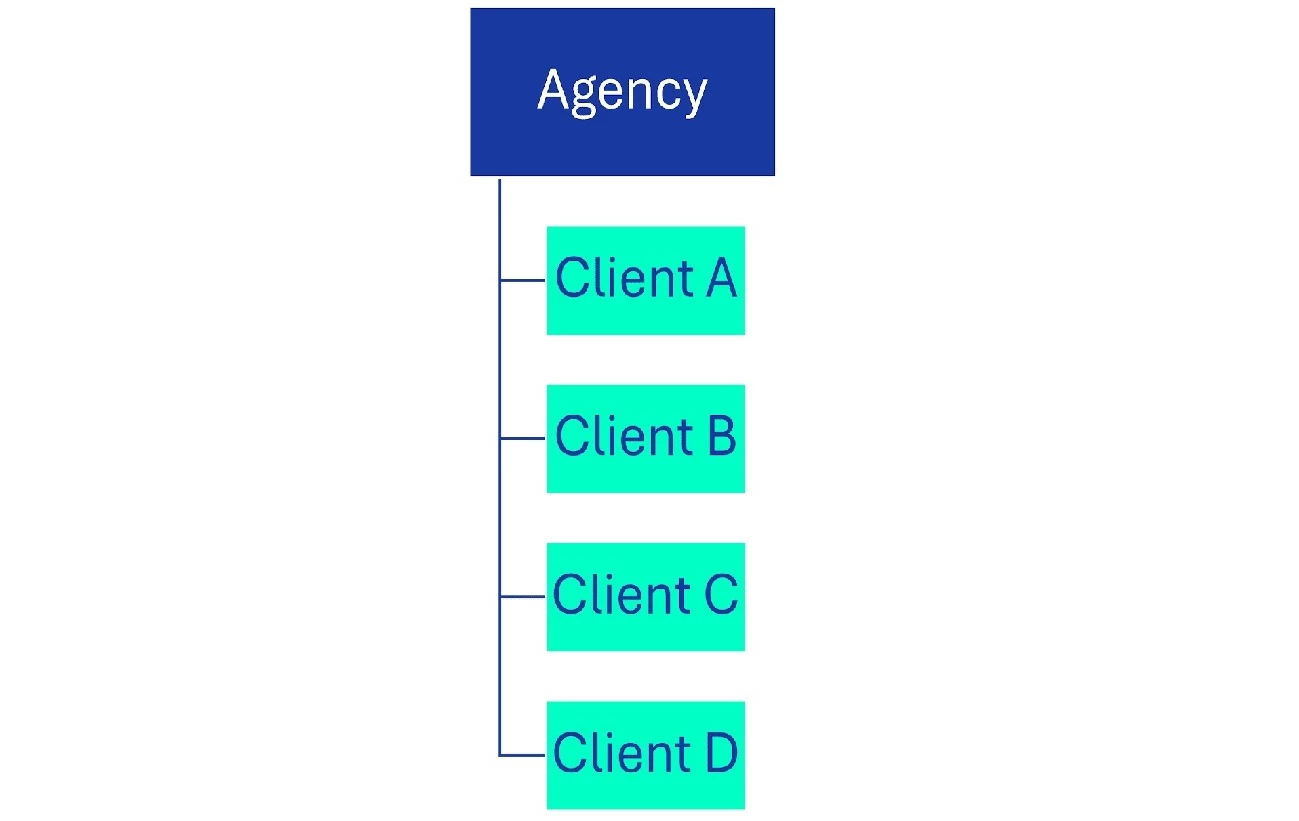
Agencies can benefit from this setup by having a high-level cross-client overview of all their data across markets, which includes trends and benchmarks that can help them make more informed budget decisions.
An agreed-on template for client reporting also makes this setup more scalable for both the agency and the client.
2. By Market
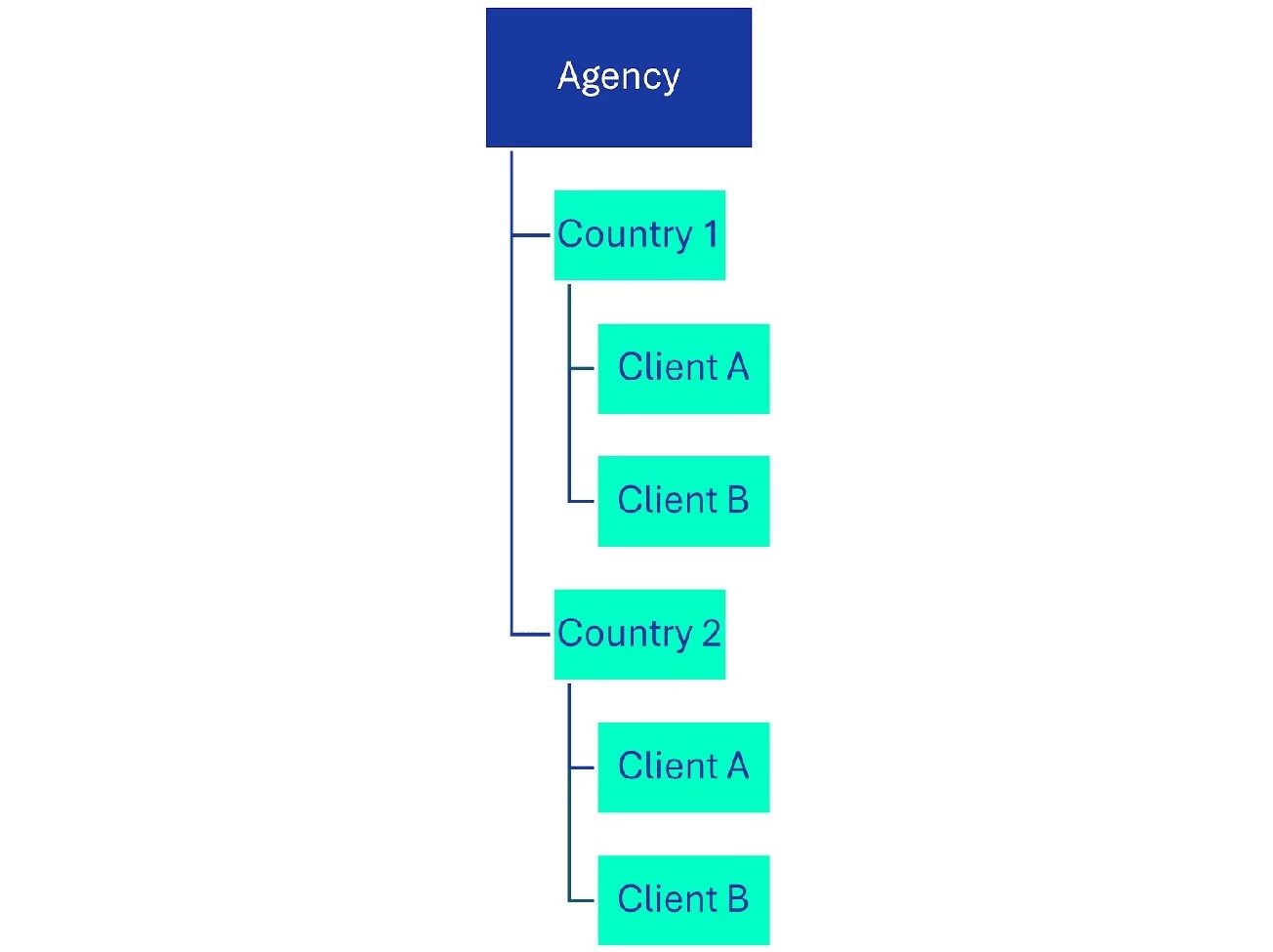
Next up is the “By Market” setup, where data is organized by country or region, and client teams are assigned to specific markets.
Here, cross-market reporting is managed at the agency level, which comes in handy for global agencies with separate contracts for the same client across different regions.
When setting up this architecture, it's more effective for agencies to choose a few key markets as templates to model the data processes for other regions.
Automated tools for transforming formats across different languages and currencies can further streamline the setup.
But for more complex regional differences, it's important to establish a unified framework.
This involves agreeing on common metrics and data processes to ensure accurate, comparable reporting across markets. By doing this, the agency will become capable of facilitating consistent and reliable cross-market analysis.
3. By Channel
The third most popular data pipeline architecture is “By Channel,” where data is organized by specific channels, each with dedicated teams.
Here, cross-channel reporting is also handled at the agency level, making this setup ideal for agencies with specialized teams.
While it’s less commonly used compared to the first two setups, it works well when team directors only need access to a specific channel's data and budget.
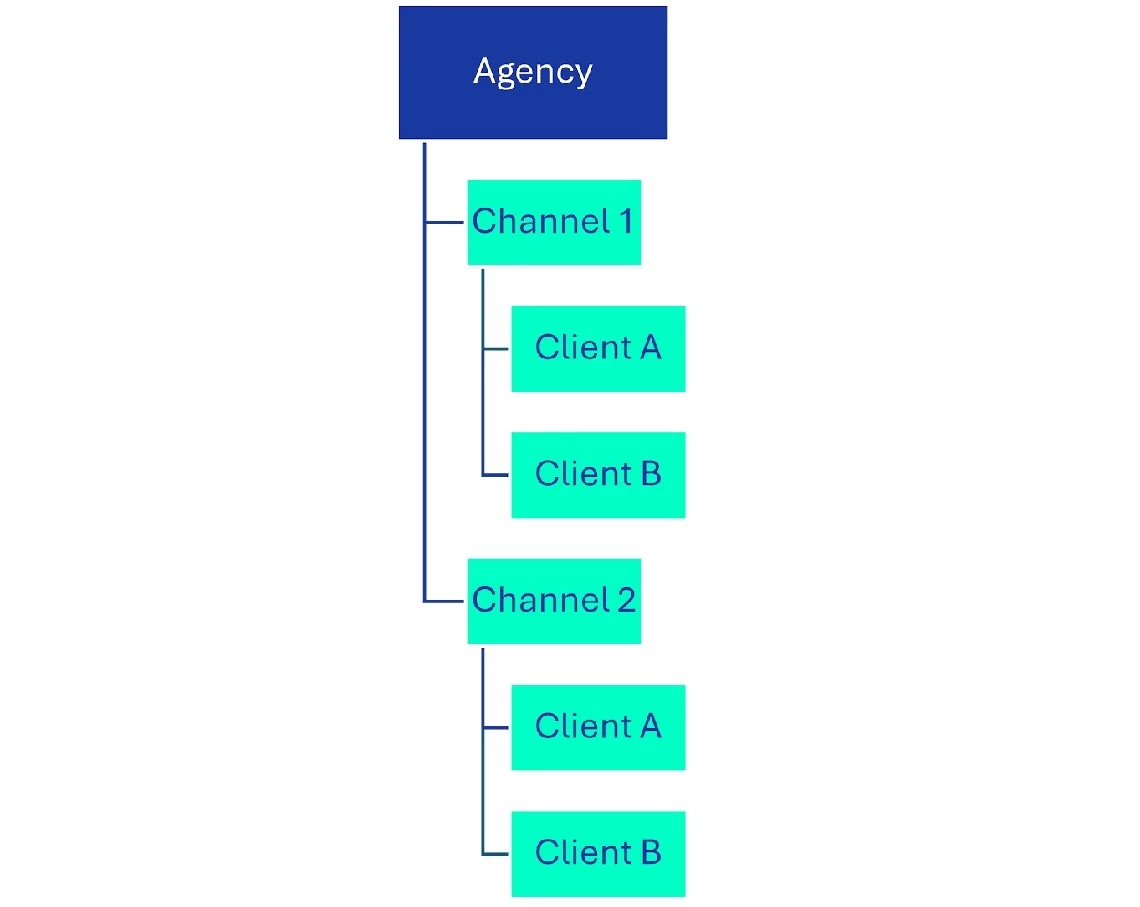
“By Channel” simplifies the architecture by creating one data stream per channel for all clients, rather than having separate streams per client, allowing for easy segmentation.
It also addresses authorization issues by enabling global authorizations for platforms, which gives better control over permissions and client management.
The downside of this setup is that cross-department visibility can become more challenging, making it harder to maintain a holistic view of marketing efforts across channels.
4. Combined
The “Combined” setup is just what its name suggests: agencies organize data using a mix of the previous structures — by client, market, and channel — offering a customizable and flexible approach.
Cross-client reporting also typically happens at the agency level, making this setup ideal for agencies with diverse needs and specialized requirements.
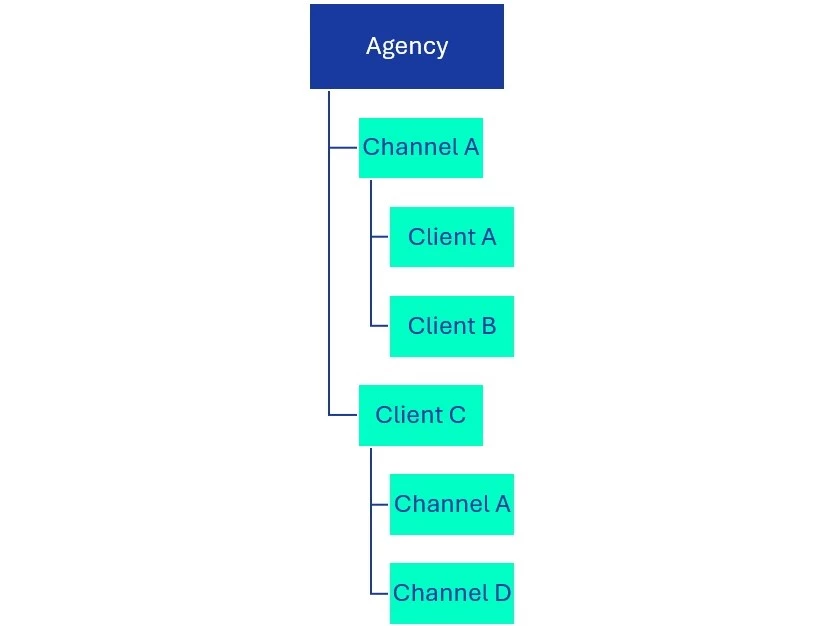
By putting together and templating elements from each structure, agencies can create a versatile data architecture that caters to various client portfolios and team specializations.
With a combined approach, agencies can enhance efficiency, security, and insights while allowing flexibility in response to existing infrastructure and security concerns.
It's a setup that supports growth and innovation, helping agencies stay competitive.
“Adverity can help achieve this exact outcome as we have a tool that is designed to slot into existing technological ecosystems rather than cause upheaval.
Of course, there are ‘good, better, and best’ methodologies and we aim to help clients tread this path, no matter where they are in their data journey,” Lakhani shared.
By understanding the different kinds of setups, agencies can choose the data pipeline architecture best suited to optimize their operations, deliver better insights for their clients, and scale more efficiently.