
Zola's 'Wedding of The Year' Campaign: Key Findings
- Zola links its campaign to the Swift-Kelce engagement buzz while featuring real users, keeping attention on customer stories without paid endorsements.
- The campaign dominates New York City OOH, pairing billboards, transit, and a hero film to elevate everyday couples.
- A mid-December launch targets peak engagement planning, reaching couples as wedding and registry searches rise.

Campaign Snapshot
The Taylor Swift and Travis Kelce engagement dominated holiday headlines, becoming nonstop cultural chatter.
Zola’s holiday campaign, "The Wedding of the Year," enters that moment without naming the couple, drawing on the attention while shifting focus to real users.
The company avoids direct celebrity reference while borrowing the cultural moment’s visibility.
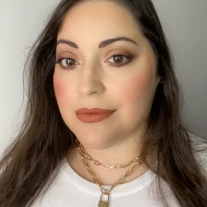
Instead, it centers Taylor Hayes and Travis Wickboldt, two Zola users from Wisconsin.
Zola CMO Briana Severson said in a statement that the "engagement is going to be a thing for the next nine to 12 months."
And to capitalize on it, the brand is showing the world its own Taylor-Travis love story.
“You could not imagine a better couple for this. They are the sweetest. They’re the epitome of a nice Midwestern couple,” Severson shared.
“Hearing more about them as individuals and their story, it made it so clear that these were the right people.”
This approach allows the brand to participate in the conversation without placing celebrities at the center of the story.
Borrow the Moment Without the Faces
The campaign builds around Hayes and Wickboldt’s upcoming May 2026 wedding.
Hayes, a middle school counselor and cancer survivor, and Wickboldt, a construction worker and veteran, met after she completed chemotherapy.
Their story anchors the campaign’s emotional core, with Zola sponsoring their wedding.
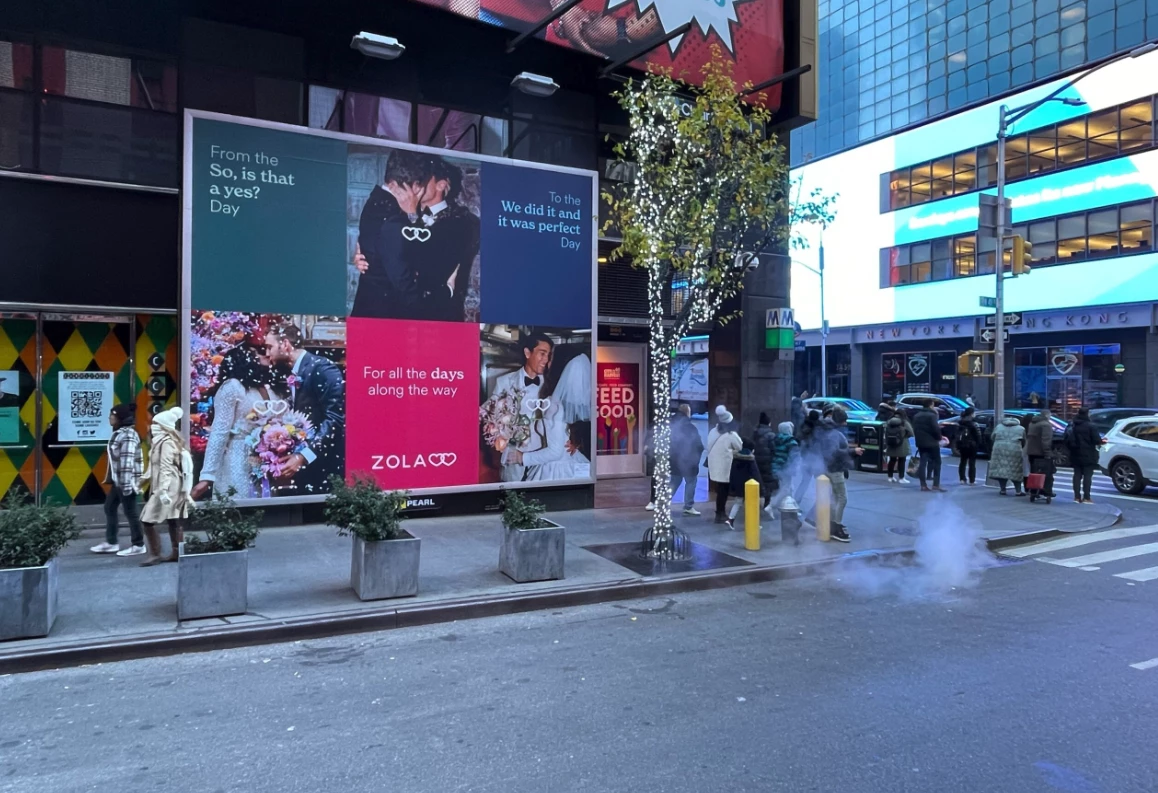
The company also places the couple's story across New York City billboards, transit placements, and newsstands, supported by coordinated social content.
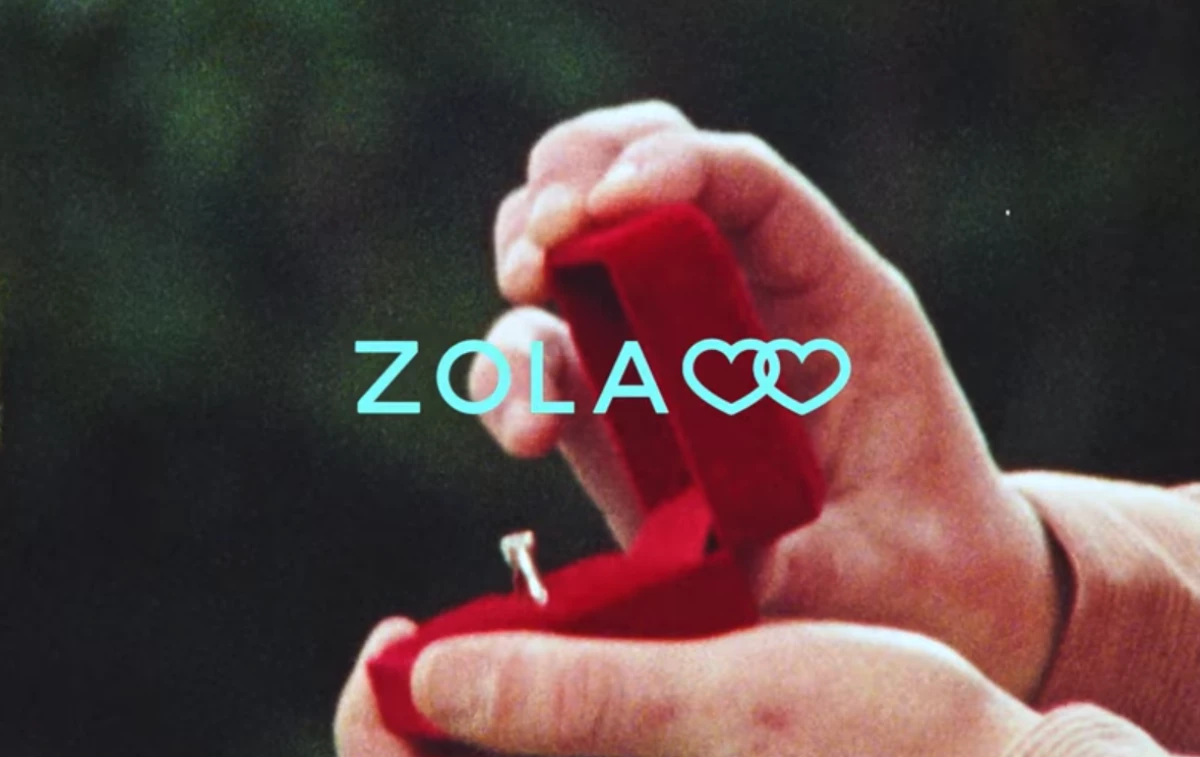
A hero film featuring the couple is also set to debut nationally on Netflix later in December.
In the film’s narration, Zola directly addresses the broader cultural moment:
“Their engagement didn’t trend. But to us? They’re every bit as iconic… Because everyone loves a celebrity wedding, and at Zola, we love yours.”
The message draws a clear distinction between celebrity-driven (Swift and Kelce) media cycles and the authentic stories that resonate with the brand's audience.
The campaign launched Dec. 15, aligning with the start of peak engagement season.
Holiday proposals historically drive spikes in venue searches, registry creation, and planning activity.
Zola enters this window with a message designed to feel personal, pairing predictable consumer behavior with a media environment already primed for wedding coverage.
The $65B Engagement Market
According to Grand View Research, the U.S. wedding market generates an estimated $65 billion each year, spread across millions of individual planning decisions.
Most spending happens quietly, driven by couples booking venues, building registries, and coordinating logistics on their own timelines.
Media attention rarely reflects where the money actually moves.
This spending pattern aligns with how Zola functions as a planning platform.
Registry creation, vendor research, and online bookings concentrate activity during engagement season, when decisions feel immediate and personal.
The campaign’s focus on a real couple reflects where these commitments form. National-scale media amplifies a story that mirrors the market itself.
Everyday weddings, repeated across households and regions, account for the bulk of economic activity. Visibility follows volume, not fame.
This campaign provides a strategy reference for brands looking to participate in cultural moments without relying on expensive talent:
- Cultural participation with purpose. Anchor campaigns in real customer behavior while operating inside widely shared moments.
- Timing aligned to decision cycles. Launch during periods when audiences actively plan and commit.
- Scale that signals legitimacy. Use high-visibility media to give everyday stories the same public weight as headline-driven narratives.
The success of a brand’s strategy is measured by how effectively it aligns its platform’s core value with the audience's reality.
Our Take: Can Brands Use Celebrity Attention Without Celebrities?
I think it's effective when timing and intent work together.
Zola waited until the engagement coverage became familiar background noise, then placed a different story at the center.
The campaign benefits from scale without carrying the cost or volatility of celebrity or influencer partnerships.
Attention may spike quickly, but remember that loyalty grows through repeated, trust-based decisions.
Seasonal celebrity narratives, like Taylor Swift’s Orange Era, show how quickly celebrity-driven attention cycles move on once the moment passes.
Find the right creative agency for your next campaign. Browse the Top Creative Agencies on DesignRush.