
WPP Media & Norwegian Cruise Line Partnership: Key Findings
- The agency's win signals intensified competition among holding companies in the travel industry.
- It reflects how cruise brands are scrutinizing media performance as demand stabilizes and acquisition costs remain high.
- The account adds scale and credibility for WPP at a time when major networks are fighting to hold ground in hospitality.
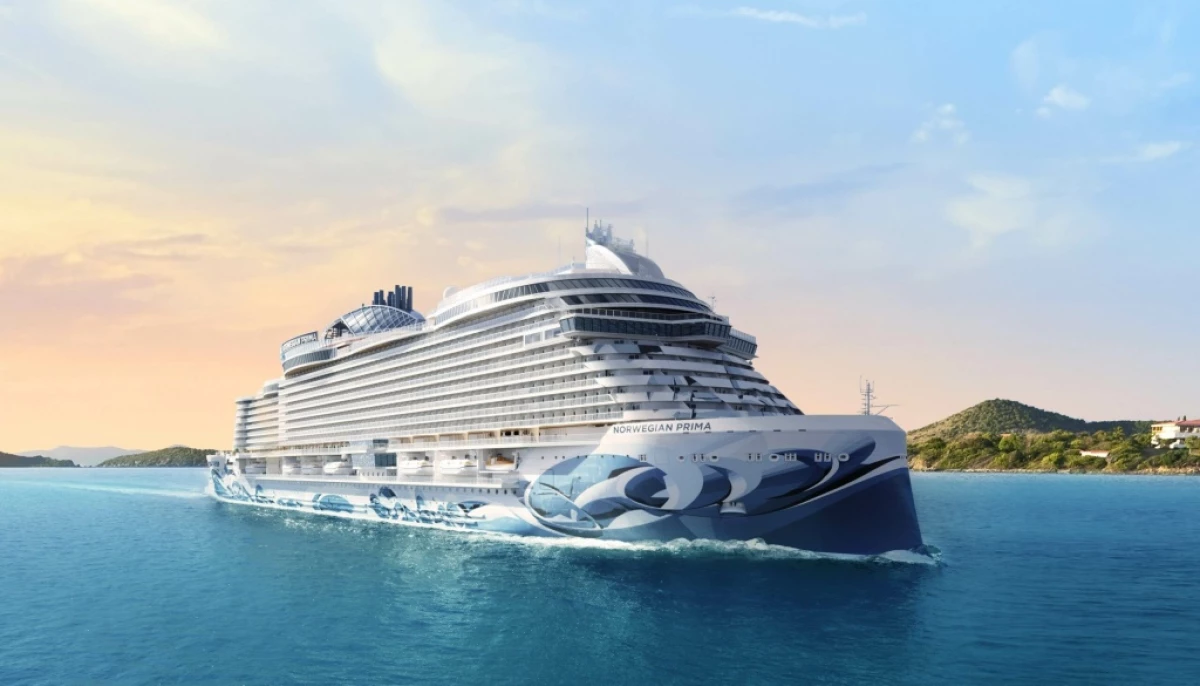
WPP Media has landed Norwegian Cruise Line’s media business.
Following a competitive review, the global agency secured the U.S. media account, reported to be worth $102 million.
It was previously handled by Publicis Groupe agency Digitas.
The decision comes as cruise operators recalibrate marketing strategies amid changing booking patterns, rising media costs, and renewed competition for leisure travelers.
Norwegian Cruise Line, part of a broader portfolio that includes multiple cruise brands, is expected to lean heavily on media efficiency and audience targeting.
The company aims to drive sustained demand in the U.S. market, and for WPP Media, the win represents a meaningful addition to its client portfolio.
The cruise travel category is where scale, timing, and performance accountability increasingly determine agency relationships.
Media Scrutiny Tightens Across the Travel Industry
The cruise category has become more disciplined about where and how marketing dollars are spent.
After years of volatility tied to pandemic disruptions, travel brands are now operating in a market shaped by price-sensitive consumers.
This means shorter booking windows and heightened competition from airlines, resorts, and alternative travel experiences.
Media partners are being evaluated on their ability to balance reach with measurable returns, particularly across social media, connected TV, and performance channels.
Norwegian Cruise Line’s decision to move its U.S. media business reflects this move toward agencies positioned to deliver precision alongside scale.
As travel rebounds unevenly across segments, media strategy is about efficiency, timing, and relevance at every stage of the booking journey.
In travel marketing, large budgets now move faster, and relationships still matter. But it's performance credibility that determines who keeps the account.
Brands Are Fighting for Travel Dollars
Cruise brands, in particular, face a narrow window to capture discretionary spend as travelers weigh multiple leisure options.
As travel marketing grows more competitive and more accountable, agency wins like this one show where momentum is concentrating and where scrutiny is increasing.
Large travel accounts attract intense competition, and this assignment signals operational trust and scale that extend beyond simple billings.
A tighter set of pressures is changing how travel brands evaluate agency partners:
- Media accountability has sharpened, with brands demanding clearer links between spend and bookings.
- Digital complexity continues to rise, forcing agencies to integrate data, platforms, and creative execution more tightly.
- Hospitality brands are consolidating partners, favoring networks that can operate at a national scale without fragmentation.
These reward agencies that combine operational depth with measurable outcomes, making scale and execution reliability as decisive as creative reputation.
Our Take: Where Is Travel Marketing Headed Next?
I see this as a sign that travel marketing is settling into a more demanding phase.
Big brands are choosing partners based on delivery strength, discipline, and accountability at scale.
The Norwegian Cruise Line win adds a complex, high-value travel account to WPP’s recent momentum.
It follows the group’s global Jaguar Land Rover assignment, another signal of trust during periods of pressure and reset.
Together, these wins point to confidence built through execution across categories that leave little room for error.
As WPP continues expanding its AI and data capabilities through moves like the InfoSum acquisition, secure intelligence is becoming central to how media decisions get made.
Looking for a partner that can give you the brand strategy you need? Explore the Top Creative Agencies vetted by DesignRush.