
Uber's Women-Only Rides: Key Findings
- The company launched the new feature in the U.S., allowing female riders to request women drivers and drivers to prioritize women passengers.
- The rollout is facing a California class action, with two drivers arguing the feature violates the Unruh Act’s ban on sex discrimination.
- The feature already operates internationally, with women-matching available in over 40 countries for drivers and in seven countries for riders.
Uber has just rolled out its Women Preferences feature across the U.S.
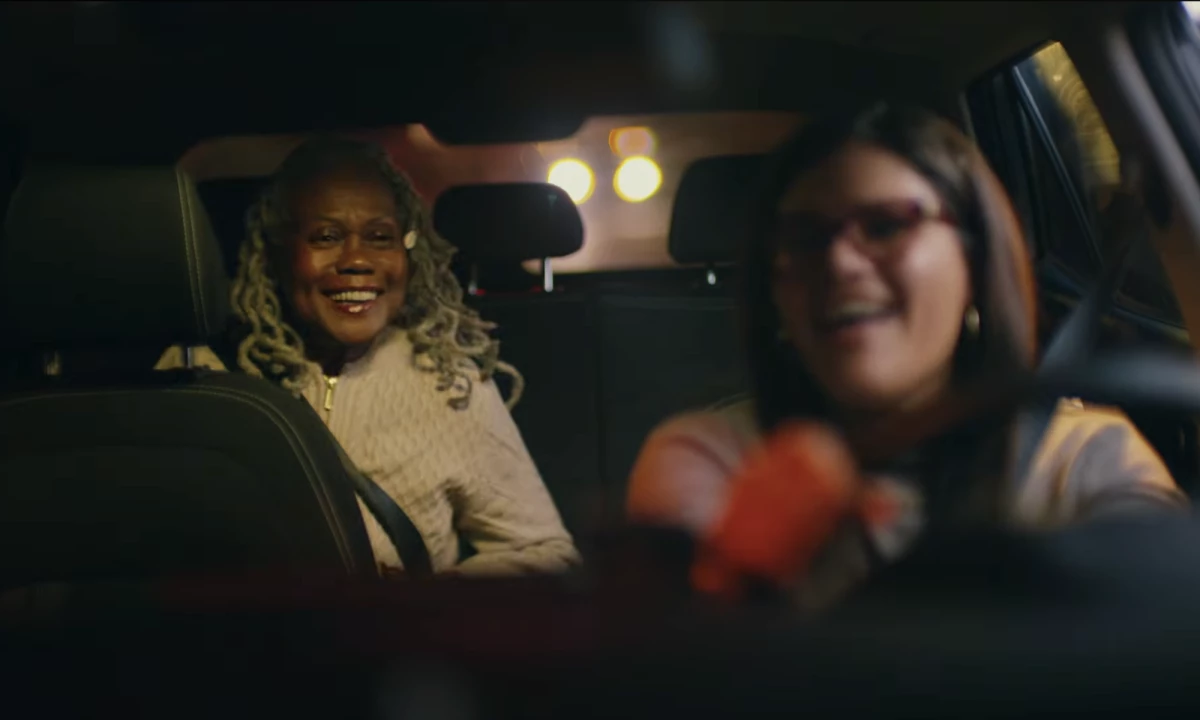
It gives female passengers the option to request a woman driver and female drivers the ability to increase their likelihood of matching with women riders.
The feature follows a U.S. pilot last year, which Uber said led to women feeling more comfortable as passengers and more confident as drivers.
Uber said around one-fifth of its drivers in the U.S. are women, though the ratio varies by city.
The rollout reflects a bigger push by ride-hailing platforms to use safety features as a retention tool.
Demand from both drivers and riders signaled a market gap that was going unaddressed.
A Pattern Forming Around Ride-Hailing
Uber U.S. is not the first platform to move here.
It already offers the women-matching option for drivers in more than 40 countries and for riders across seven, including Spain, Brazil, and Saudi Arabia.
Grab, the dominant ride-hailing app across Southeast Asia, launched its Women-Only Rides beta in Malaysia's Klang Valley on International Women's Day 2026.
It matches female passengers exclusively with verified women drivers through a one-time ID verification process.
The feature builds on earlier Grab initiatives in the region, including women-only rides in Thailand and the LadyGrab delivery-only program in Indonesia.
Lyft also introduced a similar option in 2024 and is currently facing its own discrimination lawsuit over the feature.
Uber's U.S. launch faces similar pressure.
Two California drivers have filed a class action lawsuit arguing the feature violates the state's Unruh Act, which prohibits sex discrimination by businesses.
Uber has filed a motion to move the case to private arbitration.
However, the legal exposure on both sides of the Atlantic has not slowed the rollout.
Safety is the stated rationale across every market, and the demand signal from both drivers and riders appears strong enough for platforms to absorb the legal risk.
Safety Features as a Driver Acquisition Strategy
Uber's pilot data, combined with Grab's IWD launch timing and Lyft's earlier rollout, points to a trend in how ride-hailing platforms are segmenting their user base and communicating safety.
Grab's Malaysian launch also included a women driver acquisition campaign running through September 2026, with incentives including fuel vouchers and a vehicle prize.
The campaign framing, which is centered on financial independence and safety, shows how platforms are using feature launches as marketing tools aimed directly at women.
For advertisers and agencies, a few things stand out:
- Safety features are becoming brand differentiators. Platforms increasingly position safety tools as part of their market offering.
- Segmentation opens new targeting opportunities. Verified user groups create distinct audiences for brand partnerships.
- Legal risk affects partnership planning. Ongoing litigation could influence how gender-specific features operate.
Uber's U.S. rollout, alongside other platforms making the same move, suggests that women-only ride options are becoming a standard feature across global ride-hailing.
Our Take: Is Safety a Product or a Promise?
We think the more interesting question here is not whether the feature works legally, but whether it works as a brand strategy long-term.
Uber and Grab are both framing women-only options as safety tools, and the commercial logic supports this positioning.
Retaining female drivers and passengers has direct revenue implications for both platforms.
The lawsuits in California will set an important precedent, and the outcome will determine how far U.S. platforms can take gender-based matching.
Brands targeting women audiences through platform partnerships need agencies that understand safety-led marketing and how audience segmentation is evolving across mobility and tech platforms.
Explore the top digital marketing agencies in our directory.