
Key Takeaways
- TikTok ads are back up after a 12-hour blackout, but with new downloads and updates still restricted, advertisers are facing limited reach and performance.
- With TikTok's future uncertain, advertisers are turning to other platforms like YouTube, Pinterest, and Snap, which have seen a boost in traffic.
TikTok advertisers in the U.S. breathed a sigh of relief on Sunday as advertising campaigns resumed after the app was restored following a 12-hour blackout.
The outage came amid ongoing negotiations with the U.S. government over the platform’s future, sparked by national security concerns tied to its Chinese ownership.
This disruption occurred shortly after President Donald Trump issued an Executive Order on his first day in office that effectively lifted the ban.
"Accordingly, I am instructing the Attorney General not to take any action to enforce the Act for a period of 75 days from today to allow my Administration an opportunity to determine the appropriate course forward in an orderly way that protects national security while avoiding an abrupt shutdown of a communications platform used by millions of Americans," the Executive Order stated.
🚨BREAKING: Trump signs executive order extending the TikTok window for sale
— Autism Capital 🧩 (@AutismCapital) January 21, 2025
He also mentions in this clip that Elon Musk will not be helping with Executive Orders because he'll be too busy "sending rockets to space." pic.twitter.com/d1a5L3HF9o
The shutdown, which started late Saturday, left ad traffic plummeting to zero, forcing advertisers to pause campaigns targeting U.S. audiences.
On Sunday afternoon, TikTok announced its return, albeit with some limitations for live campaigns. The app remains inaccessible for new downloads, but existing users can access its features.
TikTok also released a statement following the Executive Order that brought it back online: “We are fortunate that President Trump has indicated that he will work with us.”
Apple confirmed that TikTok and other ByteDance-affiliated apps, such as Lemon8 and CapCut, are no longer available for download in the U.S.
Existing apps will still work but will not receive updates, which will impact certain in-app features and purchases.
This means limited reach to new users and potential disruptions to in-app advertising performance, posing challenges to businesses' campaign scalability and effectiveness.
Where TikTok Stands in U.S. Advertising
TikTok has been a dominant player in the U.S. digital ad market, boasting 170 million users and a projected 10% growth in ad revenue to $11 billion this year, according to the World Advertising Research Center.
Even with Trump's Executive Order, TikTok's future still hangs in the balance, and this has opened the door for other platforms to step in and attract advertisers seeking reliable alternatives.
These platforms did not miss the opportunity to showcase their unique advantages, positioning themselves as key players in digital advertising — letting brands know that they are here even if TikTok is not.



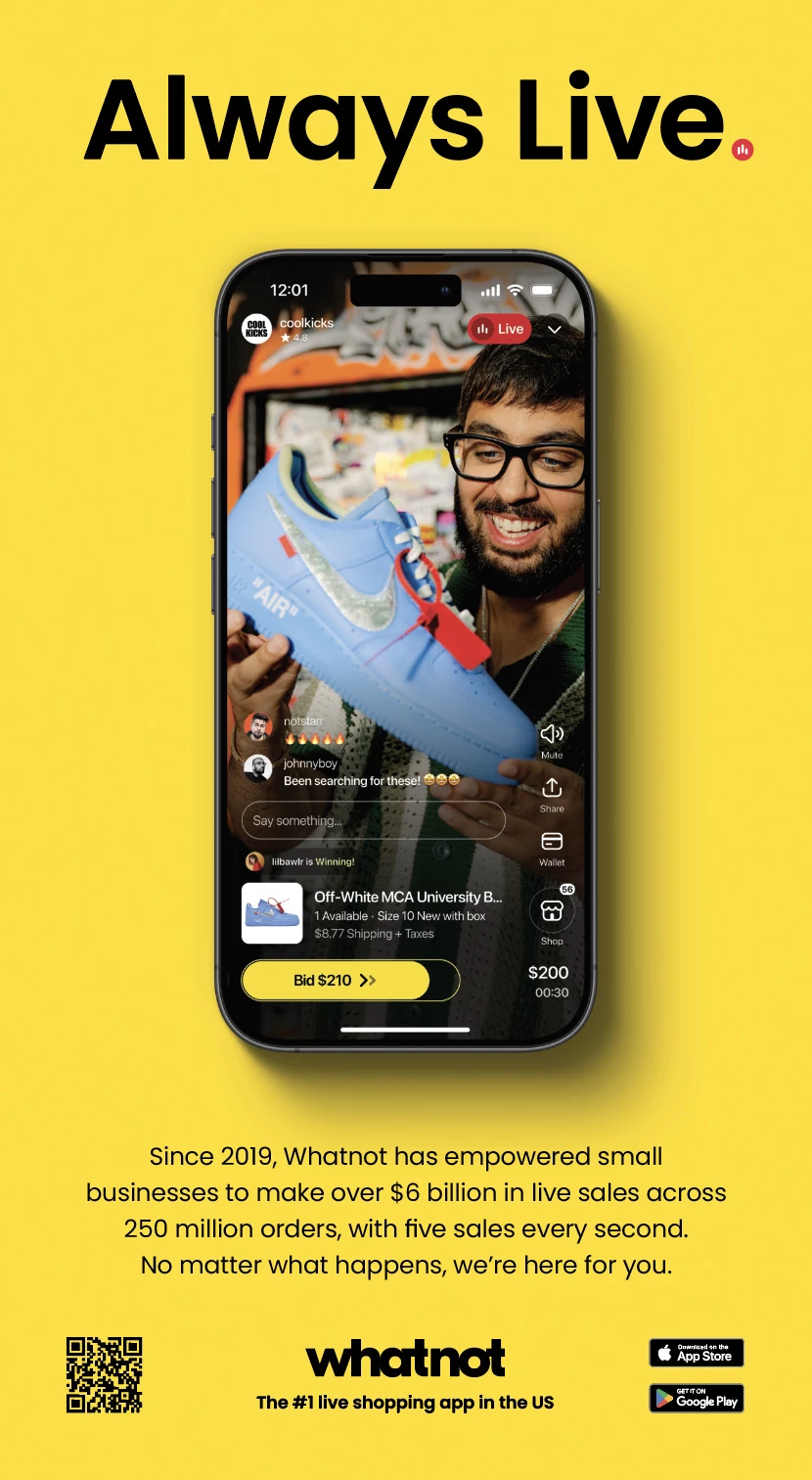
For instance, livestream shopping app Whatnot seized the moment with a creative ad campaign that hit national newspapers just as the TikTok drama unfolded.
The ad, running on major outlets like The New York Times, The Washington Post, and Los Angeles Times, boldly declared, “No matter what happens, we’re here for you.”
As North America's and Europe's largest livestream shopping platform, Whatnot saw a major sales boost, surpassing $3 billion in 2024 — a more than two times increase in volume.
On the other hand, eCommerce platforms like MikMak, reported a drop in TikTok traffic throughout the week, while traffic surged on platforms like YouTube, Pinterest, and Snap.
Rachel Tipograph, CEO of MikMak, highlighted brands’ growing interest in social commerce on Pinterest as an alternative.
TikTok has temporarily reached an accord with the Trump administration to continue operating, offering a short period of relief for brands reliant on TikTok’s advertising capabilities and its large user base.
However, the app's future remains uncertain, leaving advertisers exploring alternative platforms to hedge against potential disruptions.