

Tech Storytelling Key Findings:
- Clear audience-specific messaging turns complex innovation into action. Clarity builds trust and momentum across stakeholders.
- Claims that sound like overpromising won’t convince clients. Showing evidence of real traction earns trust across the board.
- Layered narratives win when smart brands tailor their message without diluting substance or losing strategic alignment.
Artificial intelligence is ushering in a new era of innovation, but most companies are struggling to translate that innovation into action.
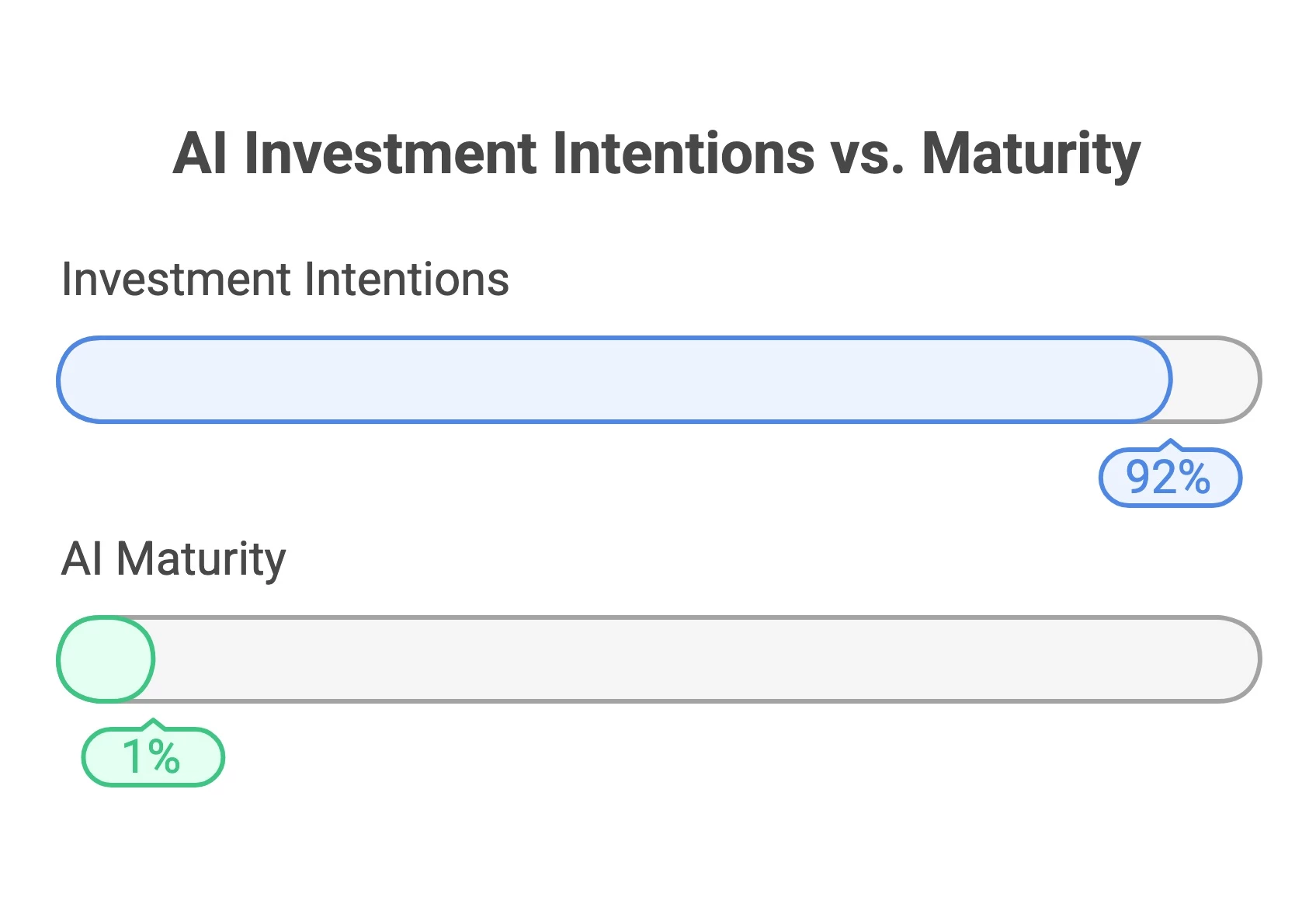
92% of companies plan to increase their AI investments, but only 1% say they’ve reached maturity, according to a report by McKinsey.
Nearly all companies are ramping up AI budgets, yet only a sliver have matured enough to embed AI in their workflows and see real ROI efficiently.
Bridging this gap is a strategic challenge that requires leadership to define and communicate the business value of AI initiatives clearly.
Amanda Foley, founder and CEO of Kiterocket, has spent two decades helping emerging tech and sustainability brands cut through the noise and articulate why their innovation matters.
She says the biggest messaging mistake companies make isn’t complexity; it’s assuming people will “get it” without a story.
In our interview, Amanda breaks down why clarity builds trust, how to tailor messaging without diluting it, and why real-world proof should always trump buzzwords.

Who Is Amanda Foley?
Amanda Foley is the founder and CEO of Kiterocket, a communications agency known for translating complex technologies into high-impact messaging. With a background in both traditional PR and digital strategy, Amanda has helped companies across tech and sustainability connect with partners, regulators, and the public. Prior to Kiterocket, she co-founded Duo Public Relations and held leadership roles at global agencies. She’s also a former President of Public Relations Boutiques International and an active member of the women’s executive network Chief.
1. Make Complex Technology Clear and Meaningful
Amanda says many companies assume that technical brilliance will sell itself.
But even the most transformative innovations won’t gain traction if people don’t understand what they are or why they matter.
“Complex technologies can’t make a real difference unless people understand what they are, why they matter, and how they fit into the bigger picture,” Amanda says.
“We’ve built our reputation by helping clients translate what they do into narratives that make an impact.”
It’s not just about making things simpler. It’s really about making things meaningful.
Whether the audience is an investor, policymaker, or buyer, they need to understand how the innovation fits into their world.
“Clarity drives action. A clear, compelling message creates trust and builds momentum across industries and communities.”
2. Tailor Your Message Without Losing Depth or Credibility
One of the most common communication pitfalls? Swinging too far in either direction.
Brands either lean into dense, technical jargon that alienates non-experts or dilute their message so much that it loses all substance.
Amanda says the real skill lies in striking a balance: crafting messaging that’s grounded in technical truth, but shaped to resonate with each specific audience.
“Too many brands use overly technical language that can alienate audiences. Others swing too far in the opposite direction and lose credibility by oversimplifying,” she explains.
“The key is finding that middle ground — a sweet spot that anchors your message in truth but shapes it for the right audience.”
Just keep in mind that tailoring your message doesn't mean watering it down.
Kiterocket’s team often builds layered narratives: some designed for mainstream visibility, others for more specialized stakeholders.
“Every audience needs clarity, but not every audience needs the same message.”
The right message connects. The right depth earns trust.
3. Prove It With Real-World Evidence
Skepticism runs high in emerging industries, especially in AI, climate tech, and other frontier categories where buzzwords often outpace results.
That’s why proof matters more than promotion.
“Success isn’t about sheer volume,” Amanda explains. “It’s about signs of credibility and traction.”
Those signs include:
- Earned media in respected outlets
- Analyst mentions and ecosystem recognition
- Engagement from the right stakeholders — not just clicks, but conversations
- That’s how clients know your story is working.
One example: Kiterocket helped a solar recycling startup go from niche to national by connecting its mission to real-world outcomes.
In just six months, the company landed major trade coverage, spoke at a national summit, and built new customer and partner relationships.
The lesson? Great messaging starts with education, but it earns trust through results.
4. Build Layered Narratives That Speak to Every Decision-Maker
Startups often swing between extremes, oversimplifying to appeal to the masses or hyper-focusing on one buyer persona.
Kiterocket’s approach avoids both traps. Instead, the team builds a set of layered narratives.
Each one is tailored to a specific stakeholder, but all are rooted in the same core mission.
“We build distinct yet connected narratives. Some are tailored for broad-market visibility, others are designed to engage technical, financial, or regulatory stakeholders more deeply,” Amanda explains.
That flexibility is critical. In today’s ecosystem, engineers, investors, regulators, and the public all have a say in tech adoption, and each group needs to see where they fit in.
“The key is knowing who you're speaking to and meeting them there — whether it's a C-suite decision-maker, community leader, grid planner, or informed layperson.”
5. Adapt Stories for Each Audience
In complex or emerging categories, a big idea isn’t enough. Audiences need to understand why a technology exists and how it’s making progress.
Amanda advises brands to lead with purpose, but always back it up with evidence.
“If you can clearly articulate why your technology exists—what problem it solves and what future it helps build—everything else becomes easier,” she says.
That clarity doesn’t require perfection.
In fact, showing the evolution of a product or company can deepen credibility.
“The effort, the iteration, and the real-world learning are what build trust. People connect with progress, not perfection.”
Align Messaging With Long-Term Value
Enterprise and emerging tech buyers don’t invest in jargon. They invest in clarity, credibility, and strategic alignment.
The most effective communications aren’t just technically accurate; they’re built to resonate across stakeholders and backed by proof.
For companies in complex or high-growth industries, clear messaging is a growth driver.
The brands that capitalize on this by speaking their audience’s language and showing real-world traction are the ones that build trust from day one.