
Key Findings:
- National Savings Gap: On average, women take 4.3 years longer than men to save up to start a business, highlighting the need to explore alternative funding like grants and women-focused VC funds.
- Mississippi Faces the Largest Disparity: Women wait 10 years longer than men to start a business, which calls for policymakers and financial institutions to create more inclusive funding programs.
- Vermont Leads in Closing the Gap: With only a 0.7-year savings gap, other states should adopt similar financial initiatives to level the playing field and accelerate women’s access to business ownership.
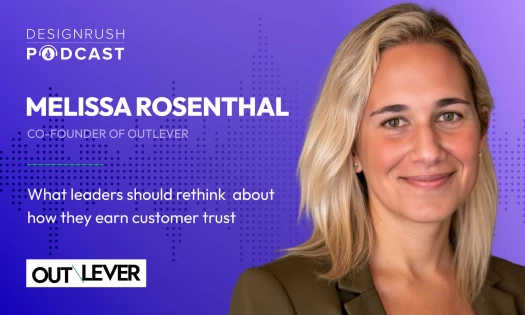
Stay informed on the go. Our 7-minute DesignRush Podcast covers strategies to create a more equitable environment for women entrepreneurs. Listen now or keep reading.
Despite progress in gender equality, women in the U.S. face a significant delay in achieving business ownership.
For International Women's Day, DesignRush examined the financial barriers women face in starting businesses, uncovering key disparities and potential solutions to bridge the gap.
According to the latest month-to-month data for 2024, women earn 20% less than men.
They must wait 4.3 years longer than men to save enough to start their own businesses.

The disparity is widespread — in over 20 states, women wait at least five extra years before they can afford to establish a business.
Starting a company in the U.S. typically requires $40,000, covering startup costs, state filing fees, and annual fees.
With a national savings rate of 3.8%, DesignRush analyzed monthly salaries, startup costs, and disposable income across all 50 states to determine how long it takes men and women to reach this financial milestone.
The Longer Wait Time Is Evident Across the Country
In every state, women must wait longer than men to launch a business, sometimes a decade longer just to have the same opportunity.
On top of the widespread gender pay gap, women entrepreneurs continue to face systemic barriers such as:
- Unequal access to funding
- Underrepresentation in high-growth industries
- Persistent biases that affect investment and business opportunities
These challenges not only delay business ownership but also restrict the overall economic impact of women-led enterprises.
What do you know of #InternationalWomensDay 🙋🏽♀️? #IWD has a long powerful history of collective action with many groups, countries & bodies actively contributing to its evolution. #IWD2025 is dedicated to women's advancement. Let's #AccelerateAction💪✨️👉🏿https://t.co/mk2HJ39qNLpic.twitter.com/nx1aNnnTEd
— Women's Day (@womensday) March 2, 2025
In an interview with DesignRush, sisters Becca and Jenna, founders of women-centric branding agency Peanut Butter Creative, shared what they're doing to mitigate these challenges:
"Statistically, women-owned businesses receive less funding and generate less revenue than other businesses and we wanted to help change that by working with women to grow their businesses through strategic brand design, website development, and marketing initiatives."
By empowering women entrepreneurs with the right tools and support, businesses like Peanut Butter Creative are helping to close the gap and create a more inclusive, thriving business environment.
How This Gap Affects Businesses
The longer wait time for women to become business owners has wide-ranging effects on the economy, innovation, and workforce potential.
- Slower Economic Growth: Fewer women-owned businesses mean reduced job creation and market competition, limiting overall economic expansion.
- Weaker Industry Innovation: A lack of diverse leadership stifles creativity and prevents fresh perspectives from driving new products and services.
- Underutilized Talent: Financial barriers prevent qualified women from launching businesses, leading to a loss of potential entrepreneurs and skilled professionals.
Addressing these disparities through targeted financial support, inclusive policies, and business-led initiatives can unlock economic potential and create a more dynamic, innovative marketplace.
The Worst States for Women to Start a Business
1. Mississippi — 10.3 Years Behind Men
Mississippi ranks as the most challenging state for women entrepreneurs, with the highest gender wage gap in the U.S.
A 10-year delay could seriously hinder women looking to start businesses in Mississippi.
| METRIC | MEN | WOMEN |
| Monthly Salary | $4,477 | $2,887 |
| Monthly Savings | $179 | $115 |
| Years to Save | 18.6 | 28.9 |
Addressing Economic Underperformance: Policymakers should prioritize financial support for women entrepreneurs, such as low-interest loans or grants, while businesses can help by creating mentorship programs and offering funding to women-led startups.

2. Idaho — 7.0 Years Behind Men
Idaho's 31% gender pay gap delays women's ability to save for business ownership, putting them seven years behind men.
It is possible that Idaho is not fully utilizing its talent pool, with many women finding it difficult to find opportunities to start businesses.
| METRIC | MEN | WOMEN |
| Monthly Salary | $5,369 | $3,705 |
| Monthly Savings | $215 | $148 |
| Years to Save | 15.6 | 22.5 |
Addressing Inefficiency in Talent Utilization: Policymakers should introduce targeted policies that reduce financial barriers for women.
Employers, on the other hand, can support female entrepreneurship by offering training, business planning resources, and partnership opportunities.

3. Texas — 6.9 Years Behind Men
Texas' significant gender-based financial gap could hurt its reputation as an entrepreneurial hub.
With lower earnings and limited savings, women in Texas face a 6.9-year delay in starting their own businesses.
| METRIC | MEN | WOMEN |
| Monthly Salary | $4,509 | $3,289 |
| Monthly Savings | $180 | $132 |
| Years to Save | 18.6 | 25.5 |
Addressing the Negative Impact on State Reputation: Policymakers should create visible initiatives that directly support women in business, such as state-backed incubators.
Meanwhile, businesses can lead by example, championing diversity and offering resources to women entrepreneurs.

The Best States for Women to Start a Business
1. Vermont — 0.7 Years Behind Men
Vermont has the smallest savings gap, helping women start businesses faster to drive innovation and grow the local entrepreneurial ecosystem.
| METRIC | MEN | WOMEN |
| Monthly Salary | $4,203 | $4,064 |
| Monthly Savings | $168 | $163 |
| Years to Save | 19.9 | 20.6 |
Key Actions for Businesses and Policymakers: Companies can actively seek out women-led startups for partnerships, while policymakers should introduce programs like grants or tax incentives to further support women entrepreneurs.

2. Oregon — 1.2 Years Behind Men
States that offer equal opportunities for women are more likely to retain female talent, preventing "brain drain" and strengthening their local economies.
| METRIC | MEN | WOMEN |
| Monthly Salary | $4,799 | $4,490 |
| Monthly Savings | $192 | $180 |
| Years to Save | 17.5 | 18.7 |
Key Actions for Businesses and Policymakers: Lawmakers can further reduce the risks of talent drain by encouraging local entrepreneurship with incentives, while companies should help women transition into business ownership through mentorship, funding, and leadership opportunities.

3. Arizona — 1.2 Years Behind Men
States like Arizona gain a competitive edge by positioning themselves as leaders in gender equality and innovation.
| METRIC | MEN | WOMEN |
| Monthly Salary | $4,588 | $4,294 |
| Monthly Savings | $184 | $172 |
| Years to Save | 18.2 | 19.4 |
Key Actions for Businesses and Policymakers: State and city officials should continue promoting women in business, while financial institutions can attract women entrepreneurs with tailored funding programs and incentives.

Methodology
This campaign ranks U.S. states based on how long it takes women to save enough to start a business, with a key focus on the gap between women and men.
Key Metrics and Data Sources:
- Salaries by Gender (2024)
- Source: Current Population Survey (CPS)
- Total CPS sample size: 546,413 respondents
- CPS datasets for each month of 2024 were aggregated to calculate average salaries after data cleaning.
- Business Startup Costs:
- Source: Shopify Report on Cost to Start a Business
- Average startup cost: $40,000 (including filing and annual fees)
- State Filing & Startup Fees
- Savings Rate (Latest Data - December 2024)
Using salaries, savings rates, and total startup costs, we calculated how many years it would take for both women and men to save enough money to start a business.
We then ranked states based on the gender savings gap.
If you're a woman entrepreneur looking for resources to start or grow your business, you can partner with vetted experts featured in the DesignRush agency directory.


-preview.jpg)