
Trust Through Messaging: Key Findings
- Consistency builds trust faster than talent. Regular, authentic presence matters more than perfection.
- Communication is a growth strategy. Clear, intentional words can rally teams, strengthen culture, and drive results.
- Emotional intelligence is non-negotiable. Listening, adapting, and leading with empathy create the psychological safety teams need to thrive.
74% of employees believe communication is a critical leadership skill, according to a study published on ResearchGate.
However, only 18% think their leaders communicate effectively.
This gap is about clarity, consistency, and emotional intelligence, the things no one teaches, but every leader needs.
Many executives undervalue their voice, fearing public speaking or over-relying on “scripted” messaging.
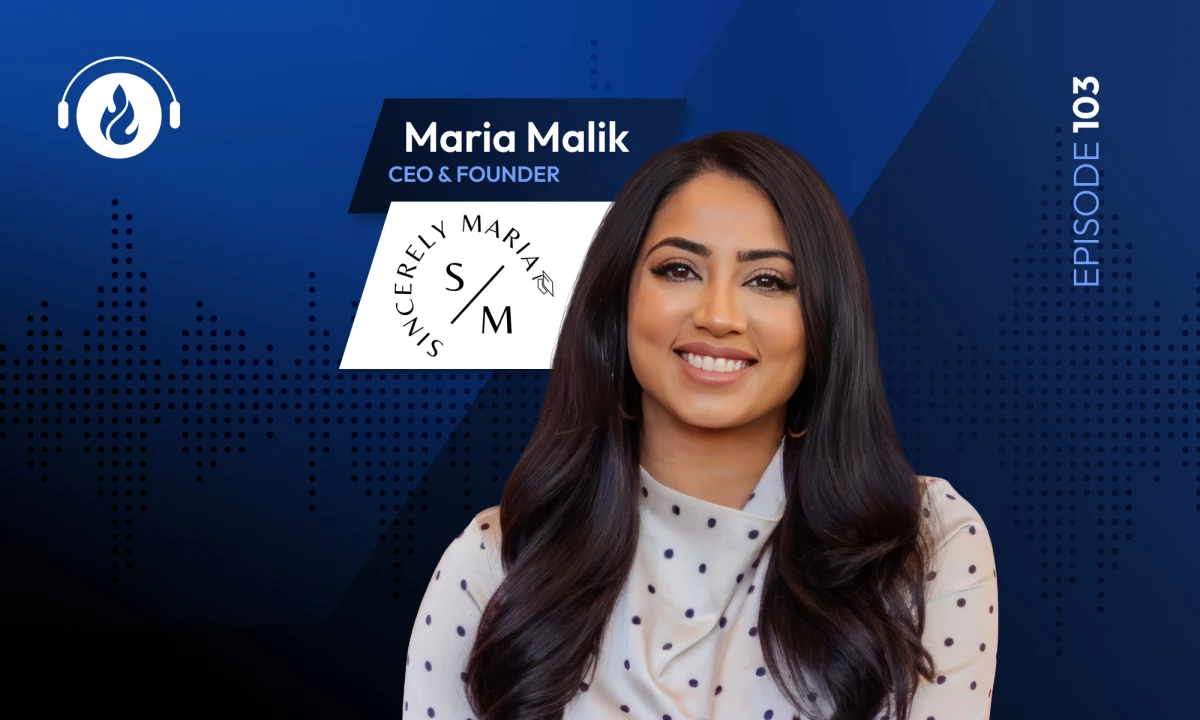
But as Maria Malik, CEO and Founder of Sincerely Maria, shares in episode 103 of the DesignRush Podcast, true leadership communication is built.
She puts it simply: “Public speaking isn’t about being loud. It's about being heard.”
Malik went from introvert to six-figure content creator, and now coaches C-suites and founders to speak with purpose, lead through clarity, and connect with teams on a human level.
Listen now on YouTube or Spotify and Apple podcasts to learn how to lead with your voice, even if it shakes.
1. Shift from Talent to Consistency
You don’t need to be a natural speaker. You just need to keep showing up.
“Consistency beats everything else. It beats talent. It beats hard work. It beats everything,” Malik explains.
Why? Because when people see you regularly, they start to remember you and trust you.
It’s about being present often enough to matter. That’s how Malik grew her personal brand: by committing to steady, imperfect content that kept her in the conversation.
2. Treat Communication as Strategy, Not Soft Skill
Communication is how culture scales. Malik helps executives see public speaking as a core leadership skill:
“The struggle is what shapes your business... If you're not failing, you're not growing,” she says.
Malik points out that the words leaders choose can set the tone for an entire organization.
When communication is clear and intentional, it can rally teams during challenges, keep morale steady, and ease the friction that slows progress.
Speaking isn’t just about sharing updates, but also steering the business toward its goals.
3. Start With Emotional Intelligence
Malik trains leaders to speak with empathy. Instead of chasing a “perfect performance,” she focuses on understanding three things:
- What your team needs to hear
- How your message lands
- When to adapt as the company evolves
Leaders who master this create a culture where people feel safe to speak up, take risks, and grow.
Over time, that trust becomes a competitive advantage because teams move faster and stay more engaged when they know their leaders are truly listening.
4. Coach the Quiet Voices
Malik knows some of the most valuable perspectives come from the people who speak the least.
In one case, she helped a CFO move from reading stiff scripts to delivering a keynote with confidence.
Her approach is simple but powerful:
- Uncover the root of their public speaking fears
- Rebuild trust in their own voice
- Practice presence, not perfection
By unlocking these “quiet voices,” she helps leaders step into the spotlight without losing authenticity and the organization gains a stronger, more relatable communicator.
5. Audit Your Team for Culture Fit
Whether you’re scaling an agency or launching a new brand, Malik stresses the importance of checking in on your internal culture first.
She encourages leaders to ask:
- Does my team match the energy and mission we’re putting into the world?
- Are our leaders modeling clarity and communication every day?
Great messaging starts inside the company. When the internal culture is aligned, the external story becomes stronger, more authentic, and far easier to sustain.

About Maria Malik
Maria Malik
CEO and Founder, Sincerely Maria
Maria Malik is a communication strategist, executive coach, and the founder of Sincerely Maria. A self-described introvert turned influential speaker, she helps founders and executives develop confidence in their voice, lead with clarity, and show up authentically online and onstage. Her frameworks are trusted by growing brands, creatives, and business leaders alike.
Why Clarity and Consistency Still Win in a Noisy World
Leaders often chase trends or wait until “they’re ready” to speak. But influence belongs to those who show up consistently, authentically, and with a message that resonates.
Malik's insights offer a powerful framework for founders, CMOs, and creators ready to lead through their voice, not in spite of it.