-author-avatar_mobile-webp.webp)
Key Takeaways
- Many campaigns fail due to lack of strategy. Start with clear goals before selecting talent and ensure everything ties to what you’re trying to achieve.
- Rigid briefs kill performance and authenticity. Define key messages, but give creators room to deliver them in their own voice.
- Representation isn’t just ethical, it’s strategic. Casting inclusive creators builds trust, improves engagement, and helps your campaign resonate.
Influencer marketing is evolving fast. So fast, most brands are having a hard time keeping up, with many still playing by outdated rules.
Audiences are getting tired of anything that feels staged or inauthentic, and to stand out, campaigns need more than influencers. They need strategy, trust, and purpose baked into one.
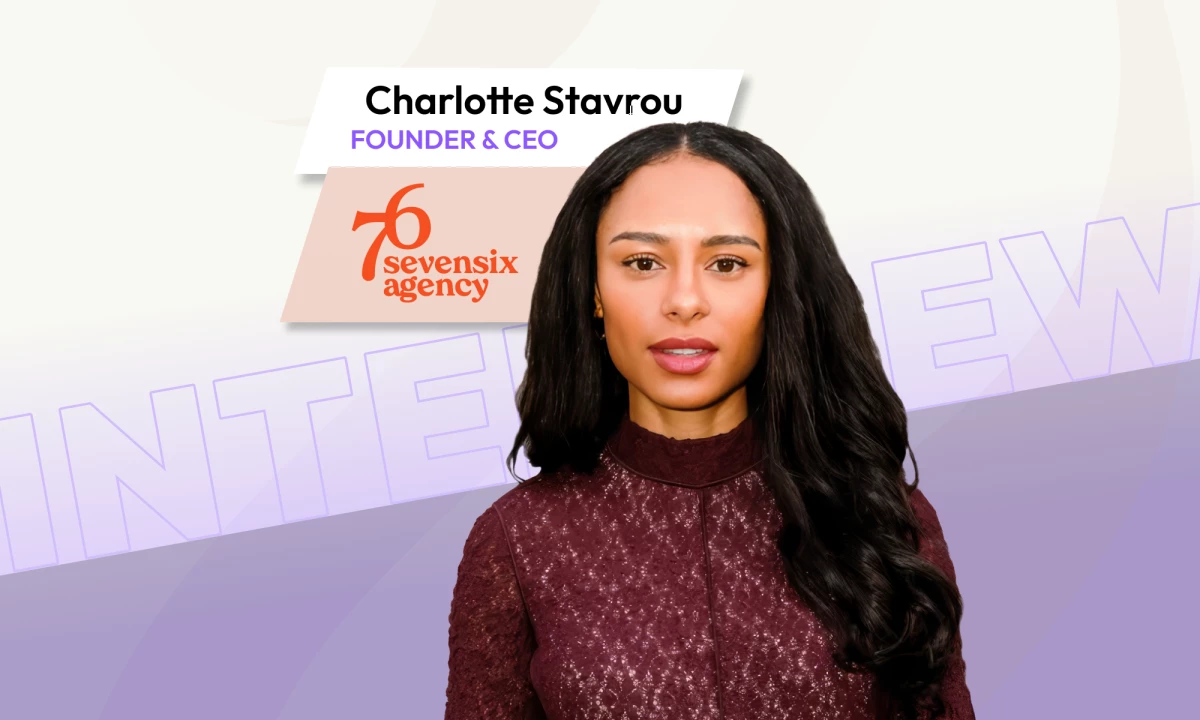
Charlotte Stavrou, Founder and CEO of SevenSix Agency, has spent the last five years helping brands do just that.
Her agency is best known for its work on inclusive, community-driven campaigns that achieve measurable results, balancing creative freedom with commercial outcomes.
In our interview, Charlotte shares the principles SevenSix uses to deliver influencer marketing that works. From creative control to performance tracking, these are the foundations behind some of their most successful campaigns.

Who Is Charlotte Stavrou?
Charlotte Stavrou is the Founder and CEO of SevenSix Agency, a London-based influencer marketing and talent management firm. She advises major platforms like Meta and YouTube on inclusive marketing and has led industry research on influencer pay equity. Her agency is known for publishing data-driven pricing reports that help shape industry standards.
#1: Start With Clear Objectives, Not Just Creators
The first misstep brands often make is confusing talent sourcing with campaign strategy.
According to Charlotte, the process should begin not with finding creators, but with defining what the campaign needs to accomplish.
“We start by aligning on clear goals.
From there, we move into casting, often pulling from our in-house talent or creator community,” she explains.
This goals-first approach anchors every phase of a campaign, from brief development to creative approvals to performance metrics.
“Trying to control the creative too much, chasing vanity metrics... are the big ones,” Charlotte says.
SevenSix avoids this by tying KPIs directly to campaign objectives, whether that’s engagement, conversions, sentiment, or foot traffic.
#2: Let Creators Lead the Creative
If there’s one principle Charlotte emphasizes repeatedly, it’s that when brands over-script influencer content, it falls flat. That’s because the most effective influencer campaigns are those where the creator’s voice comes through naturally.
Audiences are savvy, and they know when creators are just reading a script.
“The biggest challenge is expecting creators to follow a rigid brief that strips away their authenticity.
If it feels like an ad, people scroll past. Brands should keep briefs clear but flexible. Focus on the key messages and let the creator translate them in their own way,” she advises.
SevenSix approaches briefs as an opportunity to collaborate, not as a way to enforce instructions.
That flexibility is often the difference between content that flops and content that gets the job done.
#3: Treat Creators Like Partners, Not Billboards
One of the most common missteps brands make is treating influencers like media space instead of collaborators.
But creators aren’t banner ads.
They're individuals with their own tone, audience, and creative instincts. Failing to recognize that leads to content that feels disconnected and, ultimately, ineffective.
“Most importantly, [an agency] should treat creators like partners, not billboards,” Charlotte says.
Remember: collaboration with creators isn’t a checkbox; it’s a core part of the process.
That relationship-building pays off in more authentic messaging and deeper audience trust.
#4: Cast With Intention and Representation
In the current landscape, casting should also be cultural alignment and relevance.
Representation matters not just ethically, but also strategically. Creators should reflect the audience you’re trying to reach and the message you’re trying to send.
“We always centre authentic storytelling, and we ensure every part of the campaign — from strategy to casting — is representative and thoughtful.”
That mindset shaped one of SevenSix’s most talked-about activations, the PROPER x Barbie The Movie campaign.
Set in a fully immersive pop-up shop in Shoreditch, the campaign was built around the idea that “anyone can be Barbie.”
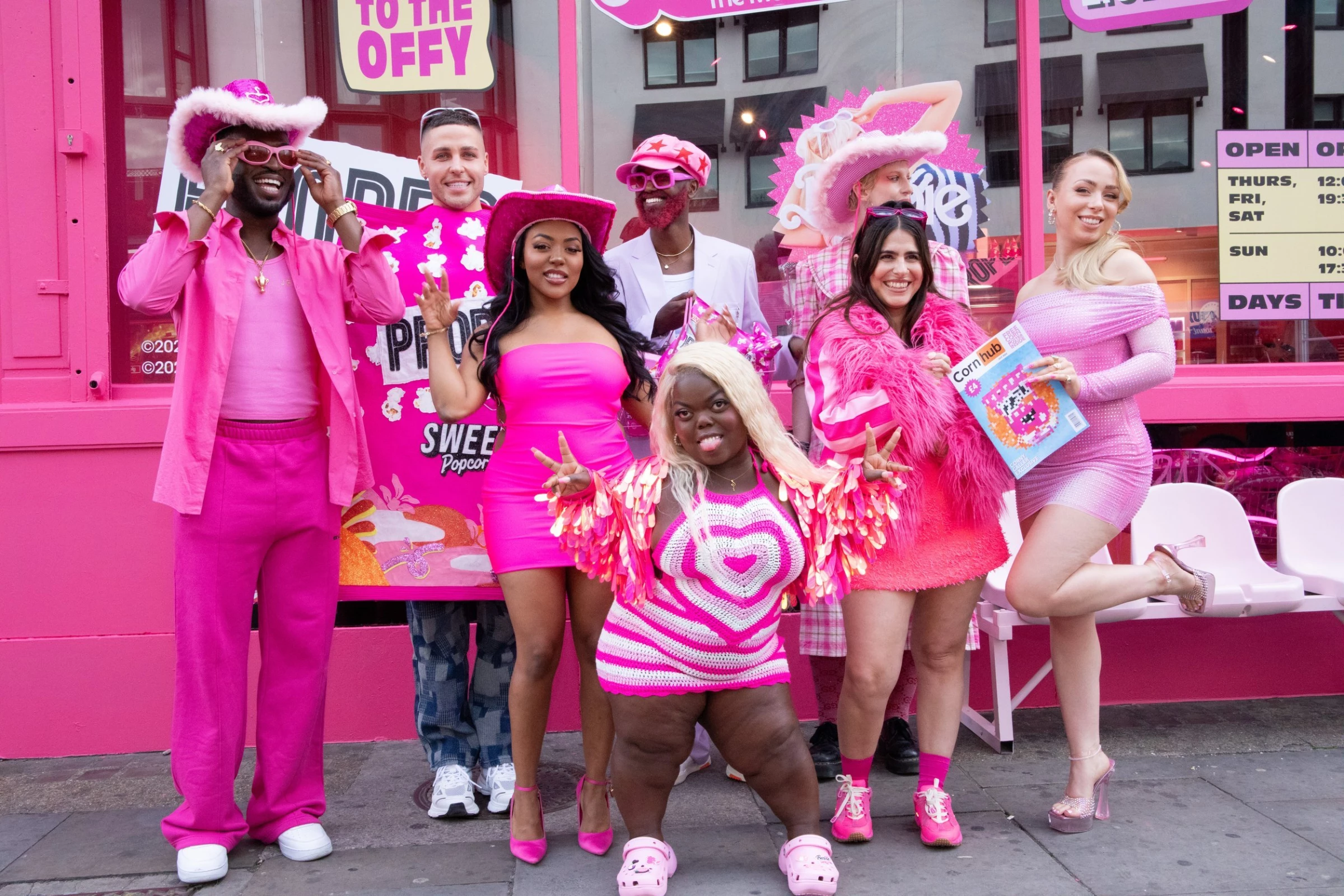
The result? Authentic social buzz, and a community-driven launch party that attracted hundreds of influencers across niches.
“It was inclusive, fun, and genuinely impactful.”
#5: Track the Right Metrics for the Right Campaign
Even well-executed campaigns can fail if the metrics you monitor aren’t aligned with the goals.
Charlotte believes that chasing the wrong metrics can lead brands away from what actually works.
“It depends on the goal. We often look at engagement rate, reach, conversions, and brand sentiment
If it’s a physical activation, footfall and UGC are key too.”
Given this, brands should integrate tracking from the start, not just after launch. This allows them to monitor content performance in real-time and tweak elements mid-campaign if needed.
It also helps clients see the full picture.
For example, the Wild & Precious: Museum of Memories campaign prioritized storytelling and emotional resonance over clicks.
“We focused on storytelling, encouraging influencers to share meaningful memories.
It hit all the right emotional notes while shifting perceptions and sparking important conversations,” she says.
Despite being focused on dementia awareness and prioritizing storytelling, it still managed to achieve a standout 10.5% engagement rate, well over the industry standards.
Adaptability is the Real Secret
As influencer marketing matures, the bar for success is rising. Brands can’t afford one-size-fits-all partnerships or unmeasured impact.
The path forward?
Strategic clarity, creative freedom, and real representation, all executed with discipline.
It’s not about chasing every trend, but building the kind of campaigns that reach culture, audience, and platform shifts.
As Charlotte puts it, “We’re seeing more brands tying influencer work into wider campaign strategy, which is something we always push for.”
The best campaigns aren’t locked in a brief, instead, they’re built to adapt and evolve.
-author-avatar-webp.webp)