
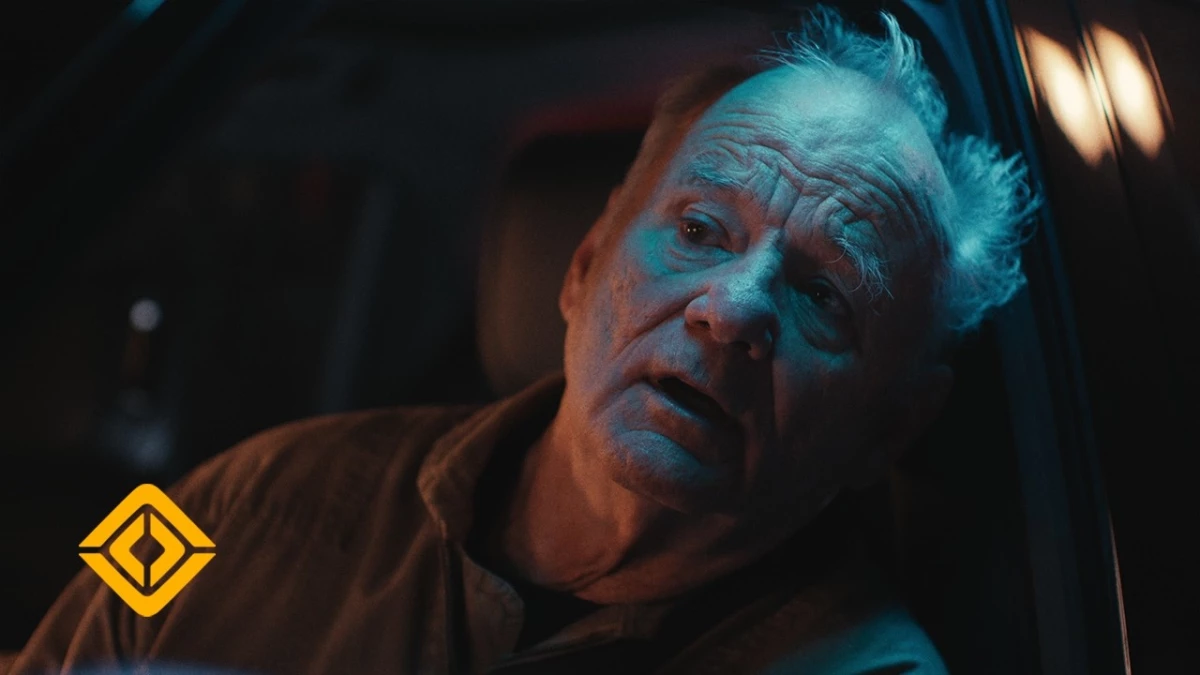

Rivian got Bill Murray back in the jumpsuit as Peter Venkman to bust Slimer one more time.
The ad’s real product is a free software update that converts Rivian EVs into Ghostbusters rides through November 2.
For Halloween, the EV maker teamed up with Sony Pictures and put a custom R1S called the "Ecto-R1" at the center of the campaign.
The campaign was created in-house by Rivian and produced with Bob Industries.
Gil Kenan, who co-wrote "Ghostbusters: Afterlife" and directed "Ghostbusters: Frozen Empire," directed the spot.
Matt Soldan, head of creative studio at Rivian, said working with Murray and Kenan raised the campaign's quality.
"Gil knows this world better than anyone as both a writer and director," he said.
"The shoot was so much fun, then having him celebrate the launch with us in New York and drive around the city in the Ecto-R1 was something else."
Soldan also highlighted the decision to use an old-school Slimer puppet and in-camera effects to stay close to the original films.
The creative team saw an opportunity to bring the fictional vehicle into the real world.
What began as sketches of Rivian vehicles dressed up as the Ecto-1 grew into a custom build by its Special Projects team.
The Ecto-R1 comes with red graphics, the No-Ghost logo, sirens, spotlights, and a radar dish, all inspired by the original.
A physical build gives Rivian's stores a real car that fans can photograph, which stretches the experiential marketing past the ad's 70-second run.
A Ghostbusting Tool Giveaway
In the hero spot, Slimer invades a family’s refrigerator in the wee hours of Halloween eve.
Having detected the Class 5 Full-Roaming Vapor, Murray pulls up to the scene in the Ecto-R1 to stop it.
He then blasts a special ray that captures the ghost and traps it inside the EV's hood.
As Murray secures the hood, his hands get covered in ghost slime, as the screen reads: "Ghostbusters Halloween Mode. Only on Rivian."
Besides the ad, the campaign's main extension is a software update available from October 9 to November 2.
Rivian owners can activate Ghostbusters-inspired exterior lights and sounds, and give the vehicle’s voice assistant a spooky makeover.
While parked, they can also play a Mini-Puft-themed arcade game.
A dedicated Ghostbusters app adds themed lighting sequences and a scavenger hunt for characters hidden across the vehicle’s displays.
Overall, the update puts the movie’s details inside the customer experience, giving owners something to explore and play around with.
Rivian is also taking the collaboration off its vehicles’ screens.
Ecto-R1 displays, merchandise, and themed events are planned at Rivian retail locations across the United States.
The Ecto-R1 will also appear at events such as New York City’s Village Halloween Parade.
"With our software we can really have fun," Soldan said, explaining why Halloween offers an opportunity for the company to explore ideas outside conventional automotive advertising.
The efforts build on Rivian’s annual Halloween programming, which featured Swamp Thing last year and "Knight Rider" and "Back to the Future" in 2024.
A yearly Halloween drop gives Rivian a standing co-branding slot that it can pitch to studios with a franchise release on the calendar.
Sony gets Ghostbusters back in front of fans ahead of "Ghostbusters: Night Shift," an animated Netflix series that Kenan is executive producing for 2027.
The Marketing Value of a Software Update
The latest campaign strategy also fits into Rivian’s wider business priorities.
The company reported $1.658 billion in second-quarter 2026 revenue, a 27% increase year over year.
Its software and services segment generated $515 million of this, though about 60% came from Rivian’s joint venture with Volkswagen Group.
Halloween Mode itself is free, so Rivian’s return comes from owner engagement and the pitch that its EVs keep getting better after purchase.
Ultimately, Rivian’s Ghostbusters collaboration proves that automakers can use software to give customers new reasons to engage with their vehicles.
Here’s what marketers can learn:
- Make the product part of the entertainment: Rivian gives Ghostbusters fans interactive features inside their vehicles, linking the promotion to something customers already have.
- Give existing customers a reason to return: A limited-time update offers owners a fresh experience without requiring them to buy another vehicle or accessory.
- Connect digital campaigns with physical experiences: Rivian carries the same concept from its commercial into vehicle software, retail displays, and public events.
Over-the-air updates give car brands a customer retention channel that sits in the driveway every day of the year.
Our Take: Can Pop Culture Nostalgia Drive Interest in Rivian?
Ghostbusters gives Rivian access to decades of affection for a fictional car, and that's something most automakers can't achieve easily.
The Ecto-1 is so recognizable that the Ecto-R1 needs very little introduction.
And Bill Murray's return gives longtime fans a reason to keep their eyes glued to Rivian's socials.
But nostalgia marketing can only carry a campaign so far.
Plus, the free update only reaches existing owners, so the six Ecto-R1 showroom nights are where new buyers walk in.
Rivian logged a record 57,000 demo drives last quarter, so an R2 test drive should be parked right next to every Ecto-R1.
If fans leave a Ghostbusters night with a demo drive booked, the automaker got its money’s worth from Sony.
Looking to build campaigns that don’t rely on starting from scratch?
Explore these top brand strategy agencies in our directory to turn existing equity into something that still lands.