
Pure Leaf Experiential Takeaways:
- Most people know they need a break, but actually taking one? That’s the hard part. Pure Leaf turned that tension into something people could feel, not just scroll past.
- Swapping your phone for a few quiet minutes might sound simple, but it hits deeper than expected. That small pause became a powerful moment of calm.
- The best campaigns don’t just show up — they shift something. When you build from real insight, you create something people remember.
Nearly 3 in 5 employees experience negative impacts of work-related stress, according to a 2023 study by the American Psychological Association.
An additional 43% say they don’t feel they can take adequate breaks throughout the day.
That tension, between knowing a break is good for us and actually taking one, is the cultural insight behind Pure Leaf’s latest campaign, “The Break Machine.”
The campaign invited people to trade in their phones for a few mindful minutes and a bottle of iced tea, creating more than just a photo op.
It became a visceral, shared experience that challenged the always-on mindset and reframed the idea of a break as a radical, restorative act.
I spoke with Sarah Hammer and Mimi Su, senior marketing directors at the Pepsi Lipton Partnership, about the insight behind the activation, how they pulled it off, and why cultural tension is a creative asset, not a risk.

Who are Sarah Hammer and Mimi Su?
Sarah Hammer and Mimi Su are the senior marketing directors of the Pepsi Lipton Partnership, with a combined 34 years of experience building consumer brands globally. Formerly at Unilever, they’ve led campaigns for household names and are known for driving award-winning creative, including two Super Bowl commercials that blended strategic insight with emotional impact.
When Social Experiments Outperform Social Posts
Most brands launch campaigns built for platforms. Pure Leaf designed one built for people, and then let the platforms follow.
The “Break Machine” campaign is a controlled, real-world experiment in behavior change.
The idea? Invite people to trade in their phones for 10 minutes of stillness and a bottle of iced tea.
In a world that treats constant connection as productivity, that’s a bold move.
“Everyone says they need a break, but taking one? That’s the real challenge. The Break Machine turns that insight into action — exchanging your phone for a revitalizing Pure Leaf Iced Tea,” Mimi explains.
“It’s not just a stunt; it’s a social experiment that proves how difficult it is to unplug, even for a few minutes. More importantly, it reveals the meaningful difference a short break can have on your day.”
Rather than pushing a product message, Pure Leaf created an experience that proved the brand’s point visibly and emotionally.
The brand didn’t just tell people that breaks matter. It also showed them what they’re missing.
Creating Discomfort (and Trust)
It’s easy to talk about unplugging. It’s harder to ask people to actually do it, especially when they’re standing in public, unsure of what’s next.
But Pure Leaf leaned into that discomfort intentionally. The friction was the message.
Sarah acknowledges this head-on:
“We know that separating participants from their phones would be the trickiest part of the experience to navigate. But that’s the point, asking for phones forces people to confront just how hard it is to take a distraction-free break.”
To get people to say yes, Pure Leaf designed an environment built on transparency and respect.
The request wasn’t just clear; it was limited, and framed as an act of care.
“The key was building trust: clear communications, short duration, and creating a safe, positive, and respectful experience. Once people understood it was only 10 minutes, they embraced it and let go, all while enjoying a revitalizing Pure Leaf Iced Tea.”
And once people did, something surprising happened: they didn’t want to go back.
“One participant was hesitant to give up their phone, they were nervous about not being able to respond to messages from their family and boss,” Sarah shares.
“But as they went through the experience, they slowly sipped their Pure Leaf iced tea and relaxed. By the end of their tea break they didn't want their phone back and asked for a few more minutes to themself. They brushed off the need to be always-on and left the activation feeling revitalized and refreshed.”
The Right Metrics for the Right Moment
Many brands measure success by impressions, video views, or reach. But Pure Leaf has a different benchmark: emotional clarity.
This campaign wasn’t about selling a product on screen. It was about creating a real-world pause that could ripple into someone’s routine, and eventually, their values.
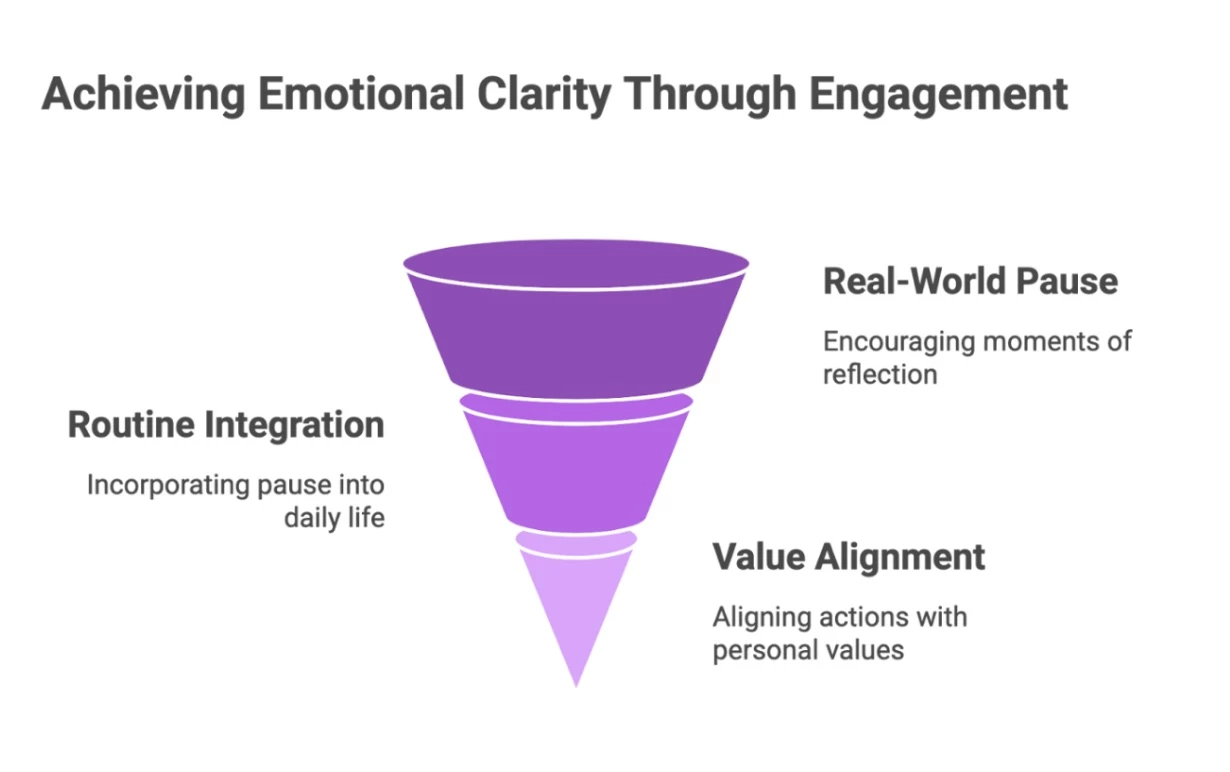
“[M]ore than numbers, success looks like viewers saying to themselves, ‘wow, that’s exactly what I need.’
That kind of self-reflection is what will begin shifting culture and inspire more people everywhere to take a tea break with Pure Leaf,” Mimi explains.
Instead of just going viral, Pure Leaf wants to go deeper, inspiring audiences to think twice the next time they reach for their phone instead of pausing.
Why Real-World Experience Still Wins
Digital content may be easier to scale, but real-world experiences are harder to ignore.
That’s why the Break Machine was never meant to live online alone.
The brand knew that a physical moment could spark more meaningful digital engagement than a purely virtual campaign.
“The Break Machine was real, relatable, and built to be shared online. In this instance, it’s the combination of real world and digital that works for us — this one bold physical moment can potentially fuel weeks of social content and conversation,” Mimi explains.
What made the moment work wasn’t just the set design or the iced tea. It was the brand’s history of consistency.
“It also helps that Pure Leaf has an authentic passion and proven track record of advocating for people to take a break.”
That credibility made the campaign feel less like a marketing gimmick and more like a public service announcement — one that just happened to come with tea.
Advice for Brands Taking the Non-Traditional Route
The most effective campaigns start with a feeling. For Pure Leaf, that feeling was the cultural tension between wanting rest and not allowing it.
That insight became the foundation for a campaign that sparked action without ever asking people to buy.
Sarah shares the team’s approach:
“Start with a human truth, something your audience feels but rarely says out loud. Then build a bold idea around it that invites participation. And don’t forget: the best ideas don’t just entertain; they make your brand more useful and relevant in people’s lives.”
That last point about usefulness is key. It’s what separates interruption from value, and what helps ideas turn into habits.
Choosing the Right Agency Matters
Great creativity isn’t just about ideas. It’s about the collaboration required to bring those ideas to life under pressure.
For a campaign built on emotional tension, cultural insight, and public interaction, Pure Leaf needed a creative agency that could think strategically, act boldly, and execute with care.
Mimi explains why Edelman was the right fit:
“They brought the right mix of strategic insight, creative bravery, and social-first thinking, exactly what we needed to pull off something as unexpected as the Break Machine.
When choosing partners, we look for teams who aren’t only great at ideas, but also deeply in tune with what people care about right now.”
That alignment helped transform a simple idea into a brand experience people genuinely wanted to talk about.
Edelman’s Perspective
What does it take to build a campaign that earns both attention and trust?
Jesse Suchmann, executive creative director at Edelman, believes it starts with shared curiosity.
“Edelman and Pure Leaf have worked together for years, building a lot of trust — but what made this campaign special was taking the time, together, to really listen to the cultural conversation and find something real, relevant, and worth adding.”
His advice to teams looking to replicate that success?
“For smaller agencies: same idea. Start with one honest insight, then answer it with an idea strong (and clear) enough to survive the production rollercoaster.”