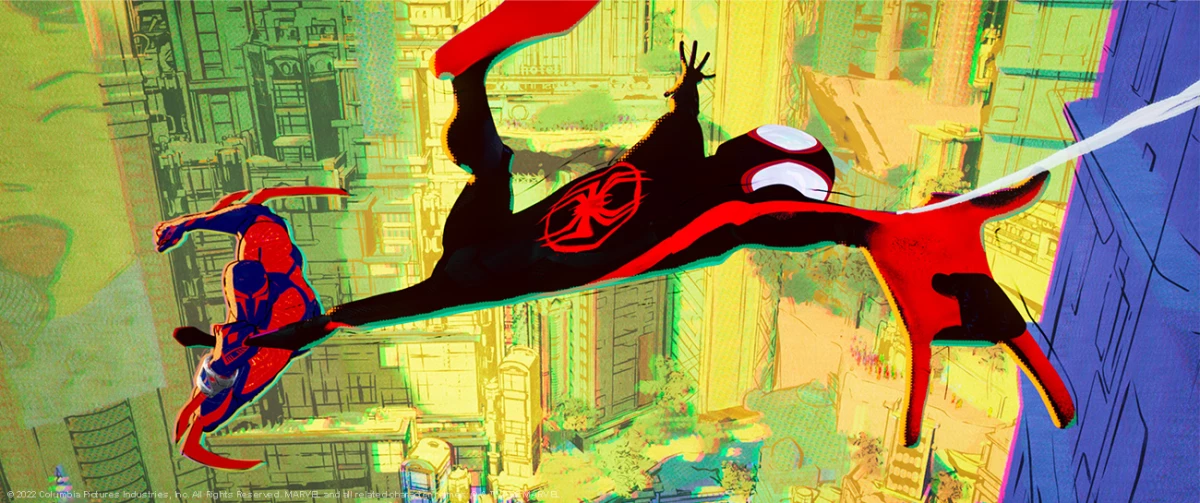

Chris Miller, producer of critically acclaimed animated films "Spider-Man: Into the Spider-Verse" and its sequel "Spider-Man: Across the Spider-Verse," has made a definitive statement regarding the future of AI in the Marvel franchise.
According to Miller, "no generative AI" would ever be used in the upcoming third installment in the series, "Beyond the Spider-Verse," expected to be released next year.
This ensures fans that the film and its visual style will remain artist-driven.
There is no generative AI in Beyond the Spider-Verse and there never will be. One of the main goals of the films is to create new visual styles that have never been seen in a studio CG film, not steal the generic plagiarized average of other artists’ work. https://t.co/t4tSUWCg4u
— Christopher Miller (@chrizmillr) June 1, 2024
The statement comes in response to comments made by Sony Pictures Entertainment CEO Tony Vinciquerra, who informed investors on May 30 that the studio is exploring more efficient production methods for both films and television.
Vinciquerra expressed considerable interest in AI, which worried fans of the Spider-Verse series, prompting one fan to share an open letter to Sony Animation, concerned that generative AI could threaten animators’ jobs and compromise the film's artistic merit.
Miller was quick to respond and reassure the user and all Spider-Man fans that generative AI will have no part in the Spider-Verse threequel.
Human Artistry vs. Generic AI
Miller’s stance draws a clear line between generative AI and human-made animation, underlining one of the film's primary goals, which was to "create new visual styles" never before seen in a studio film.
He compared this to AI, which the producer defined as a generic average of work that is plagiarized or stolen from other artists.
Online graphics and image marketplace Vecteezy CEO Shawn Rubel partly shares Miller's sentiments, highlighting the industry-wide debate over the use of generative AI.
“It’s really difficult to argue that generative AI doesn’t have a place in the future of creative content and our industry," Rubel said in an interview discussing whether AI art is innovation or plagiarism.
"To that end, we feel there’s absolutely a place for it, but we don’t want to emphasize AI-generated content over real photography and artistic talents.”
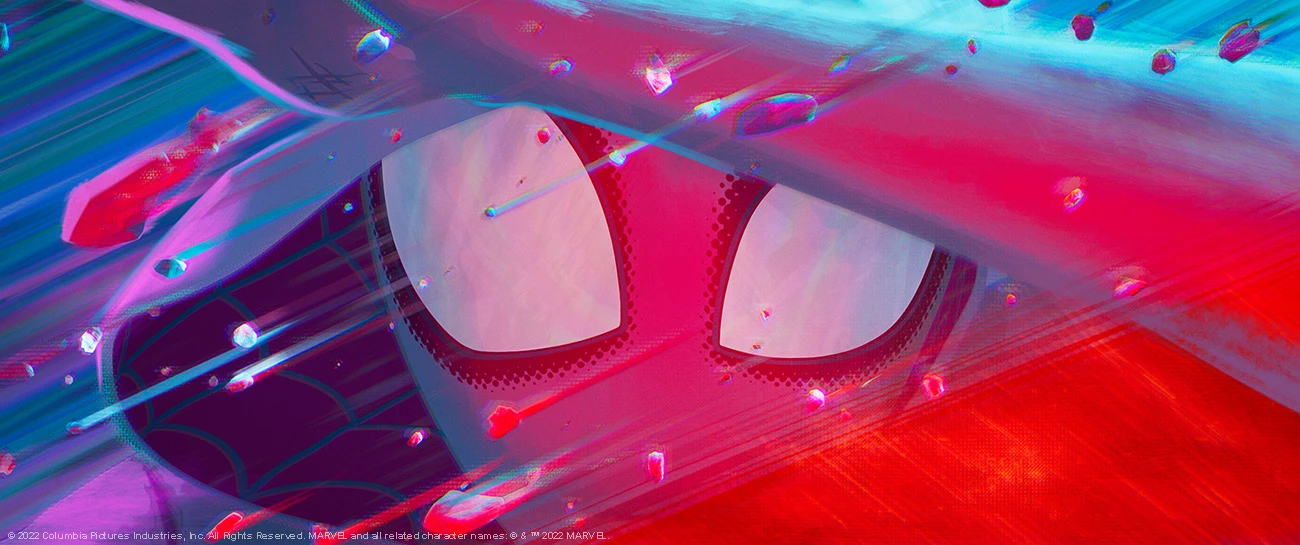
The first two films in the Spider-Verse trilogy have been celebrated for their revolutionary animation techniques that blend various styles to create a vivid, comic book-inspired look.
This commitment to maintaining human artistic integrity is a key aspect of the franchise's identity and its financial success.
Protagonist Miles Morales' first journey "Into the Spider-Verse" was a modest box office success that made roughly $384 million.
However, word of mouth and stellar reviews led to its sequel earning over $690 million at the box office, not including the franchise's impressive merchandising sales.
Both films are also praised for their unique storyline and characters.
As artists and animators navigate between technological advancements and artistic expression, the Spider-Verse team's approach is a model for exceptional animation, which is certainly human-made.
READ NEXT: Netflix Drops Release Date for New Tom Raider Series
Editing by Katherine 'Makkie' Maclang