
Key Takeaways:
- Emerging trends like adaptive audio and immersive experiences are shaping the future of audio marketing
- Brands only have two senses to engage — they must make it count
- A brand’s sound must remain consistent across all platforms for strong recognition
Yes, every brand has a voice — but very few use sound to create an emotional connection.
Think of iconic sounds like Intel’s chime, McDonald’s jingle, and Netflix’s "Tudum" — these aren’t just noises; they evoke emotion and cement brand loyalty.
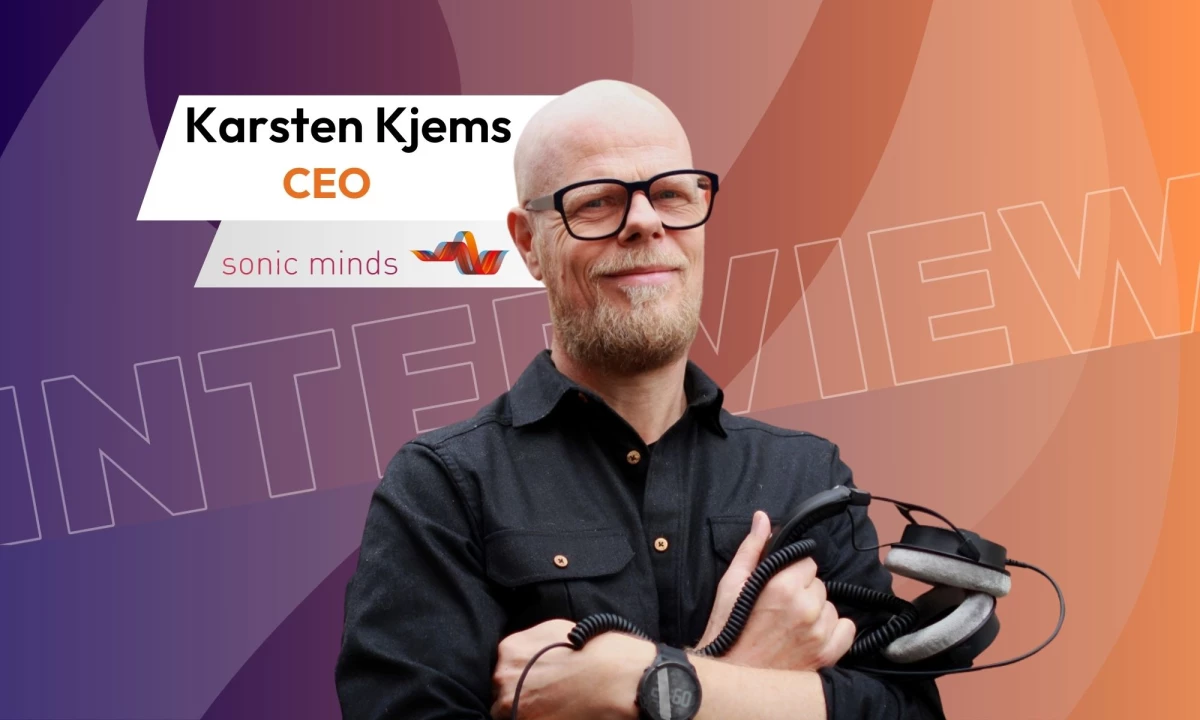
Karsten Kjems, CEO of Sonic Minds, knows sound is more than a gimmick — it’s a strategic asset.
As Karsten says, sound grabs attention instantly, taps into deep emotions, and reinforces brand recall at a subconscious level.

Who Is Karsten Kjems?
Karsten is a leading expert in audio branding with over 20 years of international experience. He founded Sonic Minds in 2004, pioneering strategic sound and music for brands. With a background in jazz drumming and software development, Karsten has worked with global clients to refine their brand identities through sound. He’s a sought-after keynote speaker and educator, with his expertise featured in books and lectures. Karsten is widely recognized for shaping the field of audio branding and its role in enhancing customer experiences.
Karsten has spent years mastering the science and art of sonic branding. He recognizes that sound is a tactical branding asset.
“Sound is an emotional medium, and getting it right requires a combination of creativity and strategic thinking,” he notes.
Step one is defining the brand’s sonic personality — should it feel warm and welcoming? Futuristic and innovative? Trustworthy and reliable?
“This helps guide the choices in melody, instrumentation, and rhythm,” Karsten explains.
The Psychology Behind Sonic Branding
While visual identity needs attention to be noticed, sound works passively — reaching people even when they are not looking.
This is why sound is a particularly powerful tool, Karsten says.
Brands only have two senses that they can engage; tapping the right sound can evoke trust, excitement, or nostalgia long before consumers even see a logo or tagline.
“A sonic identity is not just an audio logo or a piece of music; it’s a flexible design system of sound and music create consistency, coherence, and emotional engagement.”
For example, McDonald’s and Intel have built multi-billion-dollar brand recognition on just a few notes, proving that a well-developed sonic identity is just as powerful as a visual logo — if not more.
However, Karsten has seen that many brands treat sound as an afterthought, focusing on visuals first and then trying to add music or sound elements at the last minute.
This typically leads to inconsistency or weak execution — which is why sound should be an integral part of branding from the start.
Also, don’t use generic stock music.
“A brand’s sound should be just as ownable as its logo — something that consumers immediately associate with them. Companies also tend to overlook the audio user journey and sounds in their app and products, forgetting that sound should enhance interactions rather than annoy users,” Karsten points out.
So, how can brands overcome these issues? The answer: strategic use of sound, testing, and consistent implementation.
Turning Sound Into Brand Equity
The impact of strategic sonic branding isn’t hypothetical, it’s measurable.
Tabii, a new global streaming service made by TRT, Turkish national TV, needed a sound that matches its brand, boost user experience, and reinforce brand recognition.
So, Karsten’s team partnered with Saffron Brand Consultants to design an audio identity, audio logo, a flexible brand track system, and clear guidelines for how sound should be used across various touchpoints.
“The goal was to ensure that Tabii had a cohesive and recognizable sound no matter where users encountered the brand,” Karsten says.
The result? An award-winning sonic identity that improved brand presence and the overall user experience.
But, the key to effective sonic branding is consistency — especially since consumers now interact with apps, podcasts, social media, in-store experiences, etc.
If a brand sounds different on every platform, it creates confusion instead of recognition.
“Every brand has a unique identity, and the sound should reflect that. The process starts with understanding the brand’s values, mission, and personality. This means defining what key attributes and emotions the sound and music should evoke,” Karsten explains.
The takeaway? The sound should remain familiar, whether a customer is watching an ad, using an app, or walking into a store.
The Future of Branding Is Sonic
Sound is set to play an even larger role in branding as the use of voice technology, AI, and immersive digital experiences increases.
Karsten says there is so much untapped potential in sonic branding.
“Industry leaders can work together to develop best practices, invest in research on how sound affects consumer behavior, and explore new ways to use adaptive and interactive sound. The more we collaborate and share insights, the more we can push the industry forward.
Sound is one of the most powerful tools we have to create emotional and memorable brand experiences. The brands that recognize this and invest in sonic strategy will be the ones that stand out in the years to come,” he concludes.
A big trend now is adaptive audio, which adjusts in real-time based on the user’s environment or interaction. “Sonic wellness” is also an interesting field, where brands use sound for relaxation and focus.
The future of branding is sonic — those who leverage sound will shape the brands of tomorrow.