
Porsche is introducing its brand to children years before they can drive.
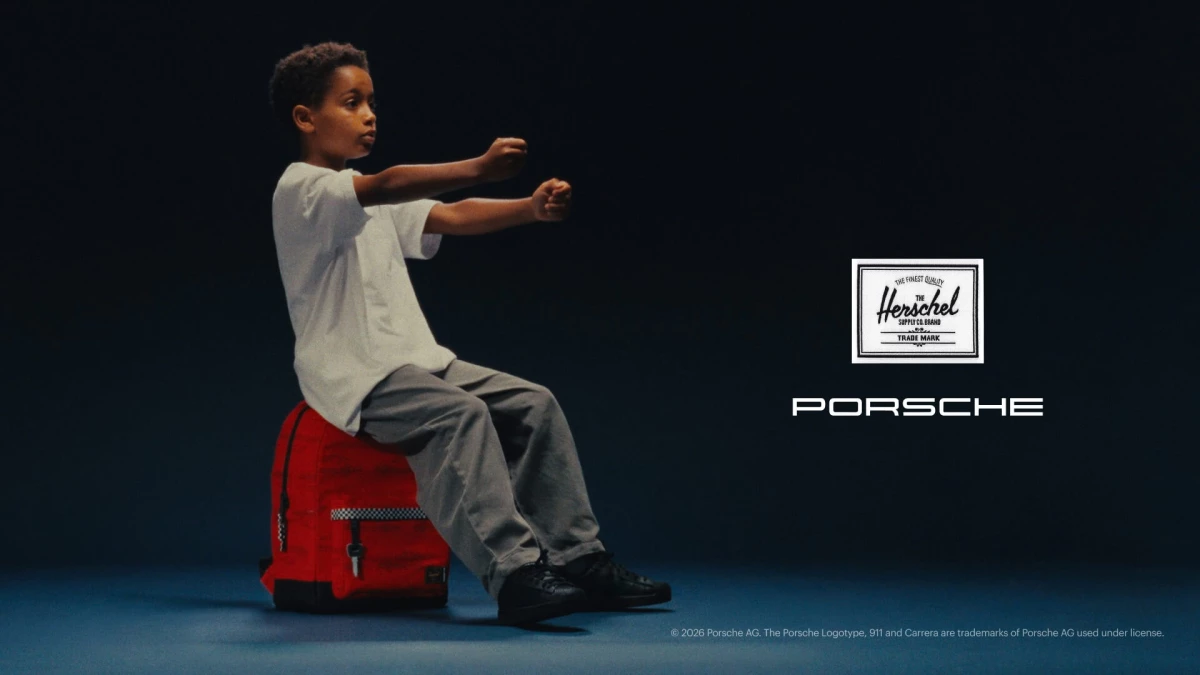
Its latest collaboration with Herschel Supply puts the automaker's racing identity on everyday kids' accessories.
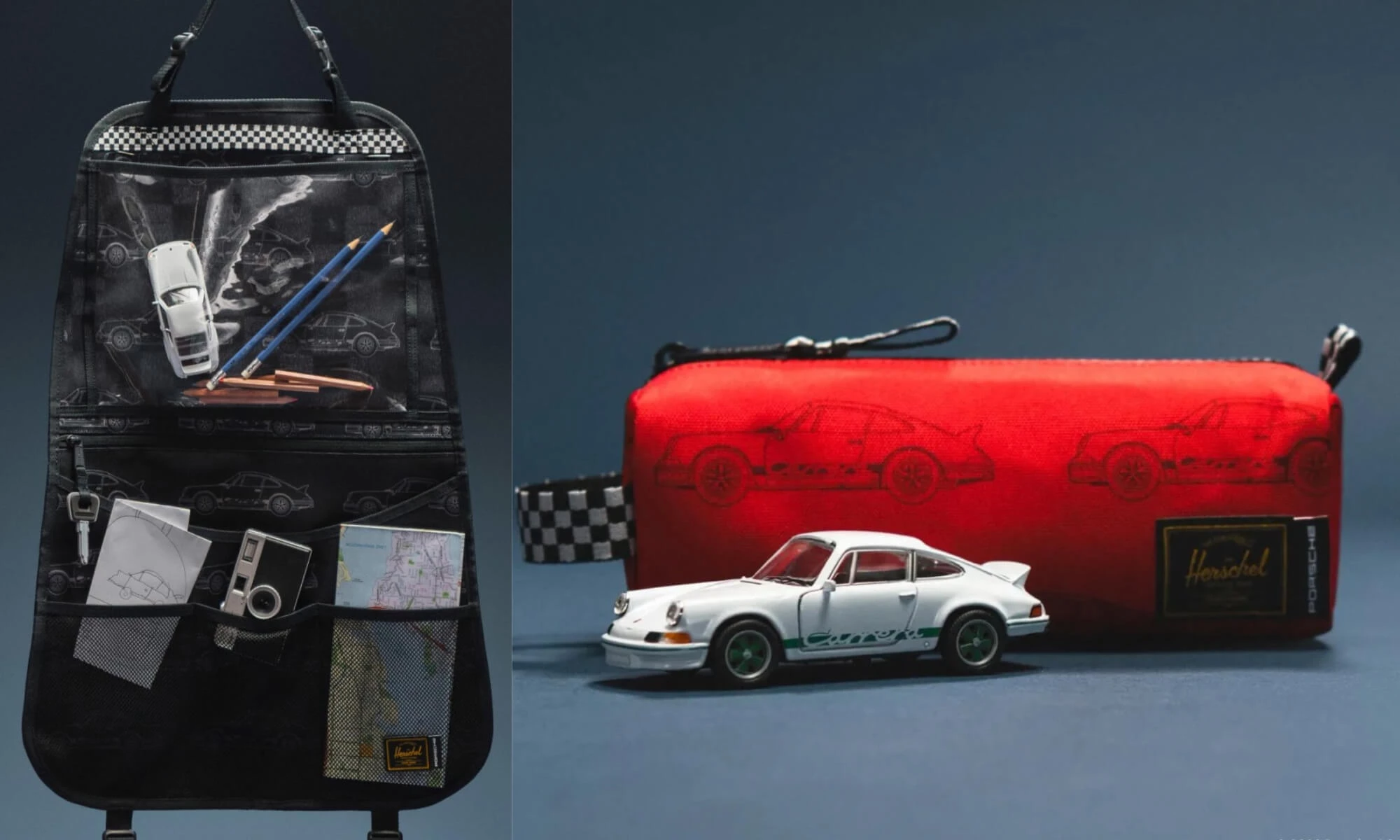
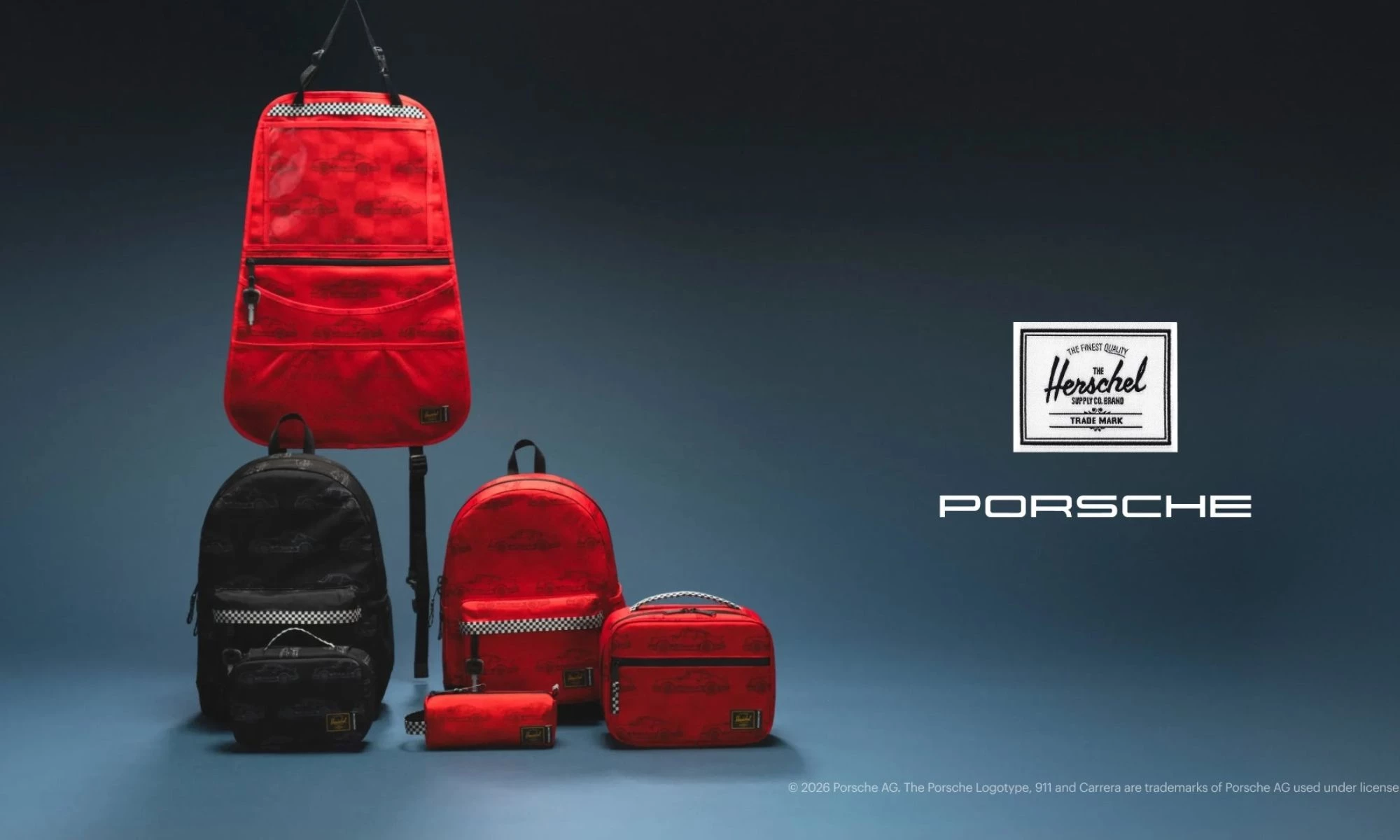
The limited-edition collection introduces two new products, a Porsche Snack Pack and a Porsche Back Seat Car Organizer.
Both feature Carrera racing details, including checkered accents and a silicone Porsche key zipper pull. Prices range from $30 to $65.
Available in Carrera Fiery Red and Carrera Black, the collection also features an illustration of the Porsche 911 Carrera RS 2.7.
Herschel Supply's in-house design team created the sketch.
The collaboration adds a third product category to Porsche's recent youth-focused partnerships.
Porsche already worked with children's fashion label Bonpoint and scooter specialist Micro.
Deniz Keskin, Porsche's Director of Brand Management and Partnerships, linked the Bonpoint launch to the toy-car years of a future Porsche fan.
"From the first miniature car to the first rally jacket, Porsche brings to life dreams that begin in childhood and evolve," Keskin said of the Bonpoint collaboration.
The latest partnership launches on Nov. 3 at Herschel Supply stores, herschel.com, and select retail partners.
Shoppers in Canada get the limited-edition drop a month later, on Dec. 2.
The collab gives Porsche another way to introduce its identity before children become potential car buyers.
Porsche used its licensing agency, CAA Brand Management, to broker its earlier kids' deals with Micro and Bonpoint.
The agency helped Porsche pick Bonpoint for its lead in luxury children's wear and its record of turning brand stories into premium products.
Brands eyeing a new audience can hire a licensing agency to vet partners whose products already sell in that category.
3 Partnerships Put Porsche in Kids' Daily Lives
Porsche's three product partnerships cover clothing, scooters, and everyday travel accessories.
Each gives the automaker access to a different part of childhood.
The first partnership arrived in 2025 with Swiss mobility brand Micro.
Its Porsche GT3 RS Edition collection includes three products: a balance bike, a scooter for children ages 2 to 5, and a larger Micro Kickboard model.
The products feature Porsche branding, illuminated logos, and design details inspired by the GT3 RS.
In March 2026, Porsche introduced My First Porsche with French children's fashion label Bonpoint.
The collection translates the 911's racing heritage into children's apparel and accessories.
Its products include jackets, sweaters, polo shirts, bags, caps, and socks.
Racing-inspired patches and checkered details connect the collection to Porsche's visual identity.
Herschel adds another category through products designed for family travel.
Its transparent screen pocket, mesh storage compartments, and insulated snack compartment make it a practical collaboration.
Porsche also used entertainment partnerships to introduce its identity to younger audiences.
In June, it revealed three one-of-one 911 models inspired by Woody, Buzz Lightyear, and Jessie from Disney and Pixar's "Toy Story 5."
In June, it revealed three one-of-one 911 models inspired by Woody, Buzz Lightyear, and Jessie from Disney and Pixar's Toy Story 5.
The cars were created through Porsche's Sonderwunsch customization program.
Porsche hands each category to a maker that already owns its shelf, so parents judge the product on its own merits.
Brand Licensing Reaches $389.8B
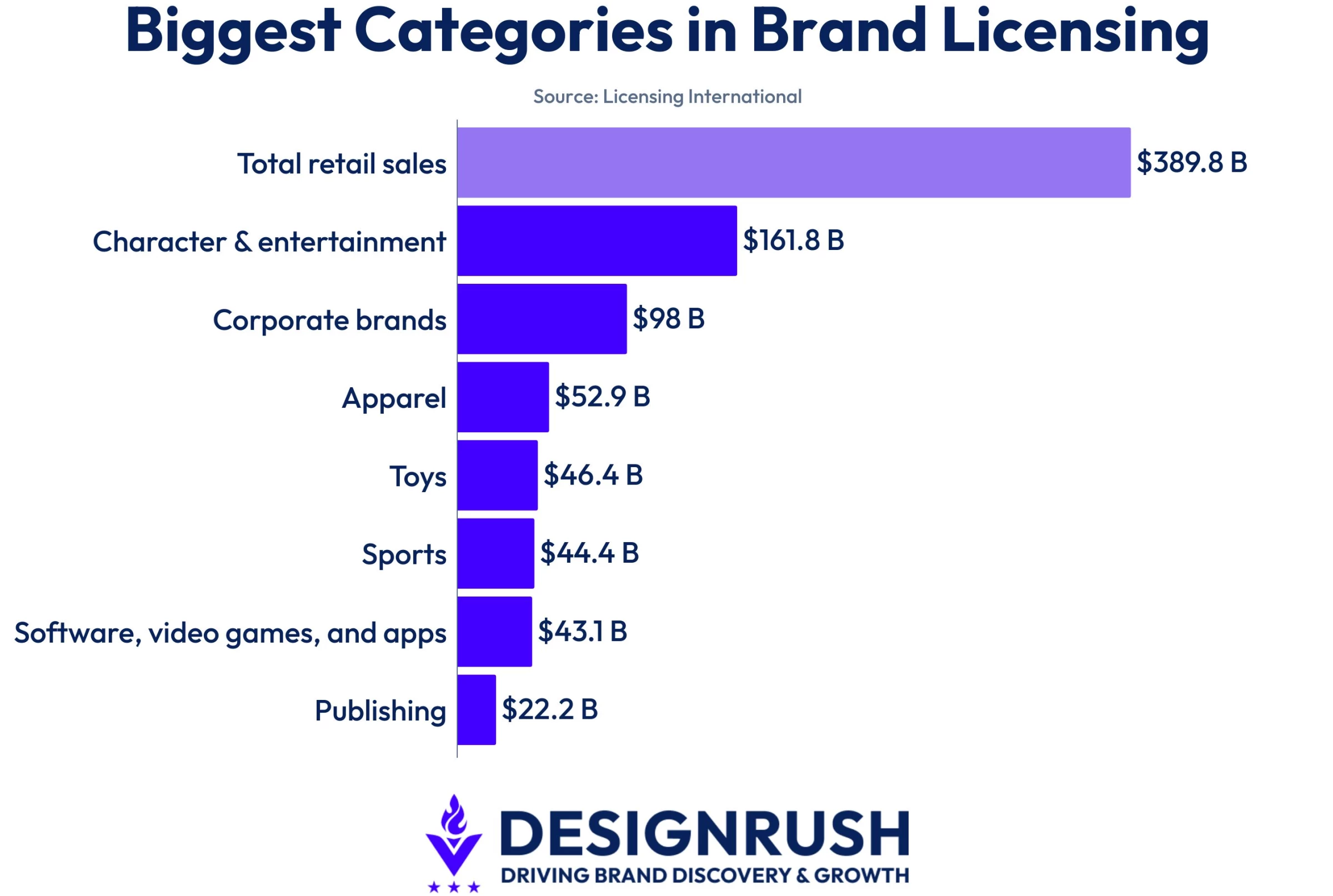
The global licensing industry generated $389.8 billion in retail sales in 2025, up 5.45% year over year, according to Licensing International.
Corporate brands accounted for $98 billion in licensed sales, while apparel generated $52.9 billion and toys reached $46.4 billion.
Licensing is a substantial commercial opportunity for agencies.
But the strongest partnerships need a clear route into relevant product categories and retail channels.
These figures point to three considerations for agencies developing brand strategies:
- Brand licensing opens new product categories. Agencies can match brand credibility with consumer demand and qualified partners.
- Apparel and toys offer strong licensing potential. Agencies should weigh category demand, audience fit, and product relevance.
- Specialist partners expand commercial reach. Agencies can connect brand strategy, partner selection, and distribution.
Licensing strategies should always connect brand recognition with relevant products, capable partners, and clear commercial goals.
Our Take: Can Kids' Accessories Build Future Car Buyers?
Herschel's organizer and snack pack put Porsche details into family travel routines.
Children encounter the branding through objects they can use independently.
We'd put kids' accessories in the yes column for future Porsche buyers, as long as the organizer stays in the car after the novelty wears off.
But Porsche's premium reputation creates expectations that a licensed accessory must meet.
A recognizable logo can't compensate for a product that feels poorly made or unnecessary.
We see an opportunity for agencies to treat product use as part of brand strategy.
A licensing partner should contribute category expertise and a product people would consider buying without the licensed branding.
Brands that hire agencies to enforce this standard can earn attention early and keep credibility as young fans grow into customers.
M&M's is courting the same young fans through its Marvel collaboration, which put collectible packs on shelves ahead of "Avengers: Doomsday."
Brands looking to reach new audiences through licensing need partners who understand both the product category and the brand's identity.
Explore these top branding agencies in the DesignRush directory.