
Key Takeaways:
- The inclusion of the 1929 versions of Popeye and Tintin in the public domain allows creators to freely reinterpret these beloved characters, offering new life to cultural icons that have shaped entertainment history.
- Access to these works offers businesses cultural references to develop engaging campaigns that resonate with audiences through nostalgia.
- As copyright timelines shift, businesses and creators can look forward to accessing rich cultural materials, fostering a cycle of innovation and reinterpretation.
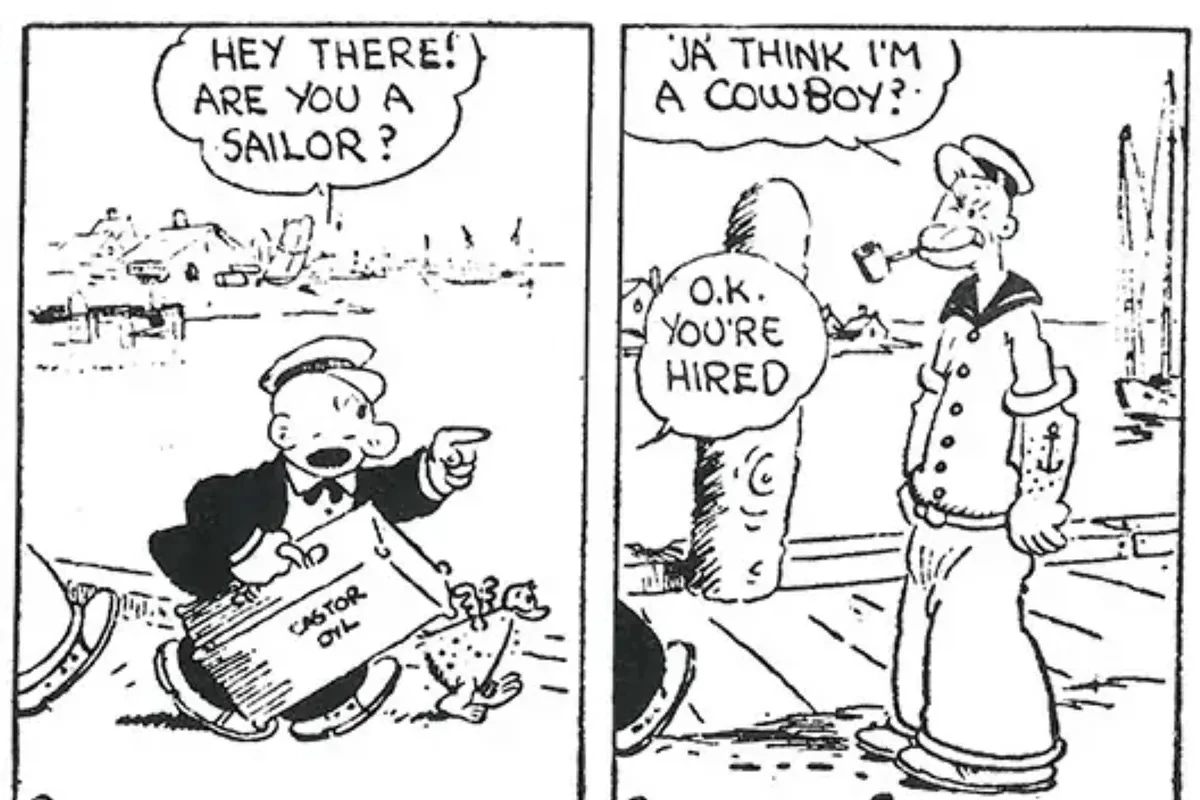
As of January 1, thousands of classic works from 1929, including the earliest versions of Popeye and Tintin, have entered the public domain in the United States.
These works, now free to copy, share, and adapt, mark a significant cultural milestone, unlocking new opportunities for brands, creators, and fans alike.
This year’s additions to the public domain include a wide array of iconic literature, films, and art, including:
- William Faulkner’s "The Sound and the Fury"
- Ernest Hemingway’s "A Farewell to Arms"
- Virginia Woolf’s "A Room of One’s Own"
- Alfred Hitchcock’s first sound film "Blackmail"
- Disney’s "The Skeleton Dance"
Duke Law School’s Center for the Study of the Public Domain Director Jennifer Jenkins shared that Popeye’s original form, including his personality and dialogue, is now free to repurpose, but with some restrictions:
“Everything that he says, all of his characteristics, his personality, his sarcasm… that’s public domain. The spinach, if you want to be on the safe side, you might want to wait.”
The 1929 version of Tintin, Hergé’s intrepid young reporter, also joins the public domain in the U.S., though European Union residents must wait until 2054 due to differing copyright laws.
This influx of public domain material reflects a pivotal moment for businesses, allowing free reinterpretations and adaptations.
For instance, marketing agencies can leverage these newly accessible works for campaigns, creating unique and engaging content by remixing and reimagining classic characters, stories, and visuals for new generations.
How Classic Works Can Fuel Creativity
The release of works like "The Seven Dials Mystery" by Agatha Christie and the surrealist art of Salvador Dalí also presents opportunities for both scholarly exploration and creative reinvention.
These newly available classics come as a broader trend of nostalgic marketing is emerging. And even more culturally significant works, like Betty Boop, are set to enter the public domain in 2026.
As these classic pieces are reinterpreted, brands can leverage the nostalgia factor while blending in modern marketing strategies to create compelling, engaging content that will appeal to a wider audience.
Businesses can also explore new storytelling techniques and visual styles, fostering a deeper connection with consumers through the fusion of history and contemporary creativity, while reintroducing these classics to younger generations.
As new adaptations and projects emerge, this wave of iconic media will continue shaping contemporary creativity and innovation.
Last year, Mickey Mouse also entered the public domain in the U.S., allowing creators to freely adapt and innovate the classic character from Steamboat Willie.