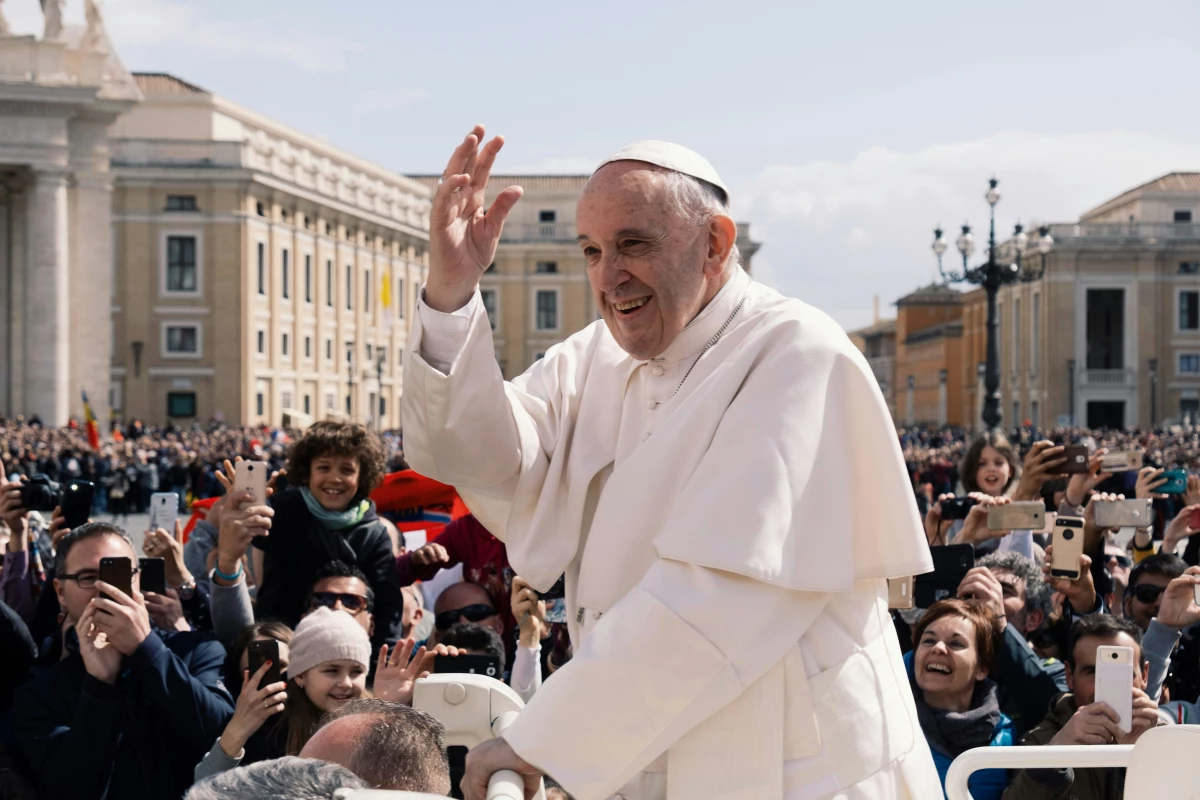

Key Takeaways:
- Pope Francis died on April 21 at the age of 88, concluding a 12-year papacy that reshaped the Church’s role and global presence.
- His leadership approach resulted in a strategic rebranding, centered on inclusion, transparency, and global outreach, making the Catholic Church moreculturally relevant without altering its core doctrine.
- His papacy became a defining example of institutional repositioning, showing how institutions can reconnect while staying grounded.
“Reforming Rome is like cleaning the Sphinx of Egypt with a toothbrush,” Pope Francis said in 2017, capturing his quiet determination behind the push to modernize one of the world’s oldest institutions.
Now, the world mourns the man who took on that ambitious pursuit.
Pope Francis, the first Latin American pontiff and the most reform-minded pope in modern memory, has died at 88.
His passing marks the end of a revolutionary papacy that aimed to reform the Church into an institution that encouraged humility, global justice, human connection, and dignity, reaching out to those on the margins.
Throughout his twelve years as head of the Catholic Church, the late Pope Francis’ push for a greater sense of unity between all Christian Churches was evident through his words and deeds.https://t.co/4N3QgibVAF
— Vatican News (@VaticanNews) April 21, 2025
Elected in 2013 after the resignation of Pope Benedict XVI, Jorge Mario Bergoglio, Pope Francis inherited a Church at a crossroads.
He grappled with evolving expectations from the faithful, generational shifts, and the need for renewed global relevance.
He quickly made clear his mission: a transformation rooted in pastoral care over politics.
“I prefer a Church which is bruised, hurting and dirty because it has been out on the streets,” he famously said in Evangelii Gaudium, 2013.
5 Ways Pope Francis Created Change
The Vatican and global brands serve different missions, but their approaches to leadership and communication offer shared lessons.
Pope Francis reshaped the Church through humility and inclusion — principles many institutions have also used to build trust and relevance.
1. Humanizing the Papacy
Pope Francis used small but powerful actions to make the papacy feel more humble and relatable.
- Opted for a modest guesthouse over the Apostolic Palace.
- Rode in a Fiat instead of a limousine.
- Shunned gold-threaded robes in favor of simple white cassocks.
- Impact: Positioned the Church as closer to the people, countering centuries of elitism.
It’s not just the Pope humanizing leadership.
Accenture, a global consulting firm, has focused on ethical leadership under CEO Julie Sweet, emphasizing fairness, inclusion, and sustainability while shaping the company into a human-centered B2B powerhouse.
2. Shifting Church Messaging to Social Justice
He brought urgent social issues like climate change and poverty to the center of the Church’s message.
- Elevated causes like climate change, immigration, and poverty to central moral issues.
- Released "Laudato si’" (2015), calling environmental stewardship a spiritual duty.
- Spoke boldly about economic inequality and labor exploitation.
Leaning into social justice is also a priority for Kaiser Permanente, a U.S.-based healthcare consortium. It reshaped its brand messaging by aligning with Dr. Martin Luther King Jr.’s vision of health equity and justice, a move motivated by the institution's values.
3. Reframing Sexuality & Gender Inclusion
Francis softened the Church’s tone toward LGBTQ+ people while defending their dignity.
- While not changing doctrine, he softened language around LGBTQ+ Catholics.
- “Who am I to judge?” became a global headline and a symbolic shift in tone.
- Condemned the criminalization of homosexuality, calling it a violation of human dignity.
Some brands are also leading with inclusive values.
In 2024, Cisco, a global technology company, redefined corporate culture by encouraging inclusive leadership. Through its “proximity initiative,” leaders are coached to build deeper, authentic relationships with employees of diverse backgrounds.
The result: increased allyship, behavioral change, and a more inclusive work environment.
4. Globalizing Church Leadership
He shifted focus beyond Europe by appointing leaders from the Global South and visiting overlooked nations.
- Appointed cardinals from the Global South, reducing Eurocentrism.
- Visited marginalized nations often ignored in past papacies — from Myanmar to South Sudan.
It's not just the Vatican embracing global leadership.
The World Food Programme (WFP), the world's largest humanitarian organization, operates in over 120 countries, delivering food assistance to communities affected by conflict, disasters, and climate change.
It focuses on regional empowerment rather than top-down control, a move toward shared leadership across regions.
5. Embracing Crisis Communication & Transparency
Francis took early steps to acknowledge what he saw as past missteps and to encourage greater openness within the Church.
- Took early public stances on abuse crises.
- Initiated Vatican financial reforms and more auditable, transparent systems.
- Emphasized public apologies, humility, and survivor listening sessions.
It’s not just the Vatican that took crisis transparency seriously.
Johnson & Johnson, one of the world’s largest healthcare companies, set a lasting standard during the Tylenol crisis. The company acted quickly, pulled products from shelves, and spoke openly with the public.
What could have been a reputational disaster became a defining moment of accountability — a response that, in its honesty and humility, reflects the kind of trust-building Francis championed.
Francis’ Progressive Dialogue Leaves a Strategic Marker
Pope Francis’ progressive leadership, marked by outspoken support for migrants and social justice, often put him at odds with conservative figures.
For instance, he engaged in pointed public exchanges with U.S. Vice President JD Vance over issues like immigration and compassion.
These dialogues highlight the pope's commitment to challenging hardline stances and defending inclusive values.
He has set a clear precedent for the Church to continue prioritizing progressive reforms even as it transitions to new leadership.
What Comes Next for the Church
With the death of Pope Francis, the church enters sede vacante, Latin for “the seat being vacant.” During this period, all papal duties are paused, and the camerlengo — the cardinal who oversees the church’s affairs between papacies — manages day-to-day operations.
In the coming weeks, the College of Cardinals will meet in the Sistine Chapel to elect a new pope by a two-thirds majority. White smoke will signal the decision, followed by the public introduction of the new pontiff.
As the church moves into this next chapter, many are watching to see whether the new pope will continue Francis’ path of reform.
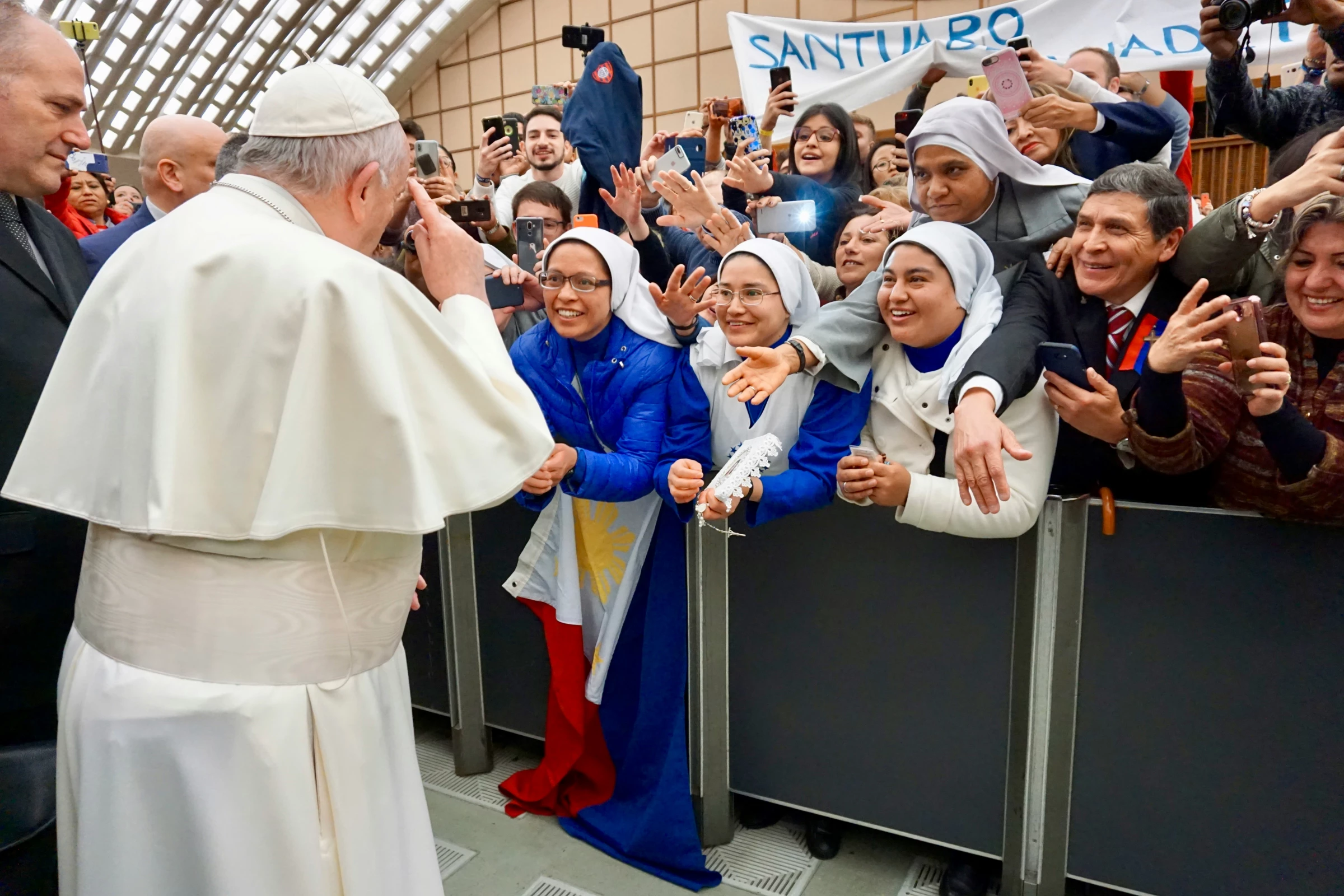
'Rebranding' the Church Through Compassionate Leadership
Pope Francis showed that meaningful change within long-standing institutions doesn’t always come from rewriting rules, but from shifting tone, priorities, and how leadership is lived.
He changed how people see the Catholic Church — not by rewriting its beliefs, but by focusing more on kindness than judgment and on being present rather than political.
This shift resonated far beyond the Vatican.
EU President Ursula von der Leyen praised his “humility and love so pure for the less fortunate.”
Today, the world mourns the passing of Pope Francis.
— Ursula von der Leyen (@vonderleyen) April 21, 2025
He inspired millions, far beyond the Catholic Church, with his humility and love so pure for the less fortunate.
My thoughts are with all who feel this profound loss.
May they find solace in the idea that Pope Francis’… pic.twitter.com/FiI6SASNl8
On the other hand, European Parliament President Roberta Metsola said his “contagious smile captured millions of people’s hearts across the globe.”
Pope Francis’ legacy offers brands, institutions, and future Church leaders a rare and enduring blueprint: With courage, thoughtfulness, and listening, creating transformation is possible.
As Pope Francis demonstrated, even the most historic institutions can evolve without losing their identity.
The key lies in thoughtful repositioning, honoring core values while adapting to current culture.