
Nike Skips Super Bowl 60 Ads: Key Findings
- Nike is sitting out an $8 million Super Bowl slot, signaling a shift toward more focused, performance-led marketing.
- Its 2025 “So Win” ad led the game in logo visibility and viewership, proving a single spot can reset creative momentum.
- Under CEO Elliott Hill, the brand is reallocating spend through its “Sport Offense” strategy, prioritizing key sports and athletes.
Just a year after re-entering the Super Bowl ad circuit with its acclaimed 2025 “So Win” campaign, Nike is stepping away again.
As for why it's sitting out Super Bowl 60, which airs Feb. 8, 2026, the brand declined to say.
But with 30-second ad slots now averaging $8 million, according to Statista, the sportswear giant’s decision hints at a more budget-conscious approach to media spending.
Other major brands, however, are leaning in.
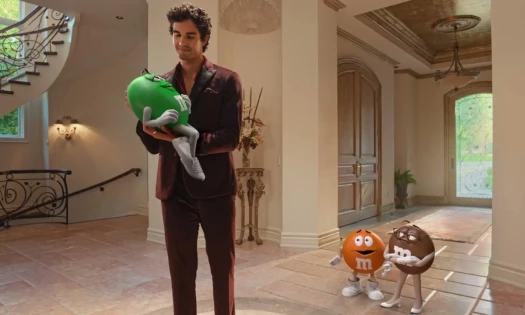
Confirmed advertisers include Budweiser with its largest Super Bowl push yet. Kinder Bueno is making its debut with Giggly Squad co-host Paige DeSorbo, while Pringles returns with a spot starring singer Sabrina Carpenter.
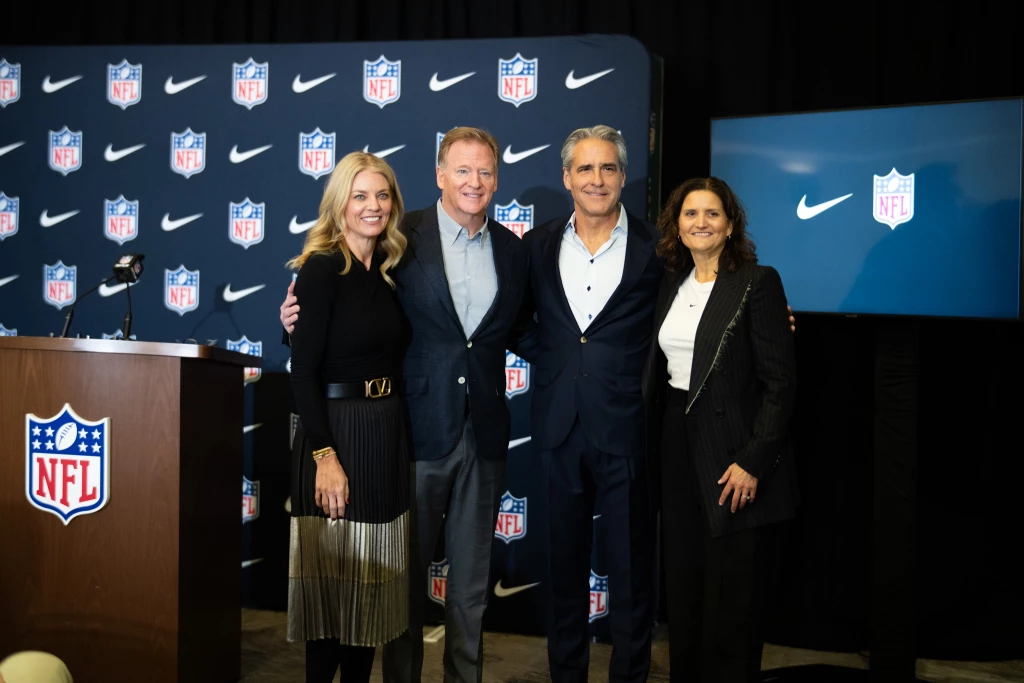
Nike, meanwhile, will still have a strong on-field presence as the NFL’s exclusive supplier.
Its partnership, locked in through 2038, means it supplies uniforms, sideline, practice, and base-layer gear for all 32 teams.
For Nike, the timing also aligns with broader adjustments inside the business as the company works to stabilize sales and clarify its sport-first positioning.
Still, the decision comes as a surprise, especially after the brand’s standout advertising performance during last year’s game.
Nike’s 2025 ‘So Win’ Super Bowl Ad Delivered
Created by Wieden+Kennedy Portland, Nike’s “So Win” ad spotlighted female athletes, including Caitlin Clark, A’ja Wilson, and Sha’Carri Richardson.
With this campaign, Nike aimed to connect with viewers by championing women’s sports and putting athlete stories at the center.
And it worked, contributing to the brand earning more on-screen time than any other advertiser.
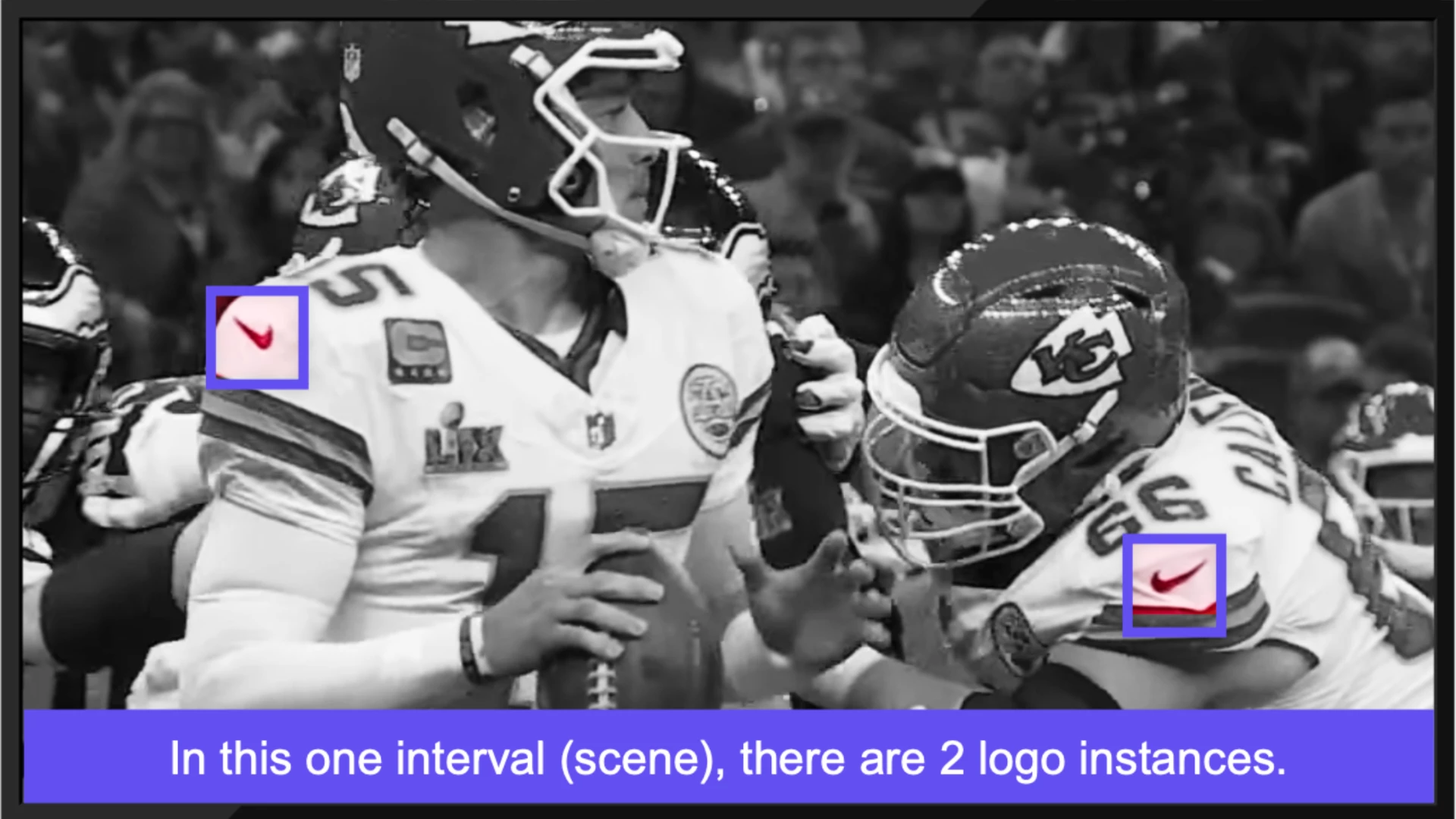
According to Samba TV, during Super Bowl 59, Nike’s logo appeared:
- 819 times across 521 unique frames during the Super Bowl 59 broadcast
- In 37 million U.S. households, reaching nearly the entire viewing audience
- An average of 371 times per household, reflecting sustained visibility
- Across the “So Win” commercial and in-game coverage, extending impact beyond the ad break
“Nike didn’t just show up during the Super Bowl; it dominated the screen,” said Samba TV Co-founder and CEO Ashwin Navin.
“Not only did its 'So Win' ad win the most-watched ranking and fan-favorite status amongst viewers, its logo was the MVP of the game.
That makes its decision to sit out this year all the more surprising.
While Nike is sitting out this year, the tone of its 2025 Super Bowl ad still carries through in its broader brand work.
For example, the “Why Do It” campaign, narrated by Tyler, the Creator and featuring Caitlin Clark, LeBron James, and Carlos Alcaraz, challenges young athletes to face fear, doubt, and perfectionism with courage:
Even without a Super Bowl slot, Nike is getting its message across on its own terms and at its own price.
Nike Leans Harder Into Performance Messaging
Nike’s exit reflects a broader shift toward its “Sport Offense” strategy, focused on running, training, and basketball.
CEO Elliott Hill explained this shift to investors during Nike’s Q2 earnings call.
Hill said the company is “in the middle innings of our comeback,” with marketing strategies centered on flagship sports, and with major athletes such as Caitlin Clark.
Recent campaigns like Jordan Brand’s “Too Easy” and a refreshed “Just Do It” show Nike moving away from lifestyle messaging toward performance credibility.
Within that direction, the Super Bowl’s wide cultural reach offers limited precision compared to the category work Nike now considers essential.
With NBC pricing 2026 Super Bowl slots at $8 million for 30 seconds, advertisers are reassessing the efficiency of mass-reach buys.
Market Pressures Reshape Media Decisions
Nike reported1% year-over-year revenue growth to $12.4 billion, a modest gain as it works through a restructuring.
For a brand concentrating resources on performance credibility, the Super Bowl sits lower on the list of channels that deliver clear impact.
Nike’s recalibrated approach offers early clues about the year ahead:
- Expect heavier spending in soccer as the World Cup approaches and Nike sharpens category momentum.
- Creative partners should anticipate briefs tightly centered on athlete credibility rather than broad cultural expression.
- Media strategy will favor platforms where performance messages connect with intent-driven audiences.
These shifts suggest a strategic recalibration as Nike moves forward with its comeback plan.
Not to mention, with 30-second Super Bowl ads priced at $8 million, Nike appears focused on impact over impression.
Our Take: Is Opting Out of Super Bowl a Retreat?
From my vantage point, Nike's decision was a calculated strategy rather than a pullback.
After a high-impact return in 2025, the brand reminded the public of its creative edge.
But what Nike really wants is to work within its target category (sports) to drive business, not just hype.
And clearly, passing on an $8 million Super Bowl slot, no matter how big the viewership, allows Nike more financial wiggle room to fulfill its goals.
What also stands out to me is the timing.
With a crowded 2026 sports calendar ahead, Nike can instead invest in work that speaks directly to athletes and shapes buyer demand.
Even with its Super Bowl skip, Nike is still setting the tone for rival campaigns.
New Balance, for example, is leaning into familiar territory with its “We Got Now” campaign created in partnership with VML.
Featuring Coco Gauff, Shohei Ohtani, and Bukayo Saka, it leans into camaraderie, play, and purpose:
The ad's tone echoes some of Nike’s best work, showing Nike is still top of mind. Super Bowl or not.
Want sharper brand thinking without the Super Bowl price tag?
Explore how Top Branding Agencies are helping brands refocus, differentiate, and drive performance where it matters most.