
McDonald's 'Unc' Campaign: Key Findings
- McDonald’s saw traffic rise by up to 22% following Snack Wrap’s July relaunch across U.S. stores.
- Translation’s “Unc” campaigntargets younger Black consumers to drive first-time trial and long-term loyalty.
- McDonald’s aims to sustain cultural relevance with insight-led work tied to branding and community engagement.
Following the return of the Snack Wrap to U.S. menus in early July, McDonald’s tapped Translation as its new agency of record (AOR) for the African American Consumer Market (AACM).
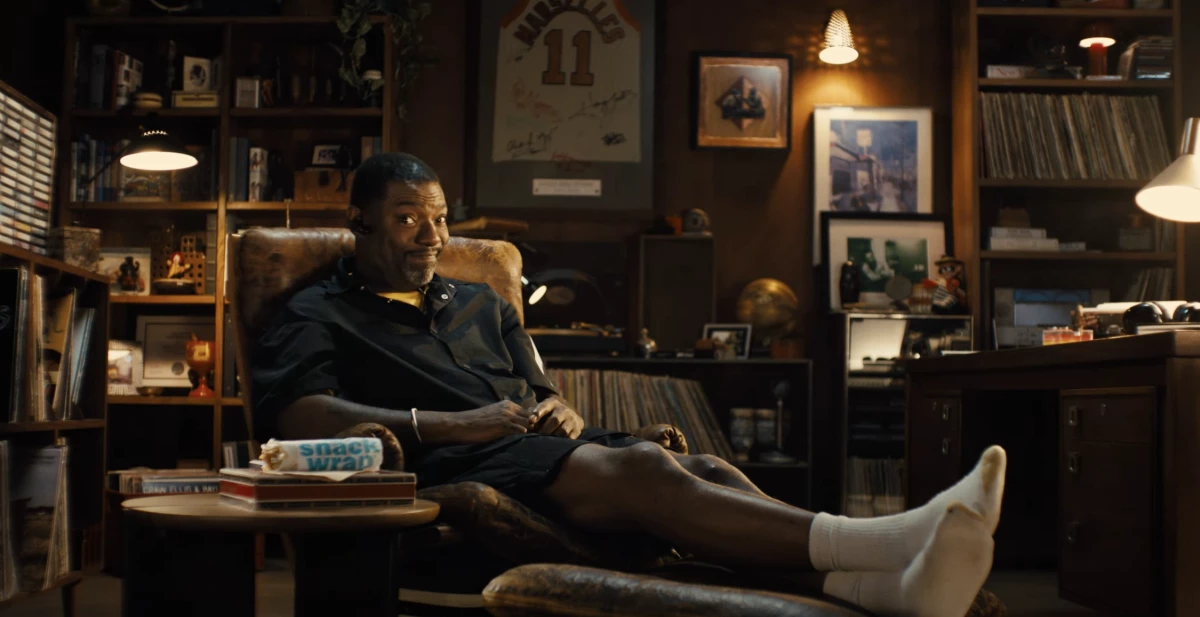
The agency’s first major campaign, featuring actor Hassan Johnson as the neighborhood mentor “Unc,” brings generational wisdom to the table to reintroduce a product many younger customers never got to try the first time around.
“Unc” acts as a trusted voice in the community, giving the campaign its anchor of authenticity.
The fast-food giant said the move reflects a broader ambition to deepen the "brand’s connection with the African American community through resonant and authentic storytelling.”
The strategy comes at a crucial time.
Snack Wrap’s July 10 relaunch generated immediate results, with store traffic up 11–15% on launch day and reaching 22% the following day, according to Placer.ai.
Early demand even triggered a brief shortage of shredded lettuce, leading some stores to pull it from other items like the McChicken.
But for McDonald’s, those short-term gains are part of a longer play.
Translation’s creative perspective, which is rooted in community and cultural fluency, is meant to turn this moment into something that lasts.
'Unc' Says It’s Back
The first spot titled "You Heard" sees "Unc" talking directly to the viewers, taking the credit for convincing McDonald's to bring back the coveted food item.
"It was me," he tells us, as he takes a bite of the snack.
Another spot titled "A Trusted Source" starts with a young man looking at the menu and asking the McDonald's employee what a Snack Wrap is.
Unc comes in to educate the boy and share his tales with the offering.
A flashback ensues, where the man in his teenage days is seen with a girl, as the two enjoy their snack.
He continues to tout the wrap, breaking down its recipes to the boy.
Convinced, he places his order, closing the spot.
The creative leans on more than nostalgia marketing.
Unc's character builds new fandom by passing the baton, which serves as a nod to howcultural credibility works across generations.
McDonald’s and Translation have history.
The two previously worked together on the “Think with Your Mouth” campaign and contributed to the original “I’m Lovin’ It” jingle.
But this new era is defined less by catchy lines and more by contextual relevance.
The marketing strategy is aimed at turning cultural engagement into business results.
According to a recent Numerator survey, 90% of Snack Wrap buyers said they would order it again.
This repeat intent, paired with a 7% same-store sales lift in Q3 so far, suggests this isn’t a fleeting hit.
The campaign’s success also reflects how branding today hinges on being in sync with the community, not just the calendar.
With future activations expected to continue spotlighting everyday voices, McDonald’s is betting on connecting with its audience on an emotional level rather than mass promotion.
Our Take: Does Culture Work Still Drive Conversions?
Yes, if you treat culture as a conversation and not just a theme.
What stands out here isn’t just the data, but how the campaign earns its response.
“Unc” feels real because he doesn’t sell the product. Instead, he shares it.
This tone matters when trying to build new brand loyalty within a market that has been underrepresented in mainstream brand work.
Recently, KFC also introduced a new sandwich called the "Zinger Drip," harping on senses to emphasize its saucy new offering.
If your audience sees through the campaign, it won’t convert. These teams help you shape strategy that feels real: