
JCPenney's 'Omitted': Key Points
- JCPenney and Mischief created a fake thriller starring Ashley Graham to spotlight size inclusivity in fashion and media.
- The campaign highlights the gap between plus-size consumers, who make up 67% of women, and film’s underrepresentation.
- The Ashley Graham collection ties into JCPenney’s "Yes, JCPenney!" brand refresh, targeting younger, more diverse shoppers.
Ashley Graham made headlines over the weekend with a trailer for a film that doesn’t exist.
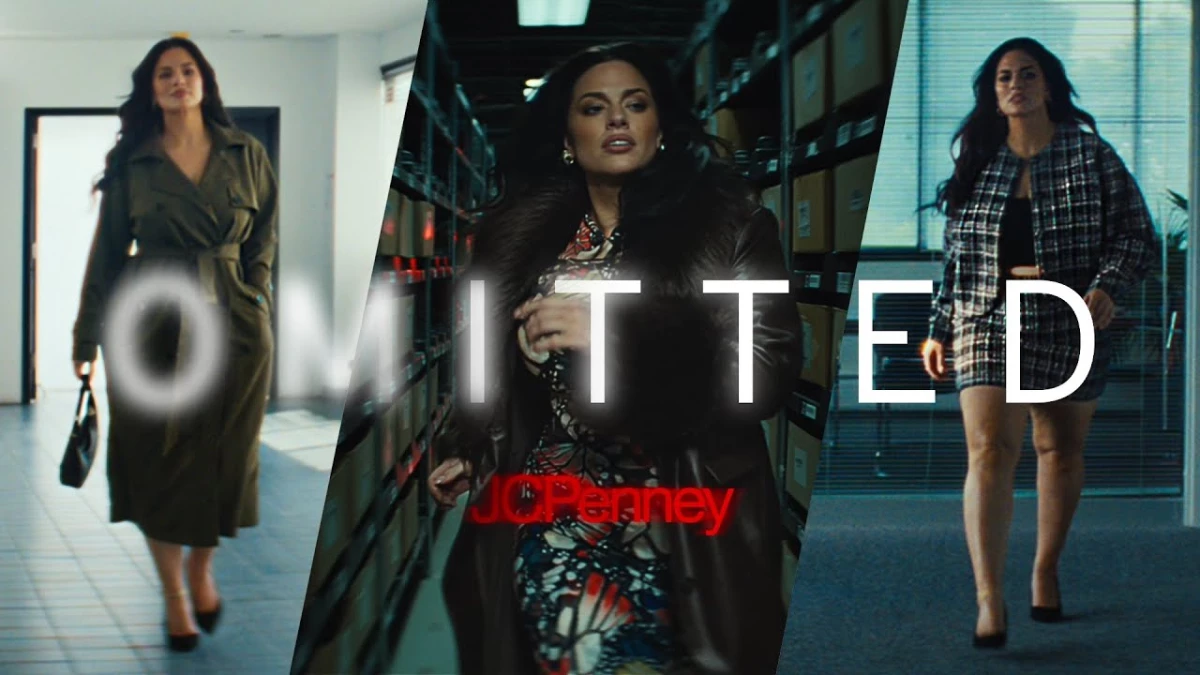
Titled "Omitted," the glossy preview showed Graham as a woman erased from the world around her.
Viewers quickly realized the twist: the movie was fake, designed to introduce her new plus-size apparel line at JCPenney.
Created with Mischief @ No Fixed Address, the stunt doubled as both a fashion launch and a critique of the film industry and the lack of media representation for plus-sized women.
"We launched the collection with a fake movie designed to make a very real statement,” said Dana Buckhorn, associate creative director at Mischief.
"The campaign isn’t just about this bold, new clothing line — it’s about refusing to fade into the background."
The campaign points to the fact that although nearly seven in ten women in the U.S. wear plus sizes, fewer than 1% of main film characters represent them.
Furthermore, the collection marks Graham’s first major retail collab and comes during JCPenney’s “Yes, JCPenney!” brand refresh.
The retailer has been working to shake off its legacy image and reconnect with younger, more diverse audiences through stand-out brand storytelling.
When Fake Becomes Real
Directed by Tom Dey of Picture Farm, the faux trailer presents Graham in a cinematic narrative filled with suspense and isolation.
The character struggles with invisibility throughout the spot, running, driving, and just finding someone who'll acknowledge her existence.
In a follow-up spot, it's eventually revealed that the trailer is fake, but the problem it brings awareness to is very real.
"While 67% of women wear plus sizes, less than one percent are cast as the main character in top films," Graham reveals to the audience.
The ads are being promoted across digital channels, social media platform activations.
The format deliberately contrasts with fashion’s usual glossy ad spots, borrowing the language of thriller trailers to emphasize its fight for representation.
JCPenney’s move recalls other brands using similar formats to bring awareness to their cause.
For example, Dove’s long-running beauty campaigns reframed advertising around representation and challenging unrealistic beauty standards.
And by tapping Graham to be the star of its film-style launch, JCPenney shows that it cares and wants to accommodate its consumers of all sizes.
Last year, JCPenney reported revenue of $6.6 billion, ranking it among the largest U.S. department store retailers.
What JCPenney's Fake Film Teaches Marketers
JCPenney’s latest work shows how to maximize the film medium to refresh a traditional retailer.
- Borrowing the structure of film trailers can turn fashion launches into narratives that capture consumer imagination.
- Partnering with public figures ensures campaigns resonate with both mass audiences and cultural conversations.
- When product, brand refresh, and ad creative are aligned, even legacy retailers can reposition themselves in the market.
Now, JCPenney faces the question of whether this cinematic approach will sustain momentum or prove a one-off stunt.
Our Take: Can Fashion Ads Double as Films?
Watching "Omitted," I found myself briefly forgetting I was watching an ad. This is how effective the ad was to me.
It hooks you with tension, then flips it into a shopping moment.
In my view, this is what good advertising should do: stop you mid-scroll and leave you with something worth talking about.
Not every retailer can pull off a Hollywood send-up, but JCPenney has found a smart way to get people debating visibility in fashion while selling product.
To me, that’s more effective than another glossy lookbook.
In other news, Prada turned to director Yorgos Lanthimos for a surreal short film with Scarlett Johansson to promote its Galleria handbag.