
Blind Boxes Marketing Strategy: Key Findings
- 20% of Gen Z buy a daily “little treat,” and 62% have purchased one highlighted or endorsed by an influencer, showing a move toward discovery-driven, socially influenced shopping.
- IPSY Mystery Bags turn single purchases into repeat engagement through trusted curation and shareable unboxing, highlighting the value of curated selections and organic social amplification.
- Surprise works only with consistency, trust, and relevance, requiring strategic curation and audience insights to maintain engagement and predictable growth.
About 20% of Gen Z consumers buy a “little treat” every day, and 62% have purchased one highlighted or endorsed by an influencer, according to Circana's 2025 Little Treat Culture report.
This behavior indicates commerce is moving toward discovery, entertainment, and social validation.
IPSY's Mystery Bags have been part of its offering for over a decade, and their success reflects how consumers now prefer to shop.
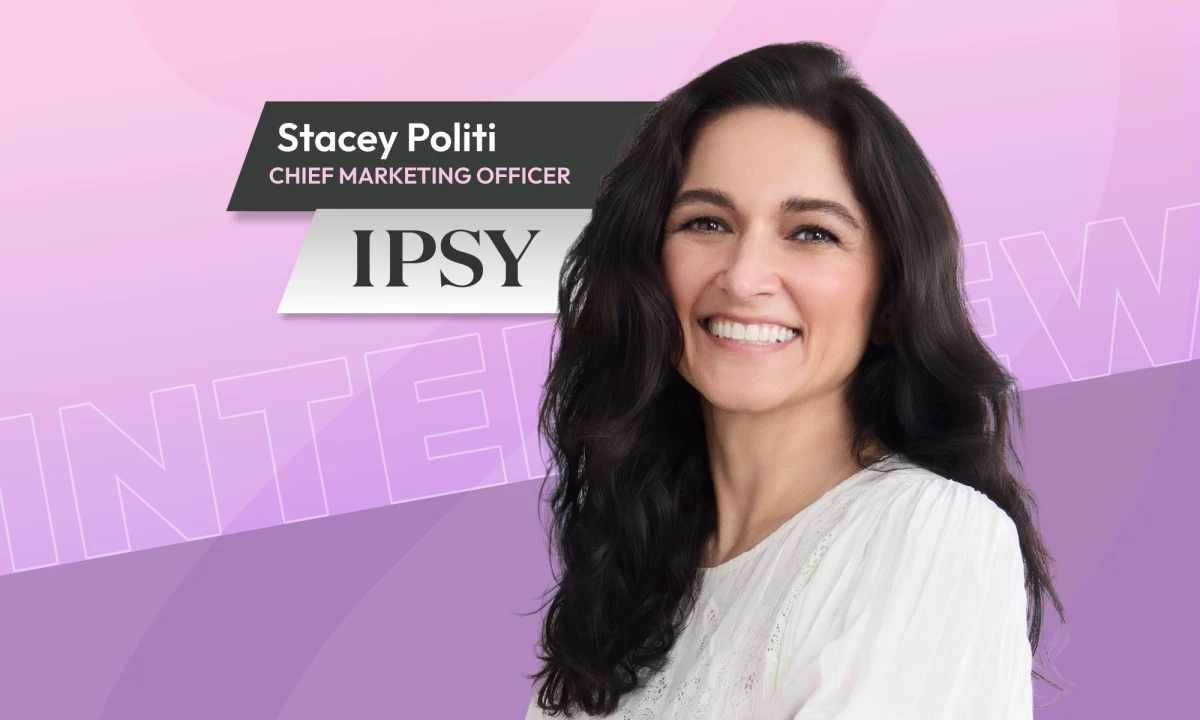
In a DesignRush interview, Stacey Politi, Chief Marketing Officer at IPSY, says surprise-led commerce reflects a fundamental shift in behavior.
"Blind boxes are having a major moment because they reflect how Gen Z prefers to shop, where it's less about the transaction itself and more about the experience as a whole," Politi says.
That preference turns a simple purchase into something participatory.
"Surprise-led shopping turns a purchase into something immersive and shareable, transforming an unboxing into a moment of anticipation, content, and conversation."

Who Is Stacey Politi?
Stacey Politi is Chief Marketing Officer at IPSY, a beauty membership and subscription platform.
Politi has 20 years of experience in marketing, brand, and growth. She’s led teams of over 100 people and held roles at Lionsgate’s Starz, Sony, Yahoo, and NBCUniversal, and her experience covers brand positioning, creative, social, media, partnerships, growth marketing, and analytics. At IPSY, she oversees brand, performance, CRM, and creative.
How Mystery Bags Became a Long-Term Growth Lever
While many brands treat surprise as a gimmick, IPSY saw early signs that it could drive sustained engagement.
"Even before blind boxes were trending, our IPSY Mystery Bags consistently performed strongly (and still do!), even though our members don't know the exact assortment," Politi says.
That performance was intentional and built on trust.
"That is a clear sign that they really trust our IPSY-vetted curation."
But trust alone didn’t create growth. Community turned the product into a self-reinforcing loop.
"Members have always loved to organically post their bag reveals on socials like Reddit, where they compare what they received and share standout picks," Politi says.
Politi says this behavior turned a one-time purchase into ongoing engagement.
"That ongoing conversation transforms this single purchase into a shared experience, reinforcing discovery and connection in a way that fuels continued growth."
What Makes Surprise Work Beyond the First Purchase
Surprise can create urgency, but sustaining value requires consistency.
Politi emphasizes that IPSY treats Mystery Bags with the same rigor as its subscription business.
"Surprise only works when it's anchored in consistency and trust."
IPSY approaches curation with strategy and intention.
"For us, that starts with our expert curation and ensuring every Mystery Bag delivers relevance, real value, and strong product picks that are aligned with what our beauty enthusiast members expect," Politi says.
The company also actively listens to its audience.
"To ensure our Mystery Bags support retention and value, we also look to our community feedback online, closely monitoring our member reviews and purchase behaviors," Politi says.
This feedback loop ensures that surprise evolves with consumer expectations.
The unboxing moment is central to product design and not just marketing.
"We design for shareability very intentionally because the unboxing moment is a core part of the IPSY experience itself."
That design choice connects directly to performance metrics.
"From a performance standpoint, we evaluate how engagement converts across the full funnel, from social conversation and creator amplification to click-through, add-to-cart behavior, and ultimately conversion and repeat purchase," Politi says.
The results confirm the strategy. IPSY's Mystery Bags have consistently delivered strong sales, including a Valentine's Day drop that hit a 30% sell-through rate in under a week.
But as more brands adopt blind boxes, many also misunderstand what makes them work.
"A blind box is only of value to a consumer when trust in your product and/or curation is established."
Without that foundation, surprise can backfire.
"If the surprise assortment lacks a clear curation or feels too random, or like excess inventory packaged into a 'blind box,' consumers will be able to see through it."
The consequence is short-term spikes without long-term value.
"Surprise only drives loyalty when it's backed by thoughtful product selection and a clear understanding of the consumer," Politi says.
Despite the momentum behind blind boxes, IPSY evaluates trends carefully and doesn’t follow them blindly.
"We lean into cultural waves when they feel like an authentic build upon something our audience already values," Politi says.
For IPSY, surprise is foundational, not reactive.
"Mystery Bags, for example, have been part of our offering for over a decade, so surprise and discovery aren't a reaction to a trend.”
This approach allows the brand to expand what already works.
"If it amplifies what we do already… we lean in further. On the other hand, if it feels off-brand… we don't engage."
What Other Brands Can Learn From IPSY
IPSY's success shows a shift toward experience-driven commerce, where products are designed to be shared, discussed, and rediscovered, not just used.
The formula combines three elements:
- A low-friction purchase moment, reflecting “little treat” behavior
- Built-in discovery through curated surprise
- Social amplification via shareable unboxing moments
By aligning these elements, IPSY has made Mystery Bags more than a product.
They are a repeatable growth engine built on trust, community, and experience.