
Beauty brands are under more pressure to show that consumer interest can become measurable sales.
IPSY is now positioning product trial as an earlier signal of retail demand.
The beauty discovery company has launched IPSY Marketing Solutions, a full-funnel marketingand sales offering.
It combines IPSY's consumer community, first-party data, product reviews, creator relationships, experiential activations, and paid media.
The goal is to support brands before, during, and after retail expansion.
"We've spent years building relationships across creators and millions of beauty consumers," IPSY Chief Business Development Officer Jason Kwong told DesignRush.
"IPSY Marketing Solutions gives us a way to bring more of that ecosystem to our brand partners.
For us, this is an important step in how IPSY continues to evolve and how we see our role in the broader beauty industry."
IPSY's community of 16 million beauty consumers gives brands a sizable audience to test on before products reach retail.
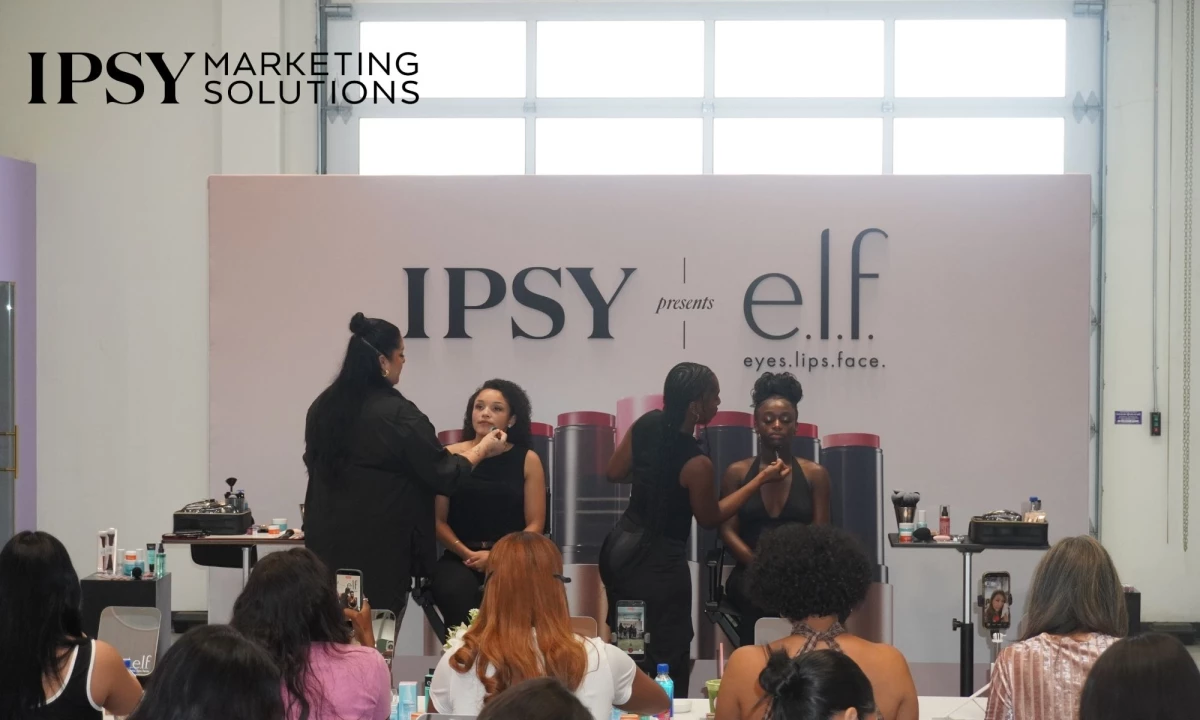
The subscription platform is already running the offering with brands including OLIVIAUMMA, e.l.f. Beauty, Rodial, ELEMIS, and Dew of the Gods.
OLIVIAUMMA recorded click-through rates 2–3x above industry benchmarks in a paid campaign supporting its Sephora launch.
"Launching a beauty product today requires more than generating attention," IPSY CEO Galen Smith shared in a press release.
"[I]t requires knowing whether consumers actually want it before it reaches retail."
Selling trial data as demand intelligence puts IPSY closer to the retail media networks that beauty brands already fund.
Trial Data Now Feeds Paid Media Before Launch
IPSY Marketing Solutions connects product discovery with the media and retail activity that follows.
For OLIVIAUMMA, IPSY paired first-party audience insights with content from members who had trialed and reviewed the brand's products.
IPSY then placed this content in paid media designed to drive qualified traffic to Sephora.com.
OLIVIAUMMA Founder and CEO Hye Kim said the brand partnership also gave the company access to customer feedback at scale.
"It allowed us to better understand what customers want to see and experience, which has been incredibly valuable as we entered the retail world," Kim said.
IPSY is now applying the same model across established and emerging brands.
Rodial created creator experiences for its Salmon DNA skincare line and Dragon's Blood Water Serum.
The events included a brunch and a dinner to support product education, reach, and earned media.
IPSY is running the same full-funnel model with e.l.f. Beauty, ELEMIS, and Dew of the Gods across product introductions and consumer validation.
Brands get a read on demand from trial before their retail media dollars have to convert it.
Isolated Reporting Misses 83% of Total Revenue Impact
Beauty marketing is becoming harder to measure as consumer discovery spreads across creators, social platforms, DTC sites, marketplaces, and physical retail.
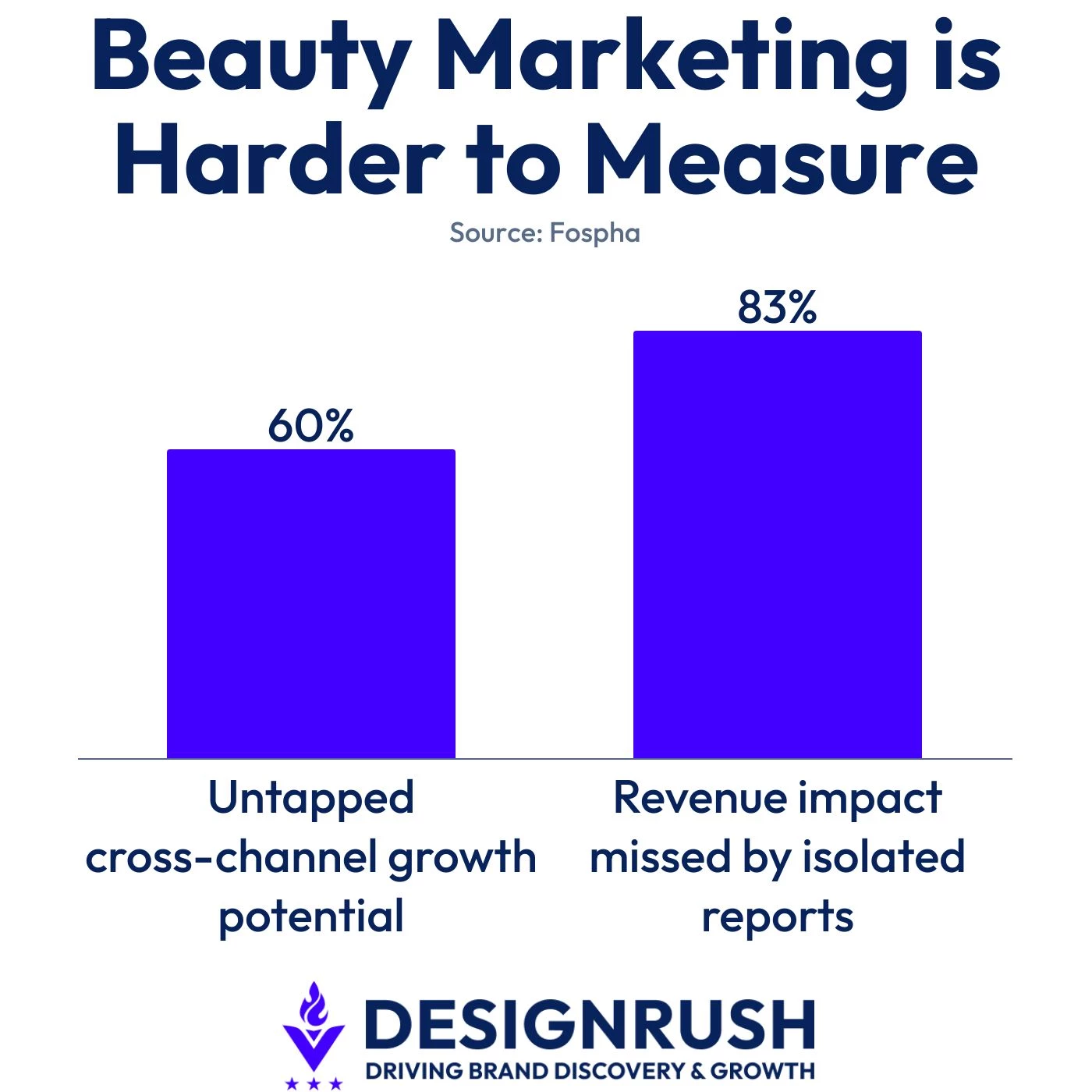
Fospha reports that more than 60% of cross-channel growth potential for beauty brands remains untapped.
Last click and siloed reporting can miss up to 83% of total revenue impact.
Both figures come from a company selling measurement software, though they line up with the attribution problems beauty marketers describe.
IPSY logs more than 20 million customer interactions across its massive community, and each one ties back to a known member.
Partners can see which samples, reviews, and repeat purchases moved a product, the exact signals that last click reporting misses.
Brands can then use these signals to sharpen audience targeting and product decisions before retail spending increases.
Sampling programs give brands the buyer-facing evidence that decides shelf placement before a product ships to stores.
- Demand should be tested before major retail investment. Brands should use feedback data to identify what resonates before distribution or media spend.
- Consumer feedback can influence the retail strategy. Marketers should use responses to refine messaging, targeting, and positioning to improve performance.
- Creator content should reflect real experiences. Brands should send them products early and use authentic reactions to build credibility.
Measurement budgets are heading toward full-funnel attribution, and IPSY is selling into this demand.
Our Take: Our Take: Can IPSY Prove Trial Predicts Retail Sales?
IPSY is selling a signal it hasn't yet had to prove, which is that trial interest predicts what happens on a retail shelf.
We think that it can hold up, but only once the platform reports the back half of the funnel with the same detail it gives click-through rates.
The 2–3x CTR number from OLIVIAUMMA proves the creative worked, and the reorder rate at Sephora is the number that settles the pitch.
IPSY owns both the trial data and the paid media that follows it, so it can build that record once retailers share what happens after checkout.
We think this launch could ultimately expand IPSY's role with brands from campaign partner to a legitimate source of consumer intelligence.
Brands can explore these top performance marketing agencies to connect audience insights with retail growth.