
Instagram's TV Expansion: Key Findings
- The app is now on Google TV in the U.S., just two months after its Amazon Fire TV debut.
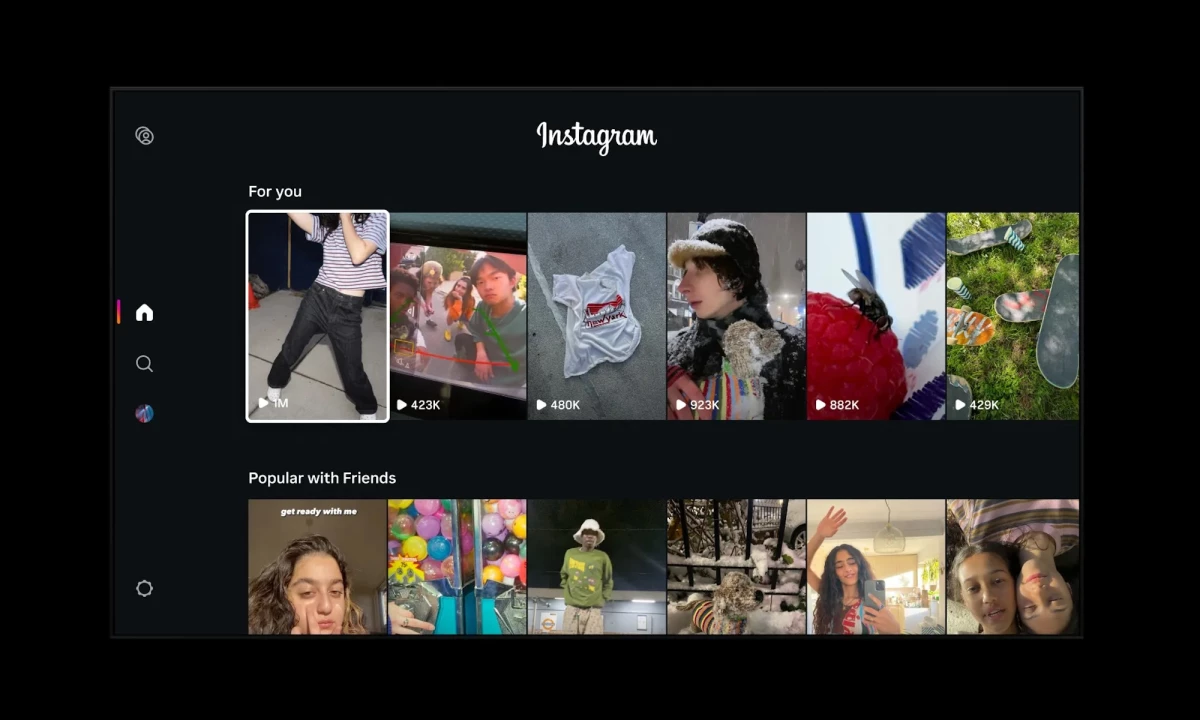
- It auto-plays Reels in topic-based channels covering comedy, music, and lifestyle, designed for passive lean-back viewing.
- The expansion puts Instagram in direct competition with YouTube and follows TikTok's own dedicated TV app launch.
Instagram is done waiting for the living room.
The platform is bringing its TV app to Google TV devices in the U.S., two months after its Amazon Fire TV launch in December.
The app streams Reels in auto-playing, topic-based channels covering comedy, music, and lifestyle, designed to mimic the passive experience of flipping through TV channels.
Users can pair it with their existing Instagram account, add up to five household accounts, or create a standalone TV-only profile.
The platform is chasing an audience that YouTube has cultivated for years.
TV is now YouTube's largest viewing surface in the U.S., and Instagram is making a calculated move to pull short-form viewers toward its own content pool.
Instagram Brings Reels to the Couch
The Instagram for TV app is built around lean-back viewing, with Reels auto-playing in curated channels so users can watch without touching a remote.
The app pulls from each user's existing mobile preferences, so the content experience carries over from phone to TV screen.
Brands already investing in Reels have a direct path to TV-scale impressions without producing new creative.
The transition does introduce a production challenge, as vertical framing and mobile-first pacing don't always hold up on a larger display.
This gap will likely push creators and brands toward more intentional choices as viewing grows on short-form video.
The Platform Race for the Living Room
YouTube captured 13.4% of all U.S. TV viewing time in July 2025, making it the highest share any single streaming platform has recorded.
Instagram is entering a category where its competitor has years of entrenched behavior, built-in search functionality, and a creator economy oriented around longer content.
TikTok also launched its own TV app ahead of Instagram, and both platforms are now competing for the same living room real estate.
However, the key difference is that Instagram's personalization pulls from an existing social graph.
This could make its TV recommendations feel more relevant to users who already have established followings and habits on the platform.
Whether brands will see meaningful reach from Instagram's TV placement depends heavily on adoption rates, which remain early and unproven.
Brands that are already active on Instagram Reels can start preparing for the platform's TV expansion:
- Audit Reels creative for TV: Vertical framing and small text overlays may underperform on a larger screen.
- Factor TV inventory into media planning: As the app scales, impression volume from television screens could become a reportable metric worth tracking.
- Watch creator behavior first: Creators who adapt for TV viewing early will surface patterns brands can apply to sponsored content before the format matures.
Did someone say Instagram on Google TV? 👀 Available now 📺🍿
— Instagram (@instagram) February 24, 2026
(Available in the US only.)
The format that performs on mobile may need adjustment for a larger display, and viewing context changes significantly when someone is watching from a couch with company.
While Instagram's TV push is still in early stages, brands that understand this fact will now have more time to adapt before the format demands it.
Our Take: Is Instagram's TV Move Worth Watching?
I think Instagram is making the right move, even if the timing puts it behind YouTube and TikTok.
The auto-play channel structure is genuinely well-suited to how people actually watch TV, and building from an existing social graph gives Instagram a greater shot at brand personalization.
The bigger question is whether Reels content, optimized for distracted mobile scrolling, can hold attention on a shared screen in a living room setting.
For brands, the practical upside is that their Reels investment now has a second distribution channel at no additional cost.
In other news, BISSELL launched its first branded content series starring Bloody Osiris, targeting car interiors as an underexplored niche within the #CleanTok trend.
Brands planning social video campaigns need agencies that understand how short-form content performs across mobile and connected TV environments.
Explore the top social media marketing agencies in our directory.