
Scroll Culture: Key Findings
- Consistency builds recognition. Repeated visuals, tone, and messaging make brands memorable even in crowded feeds.
- Flexible brand systems allow teams to scale content quickly without sacrificing brand integrity.
- Recognition beats virality. Small brands and creators can cultivate lasting audiences by being cohesive, not chasing trends.
80% of Google’s video ads on third-party sites didn’t meet promised standards, according to a study reported by the Wall Street Journal.
This shows just how tricky it can be to get consistent, high-quality exposure.
With audiences scrolling past hundreds of posts every day, making a strong first impression is essential and building lasting recognition is even tougher.
Musicians, creators, and modern brands all face the same challenge: standing out and staying memorable.
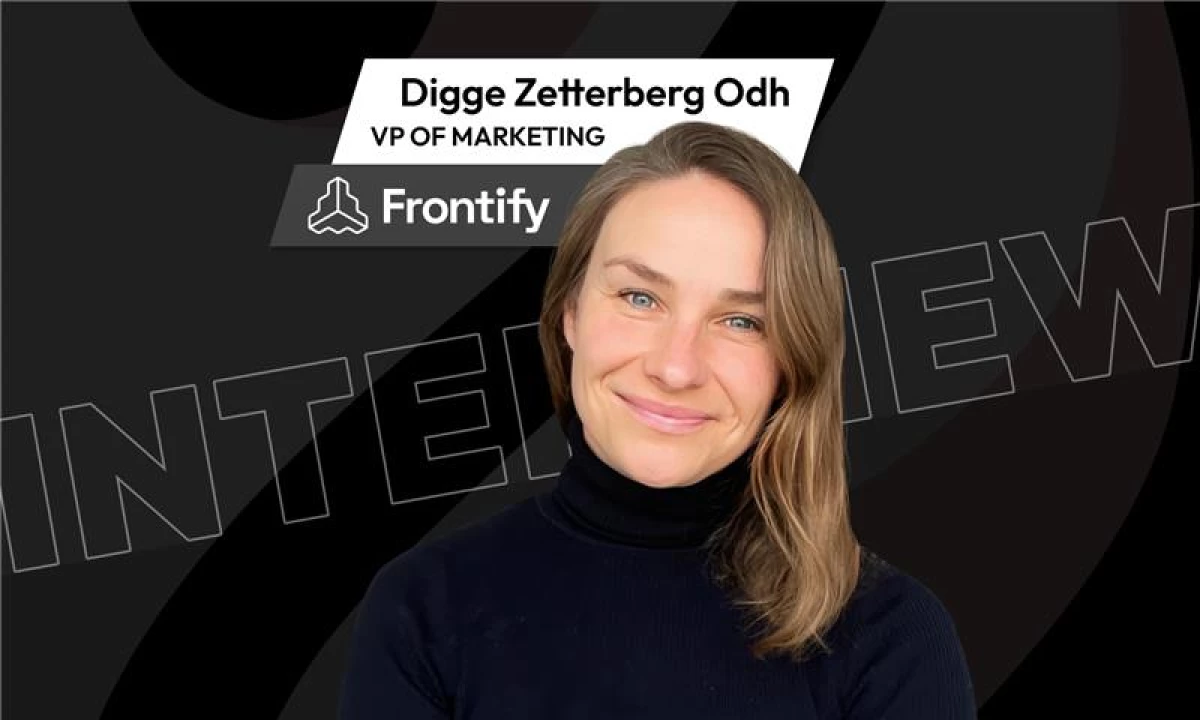
Digge Zetterberg Odh, VP of marketing at Frontify, spoke with DesignRush to explain why brand systems are the backbone of lasting cultural presence.
Drawing lessons from musicians, Odh shows how consistent visuals and tone help brands create meaningful connections and loyal followings.

Who is Digge Zetterberg Odh?
Digge Zetterberg Odh is the VP of Marketing at Frontify, where she leads the company’s global marketing efforts for its brand-building software. Before joining Frontify, she held a variety of management roles in advertising and agency work, spent over a decade covering the industry for trade publications, and served as head of Sweden’s largest advertising award for five years.
Why Consistency Is Survival
Musicians today are curating entire worlds around their brand. From album art to live show visuals, every element signals identity.
“Consistency isn’t about rigidity but about being unmistakably yourself across every platform – even when formats, trends, or contexts shift,” Odh explains.
“Consistency is what helps brands and bands become memorable among their fans. In a world of cluttered social feeds, what gets remembered is what feels coherent.”
Take Taylor Swift’s Eras Tour: friendship bracelets became a symbol of the fan community, and Swift even spent $13,000 on a giant bracelet to show appreciation for her audience.
Jay Z’s Made in America festival blends music, culture, and social activism, reinforcing his personal brand while also partnering with companies like Abercrombie & Fitch.
“More brands are tapping renowned musicians to gain the upper hand in today’s competitive market, leveraging their ‘brand’ and stardom as assets,” Digge adds.
Own Every Moment in a Scroll Culture
Every little interaction counts. That profile picture, logo in an email, or background color on a social graphic can make or break recognition.
“Young audiences are quick to move on…these micro-touchpoints are often treated as afterthoughts. That’s a huge, missed opportunity,” Odh notes.
Owning every moment means showing up with a consistent visual and verbal identity across all channels.
Even in fleeting moments, a clear brand presence creates lasting recognition.
Scale Fast Without Losing Integrity
Speed is key in today’s content world, but consistency builds trust. Leading brands solve this with flexible, comprehensive brand systems.
“The modern content economy rewards speed, but brand trust is built on consistency and quality. Leading brands are solving this not by clamping down, but by building comprehensive and adaptable brand systems that allow for autonomy within structure,” Odh says.
Platforms like Frontify let teams use templates, scalable design systems, and live brand portals, giving everyone the tools to create content quickly while staying on-brand.
“By turning their brand into a system rather than a static style guide, they’re able to scale with consistency and humanity – all while giving teams the tools to embody the brand in every moment,” she adds.
Build a Starter Brand System
For smaller brands, musicians, or creators, recognition matters more than chasing virality. Establishing a consistent identity helps build lasting connections with audiences.
“The most popular brands, musicians, and creators…have gained longevity and mass fandom through their portfolio, evoking an emotion or vibe that resonates with people and transforming them into advocates,” Odh explains.
A recent example is Charli XCX’s “brat summer,” where her signature shade “brat green” appeared across her album and visuals. It created an instantly recognizable brand for fans.
Frontify recommends that a starter brand system include:
- Vision and mission statement
- Clear logo or mark
- Defined color palette
- Consistent tone of voice
- Templates for primary content types
“The key is repeatability…Build a ‘visual memory’ with your fandom. And remember that recognizability doesn’t mean boring; it means cohesive,” Odh says.
Extending Beyond Owned Channels
Brands need to stay clear and recognizable even in spaces they don’t fully control.
The idea shouldn’t be about taking up more space, but rather being distinctive wherever you appear.
Just as musicians use unique vocals, visuals, and personal identity to stand out, brands can apply the same approach across social, earned, and partner channels.
Lasting Recognition Over Chasing Virality
Building recognition matters more than chasing fleeting virality.
Musicians show that consistent, intentional branding creates lasting connections, and brands can take the same lessons to heart.
Flexible brand systems that cover visuals, tone, and templates help companies scale quickly, stay true to their identity, and form meaningful relationships with their audience.
Brand System FAQs
What is a brand system?
A brand system is a framework of visual and verbal elements that ensures consistency across all touchpoints, making a brand instantly recognizable.
Why focus on recognition instead of virality?
Recognition builds trust, loyalty, and community over time, while virality is fleeting and rarely creates lasting value.
What are the key elements of a starter brand system?
Vision and mission, logo or mark, color palette, tone of voice, and templates for primary content types.
How can brands maintain identity in channels they don’t fully control?
Ensuring every element travels well and remains distinctive, even in social, earned, or partner spaces, helps maintain brand identity across all touchpoints.