
Instacart's 'Preference Picker' Push: Key Findings
- The brand continues its Preference Picker platform with three musical films focused on personalization, quality, and affordability messaging.
- The campaign uses surreal storytelling to dramatize real shopper behaviors and create emotionally engaging narratives.
- BBDO Chicago and Local Produce establish Instacart as a personalized shopping partner rather than just a delivery platform.
Instacart is making grocery shopping feel less like a chore and more like a performance.
Fresh off its Super Bowl return, the brand is growing its "Preference Picker" platform into a full campaign that turns everyday shopping decisions into stylized, music-driven stories.
The original spot, featuring Ben Stiller and Benson Boone, zoomed in on picking the perfect banana.
But behind that was a data point that shaped the strategy. Instacart has sold over 1.8 billion bananas and logged more than 32 million shopper notes about ripeness alone.
That level of detail shaped the foundation of the campaign.
Preference Picker was built to capture these small but meaningful choices, giving customers an easier way to communicate exactly what they want.
All while helping Instacart fulfill these customer expectations.
he was busy https://t.co/dT0jS3Uf1upic.twitter.com/uGu1DC0qh8
— Instacart (@Instacart) February 9, 2026
Now, the campaign expands this idea across three new films focused on quality and affordability.
“Grocery preferences are like musical taste. Very personal, and sometimes equally as surprising,” said Will Wilson, vice president and creative director at BBDO Chicago.
“Our job was to match the practicality of Instacart’s new preference features with the absurdity and musicality that our characters envision themselves living.”
Overall, it’s a deliberate shift from functional brand messaging to something more expressive, without losing sight of the product.
"These films capture the feeling of living life on your own terms — getting things just how you like them," Kate Hollowell adds.
Where Reality Breaks Into Song
The campaign was created by BBDO Chicago, with support from in-house agency Local Produce, and directed by Kate Hollowell.
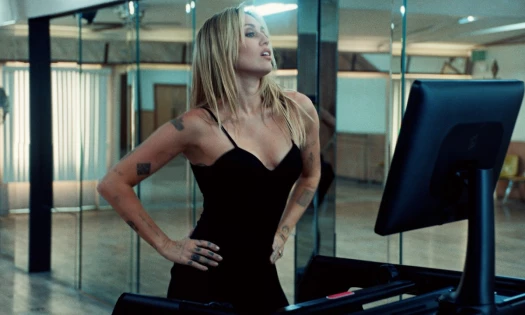
Each 30-second spot starts with a passing thought before escalating into a full musical sequence.
Every small, relatable grocery concern triggers a surreal musical sequence, and ordinary shoppers transform into performers navigating exaggerated versions of their preferences.
One character obsesses over deli meat thickness, while another spirals into a dramatic scenario over picky eating habits.
The stories stretch reality just enough to make the point that even the smallest details matter, and Instacart is built to handle them.
The campaign rolls out across TV, streaming, online video, podcasts, and social platforms throughout the US and Canada.
Ultimately, Instacart is taking a feature that could easily be buried in UX updates and elevating it into a defining brand idea.
Instead of explaining how Preference Picker works, the platform shows its audience how it actually helps them in an entertaining way.
A Musical Grocery Push
Instacart’s campaign shows how product specs can become the foundation of bigger, more engaging ideas:
- Features become more compelling when translated into emotional or entertaining formats that audiences can easily relate to.
- 75% of consumers prioritize personalization in purchase decisions. Make it visible and engaging so users can recognize its real value.
- A single consumer insight, like banana preferences, can scale into a long-term creative platform with consistency.
The real test will be whether Instacart can sustain this idea and keep pushing its value in everyday use.
Our Take: Can Grocery Apps Be Entertaining?
Instacart's latest efforts respect the quirks people hold about their groceries.
Most brands would’ve stopped at "we help you customize your order."
Instacart went further and asked what this looks like in someone’s head.
Turns out, it’s chaotic, dramatic, and oddly specific.
We think that this is precisely what makes the campaign work, because it doesn’t clean up the behavior and exaggerates it instead.
Because at the end of the day, nobody remembers features. They remember the feeling of being understood.
Recently, Hellmann’s also leaned into absurdity in its campaign by posing an age-old internet question: Is mayonnaise an instrument?
Want to spark a creative revolution with your ideas? Discover these top creative agencies making a change in our agency directory.