
McDonald's Branding Challenges Takeaways:
- A week‑long "economic blackout" is launched June 24 to 30 by People’s Union USA, citing DEI rollback, price gouging, and worker exploitation.
- Between 2019 and 2024, McDonald’s menu prices rose nearly 40%, with Big Macs up 21%, Egg McMuffins 23%, and McNuggets 28%.
- U.S. same-store sales dropped 3.6% in Q1 2025, largely due to fewer visits from low- and middle-income customers.
Inclusivity campaigns lose impact when the price tag tells a different story.
This contrast is now at the heart of McDonald’s brand dilemma.
The fast-food giant has long positioned itself as a brand for everyone.
This message was front and center again during Pride Month, when McDonald's served as a key sponsor of Revry’s World Pride Ball.
It's a global LGBTQ+ celebration held last June 5, which will be broadcast on the Revry streaming platform.
This is a continuation of a years-long strategy that includes rainbow-themed packaging and internal programs aimed at supporting LGBTQ+ employees.
Such inclusive branding usually wins applause and loyalty, as proven by these statistics:
- Nearly 3 in 4 consumers (71%) believe brands should actively reflect diversity and inclusion in their messaging.
- Over half of shoppers (59%) are more inclined to buy from companies that visibly support these principles.
- 77% of Millennials say they place greater trust in brands that feature diverse representation in advertising.
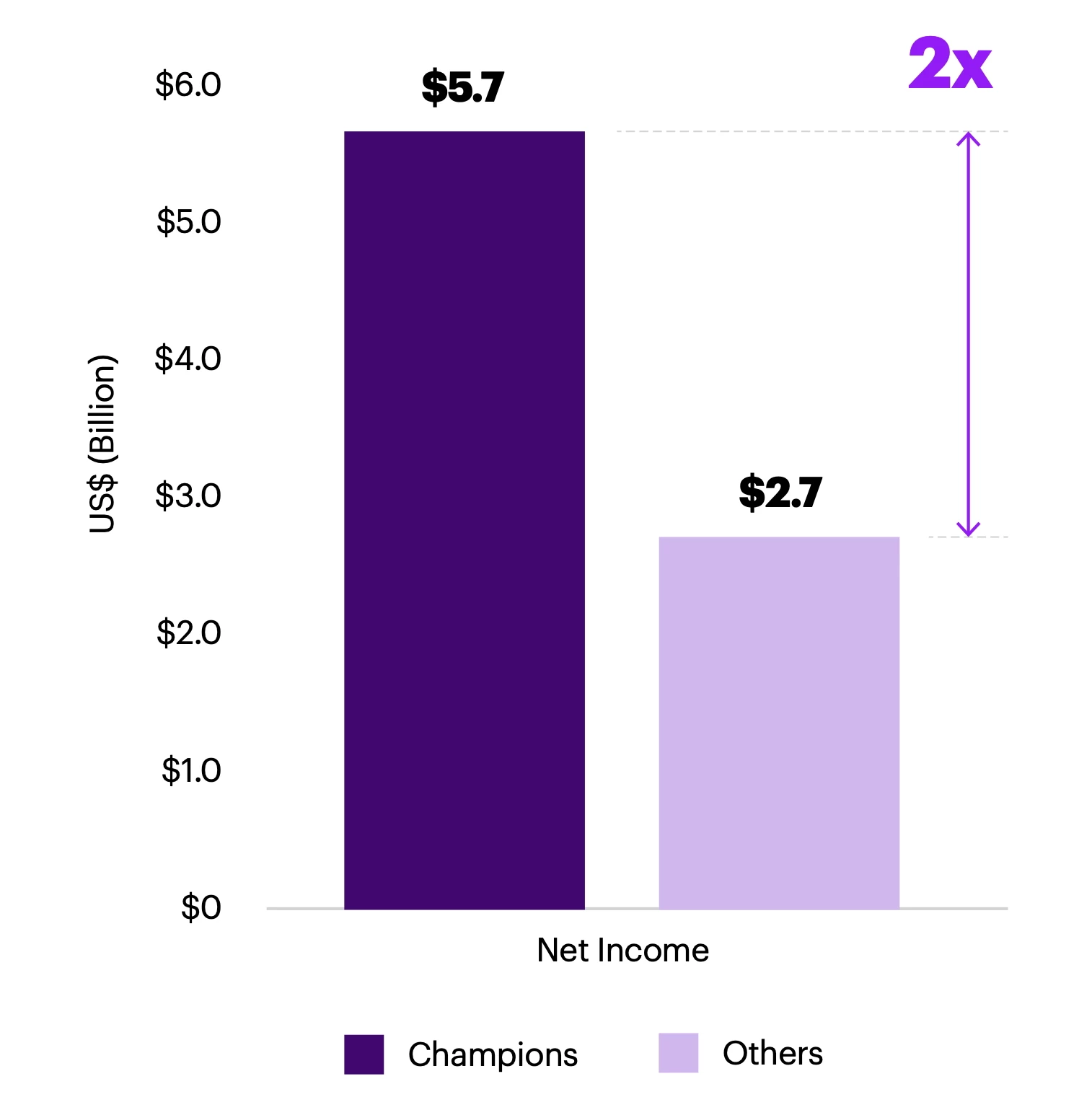
In fact, a 2023 Accenture report also found that "Disability Inclusion Champions" outperform others when it comes to profitability and value creation.
However, McDonald’s recent experience shows that even well-intentioned branding can spark backlash when it collides with other consumer frustrations.
The company has been met with an unexpected boycott from a grassroots progressive group, The People's Union USA, starting today, June 24.
Termed an "economic blackout," the movement stems from allegations that McDonald’s “inclusive” messaging rings hollow amid steep price hikes and corporate policy missteps.
Inclusive Branding, But at What Cost?
While social alignment remains valuable, it no longer exists in isolation.
Inclusive branding can backfire if everyday customers feel it’s not backed by authentic practices or fair value.
In McDonald’s case, the tension comes from rising menu prices that make it harder for it to live up to its long-standing promise of accessibility.
And this is where the branding message starts to run into trouble, and where the week-long boycott stems from.
Since 2019, the average cost of a McDonald’s item in the U.S. has increased by about 40%, outpacing general inflation.
A Big Mac is now roughly 21% more expensive than it was five years ago, while an Egg McMuffin is up by about 23%.
These increases have pushed some longtime customers to reconsider whether the chain still delivers on its promise of everyday value.
Q1 2025 financials showed a 3.6% drop in U.S. same-store sales, the steepest decline since 2020.
McDonald’s $MCD pricing us out 🚨🚨 Prices have doubled over the last decade pic.twitter.com/RdulsPInac
— Barchart (@Barchart) June 22, 2025
This drop was especially sharp among lower- and middle-income diners, once the brand’s core audience.
“McDonald’s isn’t the best value anymore,” 50-year-old dad Nick Martinez told The Washington Post on May 9.
“People are saying, ‘Well, if I’m going to pay $5 for a fry, I’ll just go to this place over here.’”
The situation is becoming more volatile with The People’s Union USA's boycott.
Their argument: McDonald’s speaks to inclusion while pricing out the very communities it claims to support.
The group pointed to not just rising prices, but a quiet rollback of internal diversity goals and supplier programs earlier this year.
Critics see a company celebrating Pride publicly while cutting resources behind the scenes.
A Growing Disconnect
Consumer reactions like this aren’t new, but they’re becoming more coordinated.
Digital platforms are giving grassroots movements more visibility and reach, with the current boycott organized primarily through Instagram and other social media channels.
It didn’t need a big media campaign to gain attention — just a few posts that connected frustration over price hikes with the perception of insincerity.
This puts brands in a difficult spot.
Not supporting social causes draws criticism. Supporting them without consistency inside the company does too.
And all of this is happening in an environment where every public statement is examined and archived.
When marketing and operations are not in sync and when values feel performative, trust erodes fast.
For agencies and brand teams, the challenge now is building equity and credibility that can survive rising prices and expectations.
Where Brands Can Gain Ground
- Align messaging with business practices. When pricing, hiring, and partnerships reflect what a brand stands for, trust follows. Customers reward consistency they can see.
- Use transparency as a trust-builder. Clear communication around pricing or DEI efforts reduces suspicion. Even tough decisions are easier to accept when brands explain the why.
- Treat digital channels as feedback tools, not just marketing megaphones. Responding to concerns in real time helps brands stay grounded—and shows customers they’re being heard.
Bottom line is that consistency across message, price, and policy earns loyalty.
McDonald’s promise to “get more than you expect” only works if that value is felt at every level, from the register to the brand’s actions.
Authenticity isn't a slogan; it's how trust is maintained.
And it's reinforced through daily interactions and pricing that makes sense for the audience.
Loyalty rooted in brand values must still be earned at the counter.
Where Brands Face Real Risk
- Online boycotts now build momentum instantly. One post can become a movement. Brands no longer control the pace or tone of the response.
- Superficial messaging creates long-term damage. Consumers recognize when a brand’s words don’t match its actions, and they walk away.
- Purpose without substance is a liability. If prices rise and internal DEI efforts fade, customers see the gap and call it out.
Marketing can’t outrun operations. Trust is fragile, and once broken, it's hard to win back.
I believe that brands like McDonald’s can and must reconcile social values with value for money.
Inclusive branding is not simply a “woke” add-on to business; it’s part of modern business growth strategy.
But it works only when it’s grounded in authenticity and respect for the customer.
In my view, McDonald’s leadership needs to remember why millions fell in love with the Golden Arches in the first place.
It was a place where everyone could grab a quick, affordable bite.
A truly inclusive brand shouldn’t exclude the very people it claims to welcome.
This moment is a gut check for brand stewards.
Messaging must not only be inclusive. It must be credible, consistent, and financially accessible.
Otherwise, the gap between values and value will keep widening.
Meanwhile, the fast-food giant continues to collaborate with pop culture events to maintain its relevance. It recently partnered with "A Minecraft Movie" for its Happy Meals.
When brand reputation is on the line, these agencies help you respond with speed and precision.