
Brand Identity: Key Findings
- Brands with clear audience insight see stronger ROI from experiential marketing, showing how readiness and relevance drive campaign performance.
- Authentic partnerships, not spectacle, generate lasting goodwill, illustrating how brands can earn community trust through purpose-driven activations.
- Follow-ups like digital sign-ups and retargeting extend value beyond the event, proving how agencies can turn momentary attention into ongoing engagement.
Data reveals 71% of consumers now expect personalized interactions from the brands they choose, according to a 2025 McKinley report.
About 76% say they feel frustrated when it doesn’t happen.
For agencies and brand leaders, these numbers prove visibility isn’t enough. Success now hinges on closing the gap between what consumers expect and what brands deliver.
Experiences have to be designed with intent, grounded in strategy, and delivered by people who understand how to make connections feel real.
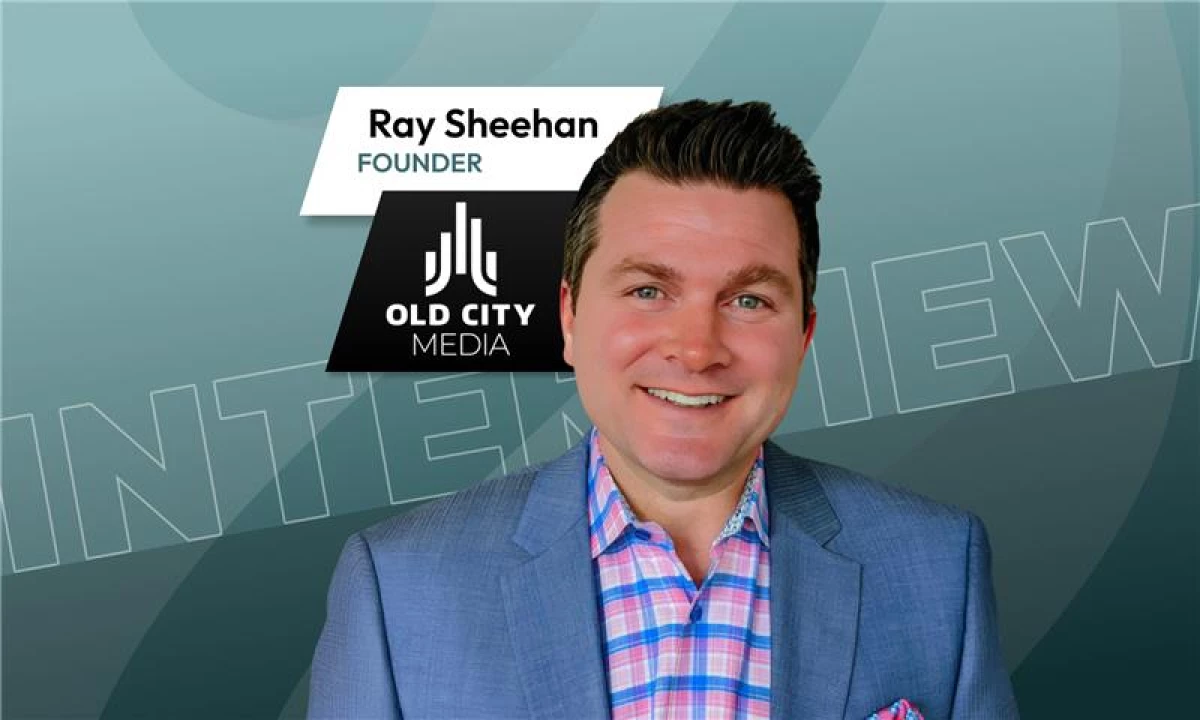
In this interview with DesignRush, Old City Media Founder Ray Sheehan shares his company’s approach to the challenge and translates brand identity into activations that are memorable, authentic, and sustainable.

Who is Ray Sheehan?
Ray Sheehan is the Founder of Old City Media, a leading North American experiential marketing and event production agency. He has grown the company from a single-city startup into a trusted partner for Fortune 500 brands, known for creating authentic, measurable consumer connections.
Sheehan is also a USA National Bestselling Author and recognized thought leader in experiential marketing.
Old City Media’s expertise lies in balancing creativity with purpose, and in hiring and empowering teams who can carry that intent through every interaction.
Sheehan explains why the strength of the work depends on the strength of the people behind it.
Prioritize Authentic Partnerships to Earn Long-Term Goodwill
One standout activation Sheehan recalls was with Coors Light, where the focus wasn’t on consumers at large but on the hospitality workers who bring the brand to life daily.
Through “Industry Nights,” bartender challenges, and exclusive sampling, the campaign felt less like a sales push and more like recognition.
“Coors Light wasn’t just showing up as a sponsor; it was showing up as a true partner to the service industry,” Sheehan says.
The results were measurable: attendance, dwell time, sales velocity, and social engagement all lifted.
But beyond the data, the brand earned goodwill with a community that influences consumer choice every day, which is proof authentic partnerships create impact well beyond the event itself.
Wait Until Your Brand Has Clarity Before Investing in Experiential
Not every brand is ready to dive into experiential.
Why?
For Sheehan, two indicators make the difference, including:
- Clear vision of the audience
- Willingness to engage in two-way interaction
“If a brand is still struggling to define who they are or sees experiential as a ‘quick fix,’ we know we need to pump the brakes,” Sheehan says.
When brands have clarity and commitment, experiences become natural extensions of identity.
When they don’t, agencies risk producing one-off stunts that look good but lack staying power.
Clarity first, then activation.
Design Events with Built-In Follow-Ups to Extend Impact
For Old City Media, the event itself is only the starting line. Real value comes from how those interactions extend into long-term engagement.
According to Sheehan, this might mean digital sign-ups, social sharing incentives, or exclusive offers that keep the brand present after the event ends.
By measuring sentiment, tracking purchase intent, and retargeting attendees, experiential shifts from a fleeting moment to an ongoing relationship driver.
Personalize Interactions Without Diluting Brand Identity
Personalization is powerful, but only if it’s anchored in a brand’s core identity.
Old City Media starts by defining a brand’s values and tone, then trains teams to adapt storytelling in real time.
For example, a home improvement brand might engage homeowners through conversations about comfort and long-term value, but always framed around trust and reliability.
“The message itself doesn’t change, it still reinforces trust, quality, and reliability but the delivery flexes to meet the specific interests and concerns of that homeowner,” Sheehan says.
The balance is critical: flexibility makes interactions human, consistency keeps them credible.
Adapt Strategies for Resilience When Circumstances Shift
The pandemic forced Old City Media to rethink what brand identity means when live gatherings aren’t possible.
“Before 2020, Old City Media was producing world-class live events that brought people together through shared experiences,” Sheehan says.
The shift led to big-box retail partnerships, long-term displays, and grassroots community engagement.
That reset changed how the agency approaches every project: by building for flexibility and resilience, so brands can stay connected no matter the environment.
Why This Matters
The takeaway is simple: experiential isn’t about one-off moments, it’s about relationships built with intent.
Brands that prioritize authenticity, clarity, follow-up, personalization, and resilience are better positioned to earn trust and loyalty in a crowded market.
“Our role is to help brands translate who they are into something people can touch, feel, and remember,” Sheenan says.
Experiential Marketing FAQs
What makes a great experiential marketing agency for brand identity?
The best agencies design experiences that feel authentic and audience-driven. When the strategy aligns with brand values, those experiences create stronger, more memorable impressions.
How can I tell if my brand is ready for experiential marketing?
If you know your audience and are open to two-way engagement, you’re in a good place. A strong agency can help shape the activation, but clarity has to start on your side.
What should I expect from an experiential agency after the event?
A great partner doesn’t stop at execution. Expect digital follow-ups, personalized offers, and retargeting plans that turn event buzz into lasting brand engagement.