
Key Takeaways:
- Google’s Gemini campaign targets Millennial parents dealing with mental overload and real-life daily demands.
- Cossette builds the campaign around survey insights and focuses on real parenting pain points like meals and travel.
- Each ad shows how Gemini makes stressful parenting moments easier by offering clear, actionable AI support.
Unsurprisingly, Millennial parents are always tired, having to manage a daily circus of logistics, decisions, and to-do lists.
Google Canada’s latest campaign wants them to know Gemini can take some of the weight off.
Based on a national survey of over 1,500 Canadian Millennial parents, the campaign reveals a growing demand for AI tools that solve real-life problems, not just show off.
The insight was clear: parents want clarity and calm, not just convenience.
These findings then inspired the tech giant to roll out three short YouTube ads from May 19 through July 21, developed with Canadian agency Cossette.
Each spot hopes to show Gemini's specific use cases, targeting different parenting pain points like planning meals, organizing travel, and figuring out tech.
Overall, the latest efforts highlighted the AI tool's ability to make overwhelmed parents more confident by providing them with a personalized experience, depending on their needs.
Turning Chaos to Calm
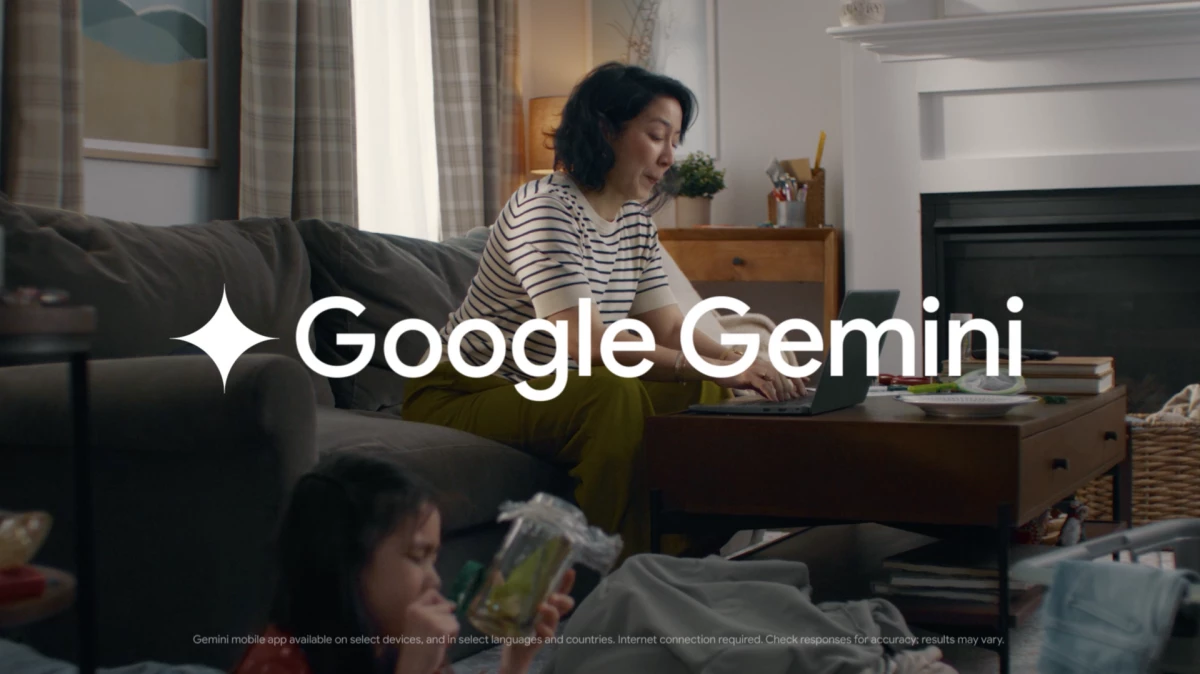
The first ad, titled “Brace Face,” explores the stress of a mother figuring out what meals to prepare for her kids.
With Gemini’s help, she quickly builds a budget-friendly grocery list and meal plans, even getting nutritional tips that cater to her child’s braces.
What would’ve been a headache turned into a simple checklist, thanks to Google's AI helper.
The second spot, “Getaway,” tackles family travel.
A mom finds herself in charge of planning the next trip, weighing out the family's wants and needs.
Gemini then suggests itineraries based on budget, kids’ ages, and everyone’s interests, showing how AI can act more like a personal planner than just a search tool.
Meanwhile, the last commercial, “Oh No,” sees a dad face the dying lightbulb inside the kitchen refrigerator.
By simply taking a picture of the broken light, Gemini was able to give the father a simple step-by-step guide on how to replace the bulb, and even how to deep clean his fridge.
Our Take: Can Google Make AI Feel Human?
To me, the campaign was able to effectively highlight Gemini’s core strength: transforming complexity into clarity.
The creative avoids any form of jargon, letting everyday moments speak louder than the tech.
This can be credited to Cossette's smart use of brand storytelling to move AI out of the abstract and into the kitchen and the living room.
As someone who often sees AI framed in futuristic or impersonal ways, I found Google's efforts refreshingly grounded.
It’s a reminder that when used thoughtfully, AI tools can serve up something far more valuable than novelty: relief.
Meanwhile, Apple recently launched a student-centered miniseries to promote the features of the new MacBook.
Want big ideas that break through the noise? See our list of top creative agencies: