
B2B Site Launch SEO: Key Findings
- Google’s 2025 crawl glitch left B2B sites invisible for weeks, underscoring the need for coordinated SEO checks before launch.
- Redirects, metadata, and site structure often get overlooked in launch sprints, proving that SEO must be baked in from day one.
- Bop Design integrates design, content, and SEO from the ground up, showing how agencies can launch sites that scale authority and protect traffic.
A Google crawl glitch in the fall of 2025 left some B2B websites invisible for weeks.
You heard that right. Not hours, weeks.
The glitch arrived amid a flurry of changes, including the rollout of AI Mode to 180 countries, ranking volatility, and ongoing spam updates.
It also ended up exposed structural weaknesses in how many B2B sites are launched.
One of the biggest? Teams working in silos.
When marketing, IT, and web departments operate in isolation, redirects get skipped, links break, and crawl issues slip through during launches.
Even small oversights in metadata or site structure can trigger visibility gaps that snowball after a site goes live.
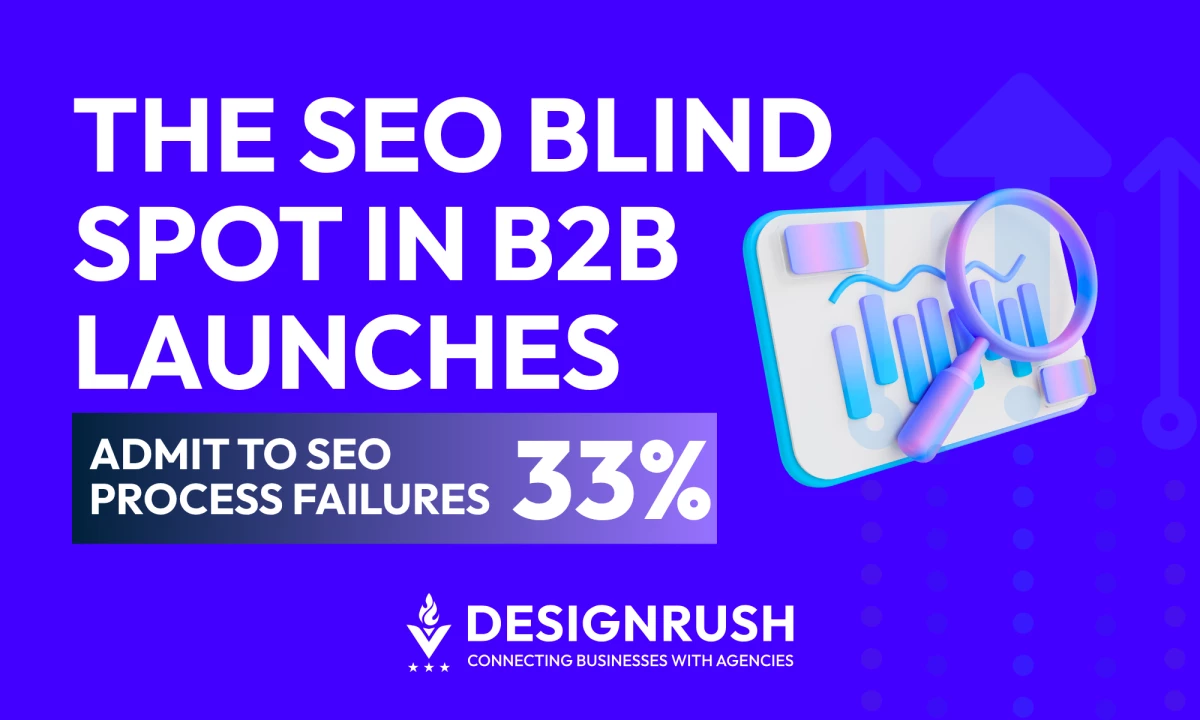
This risk is reflected in The Costs of Complexity, a Forrester Consulting study commissioned by Siteimprove, which found that 33% of marketing leaders say their firms don’t manage SEO processes effectively.
Editor's Note: This is a sponsored article created in partnership with Bop Design.
While this kind of breakdown is risky at any time, Google’s broader shift toward AI-driven search means technical SEO can’t be left to chance.
AI Mode delivers answers instead of links, so B2B content now needs to handle longer, detailed queries.
This is where solid site structure and accurate content keep launches visible and protect traffic.
Bop Design, an award-winning B2B web design and marketing firm, helps companies prevent these pitfalls.
By integrating proper redirects, crawlable structures, and clear metadata into website launches, the agency ensures websites stay visible and traffic remains intact.
While redirects and crawlable site structures protect visibility, off-page SEO amplifies reach and reinforces authority, ensuring that launches preserve traffic and strengthen a brand’s presence across the web.
But off-page SEO for B2B firms has changed. It’s no longer just about building backlinks.
Today, the focus is on building authority, trust, and visibility through content, partnerships, and engagement across multiple channels.
Brand mentions, online reviews, social media activity, and industry recognition all signal credibility to search engines.
This is why the use of niche forums, industry events, video content, and thought leadership collaborations extends reach and reinforces expertise.
“B2B search performance depends on more than links. The brands that stand out create valuable content, earn trust, and actively participate in their industry communities.
That combination drives both visibility and authority,” says Jeremy Durant, Business Principal at Bop Design.
Want to see what that content strategy looks like in practice?
In this video, Bop Design’s content director breaks down the types of assets that strengthen visibility across search and social:
Making Content Work Harder for B2B Visibility
Bop Design puts these principles into practice in every launch by integrating thought leadership, PR campaigns, and content partnerships into marketing strategies while actively managing online reputation and social engagement.
This makes content work harder, reaching the right audiences and building authority that search engines take notice of.
For B2B firms, off-page SEO strengthens credibility, extends reach, and reinforces authority to improve search performance over time.
With AI Mode and other interactive search features rolling out, it’s important to remember that structured, informative content that clearly answers queries helps brands maintain visibility.
It also ensures that the results of these efforts are recognized across search engines, social channels, and industry platforms.
“Redirects and crawlable structures are just the start. The real advantage comes when off-page SEO and technical SEO work together.
B2B brands that coordinate content, partnerships, and engagement with solid site architecture not only protect traffic but also turn every launch into a growth opportunity,” Durant adds.
When content, engagement, and technical SEO work in sync, every launch becomes more than a site going live.
It becomes a platform for visibility, trust, and long-term authority.
That’s especially important after Google’s recent crawl problems, which showed how quickly a site can disappear from search when redirects, metadata, and structure aren’t coordinated.
Bop Design’s SEO Checklist for B2B Site Performance
For a B2B website to deliver results, design and SEO all need to move in lockstep.
In other words, they blend smart design with technical SEO by incorporating the following:
- Responsive layouts that work across devices and ensure smooth crawling
- Clear navigation and page hierarchy to guide users and communicate priority to search engines
- Internal links that connect related content and support topical relevance
- Optimized page speed assets, including fast load times and properly tagged PDFs, images, and videos
- Structured headings and accurate metadata that give search engines the context they need to rank pages correctly
Together, these elements help B2B websites load faster, navigate smoothly, and hold their ground in search rankings, starting at launch and scaling over time.
See how Bop Design is preparing clients for the next phase of AI-driven search:
Secure Lasting SEO Advantage
Ready to protect your B2B site from costly SEO blind spots?
Follow Bop Design’s lead by making redirects, crawlable structure, and off-page authority central to every launch.
When technical SEO and content strategy work together, visibility improves, engagement rises, and long-term authority compounds.
Why? Because brands that integrate smart design with coordinated SEO today are far more likely to maintain strong search engine positioning.