-author-avatar_mobile-webp.webp)
Key Takeaways
- The best partnerships happen when brands prioritize alignment, shared values, audience fit, and content style over raw numbers.
- Be clear about your brand’s values and boundaries upfront, so that you can respond and act if any issue or controversy arises.
- Treat your agency like a collaborator, not a vendor. The more you share about what you want and how you want it, the better they can build a strategy.
Influencers didn’t get their ‘titles’ from nothing. They are today’s salesmen with actual ‘influence’ over their audience’s buying decisions.
An endorsement from the right content creator can bring in more results than any elaborate ad campaign. But that’s where the issue lies: finding the right face for your brand.
This is the idea behind Fohr, an influencer marketing agency and platform. It connects brands with creators that align on values, voices, and audiences.
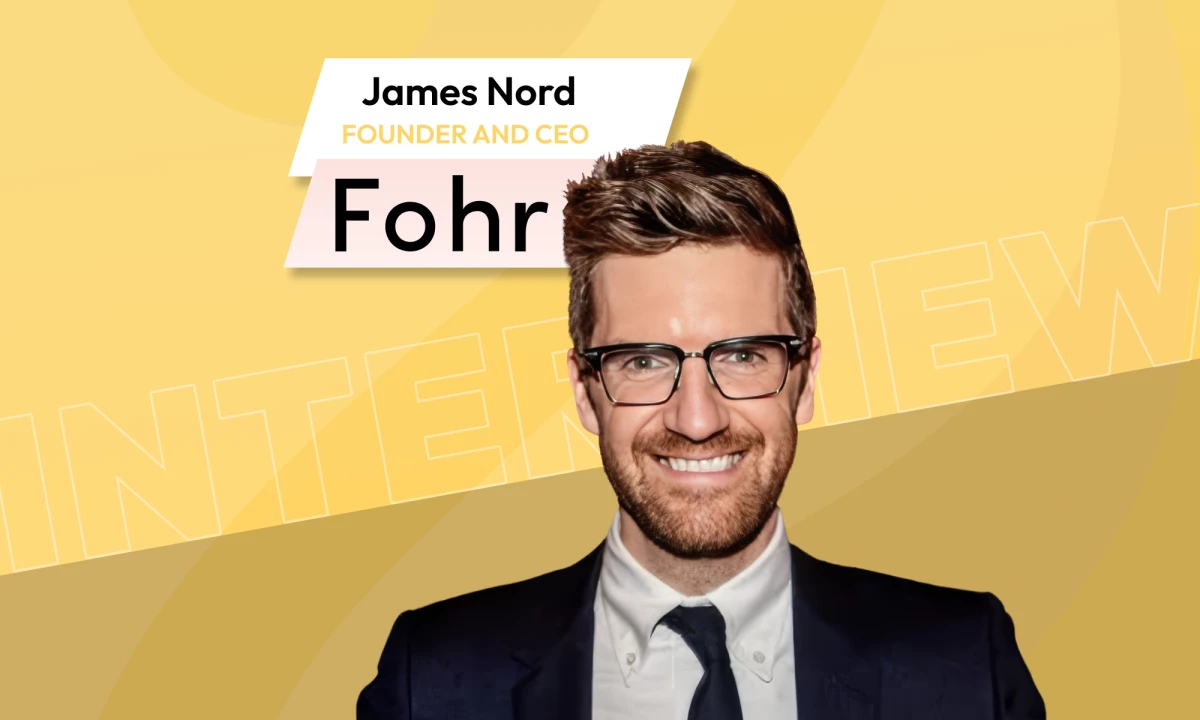
Its founder, James Nord, speaks with DesignRush to provide expert insights into how brands can identify compatible influencers.
He addresses how to identify the right influencers, manage potential controversies, and the value of working with an agency to navigate the complexities of modern influencer marketing.

Who is James Nord?
James Nord is the Founder and current CEO of Fohr. Since launching in 2012, Fohr has won multiple industry and growth awards, with major long-time brand clients such as Dick’s Sporting Goods, Marriott, and Kohl’s. James started his career on Wall Street, before working as Oscar de la Renta’s house photographer. He then started Fohr in 2012 to “to help more people live out their wildest dreams.”
Like any great relationship, influencer marketing is all about finding the perfect match between brand and influencer.
But how do you find that chemistry?
According to James Nord, that connection needs either a great story or a genuine connection.
“We've found that the most successful partnerships come from creators who either genuinely love the brand already or have a personal story that naturally connects to the product.
This authenticity is what bridges the gap between sponsored content and genuine recommendation,” James says.
Looking Beyond the Obvious
Finding that connection requires digging deeper than looking at the usual “vanity metrics”, like followers and engagement.
As James puts it, agencies also need to consider the following indicators:
- Pre-existing Affinity: The creator has organically mentioned the brand before or featured it in a way that feels natural within their content.
- Audience Alignment: Beyond demographics, the creator's audience shows affinity and trust, especially within the relevant category.
- Content Compatibility: The creator’s aesthetic, tone, and overall style align with the brand’s identity.
- Personal Storytelling: The creator can authentically weave personal stories around the product, making the content feel genuine and engaging.
Alongside these metrics, James notes that Fohr has begun exploring trend-based analytics to better identify viral potential, favoring predictive insights over what he considers outdated metrics.
"For active campaigns, we maintain close oversight through our content review platform, which allows us to provide feedback and ensure alignment with brand guidelines.
For ongoing ambassador relationships, we conduct regular check-ins and content reviews,” he says.
While you should keep an eye on the creator you’re partnered with, James is against policing every post. It’s actually more about ensuring the paid partnership meets the guidelines than going through every single post and content the influencer makes.
That said, misalignments do sometimes occur.
Dealing With Misaligned Influencers
The thing about content creators is that they share frequently and express strong opinions — it’s how they build trust and connection with their audiences.
This often results in unfiltered commentary — not all of which may align with the brands they represent.
How, then, should these brands handle the situation?
James has the answer:
- Vetting Process: Review a creator's full content history and values to ensure alignment before partnering.
- Set Clear Expectations: Establish mutual understanding about content boundaries before the partnership begins.
- Don’t Overreact: If a controversy arises, start with a direct conversation with the influencer rather than jumping to an immediate public response.
- Consider Context and Intent: Not all discussions of important issues should be considered "controversial." Evaluate whether the content aligns with your brand's stated values.
- Remain Faithfull to Your Values: If a creator's content fundamentally conflicts with your brand values, be prepared to part ways, but do so respectfully.
To James, the most successful relationships are built on mutual respect and understanding.
“Brands that support creators as a person, not just as content producers, generally build stronger, more authentic partnerships that audiences respond to positively,” he says.
Biggest Misconceptions
Influencer marketing is still a relatively new way to reach audiences, so it’s only natural that many brands still have some misconceptions about exactly what it is and how it works.
We asked James to share a few he has encountered along the way, and to him, the biggest misconception is that bigger is always better.
“We don’t believe macro or micro-influencers are inherently better than each other. The best fit depends on campaign goals, not follower count.”
To hammer down his point, James tells DesignRush that they have run campaigns where a creator with 50,000 followers outperformed someone with half a million.
Another common misstep is assuming that content should first educate, then entertain.
“That thinking is backwards now. The biggest shift isn’t photo to video. It’s informative to entertaining. Entertain first, then educate, then inspire.
The algorithm is the bouncer at the door of the club. If you’re not entertaining enough to stop the scroll, you’re not getting in,” he says.
Another myth that lingers is the belief that average engagement rates are a solid predictor of success. As James puts it, “averages make you average.”
“In today’s algorithm-driven world, content performance is unpredictable. We’re more interested in patterns and potential than static numbers.”
He also shares a key piece of advice: when brands script influencer posts word-for-word, authenticity suffers.
“The best posts feel like a friend recommending something they love. It should be personal, conversational, and genuine.”
More of the story? Authenticity is still paramount, but believability and entertainment are just as crucial to engaging the audience.
How to Prepare for an Influencer Partnership
When a brand approaches Fohr for a partnership, preparation goes a long way in ensuring an effective collaboration.
"The most successful partnerships start with brands that view us as strategic partners rather than just execution vendors," says James.
To get the most value, brands should begin by clarifying their objectives to Fohr or the agency they're working with.
Whether you're looking for awareness, consideration, conversion, or loyalty, each of these goals requires different creator strategies.
And that strategy starts by knowing what your audience wants, as it “helps to create a more targeted and relevant campaign."
It’s also crucial to define what’s non-negotiable when it comes to messaging, visuals, and values.
There should be room for influencers to exercise their creativity.
James recommends that brands prepare examples of influencer content they admire, whether from their own brand or competitors, before approaching an agency.
“Coming prepared allows us to move beyond tactical discussions to building truly innovative influencer strategies," James concludes.
-author-avatar-webp.webp)