
ESPN's Lee Corso Campaign: Key Points
- ESPN partnered with Arts & Letters on a farewell campaign marking Lee Corso’s final College GameDay headgear pick.
- The tribute debuted August 18 during Monday Night Football and continued through the Ohio State vs. Texas matchup.
- A new College Football brand platform titled “The Wild World of College Football” launched alongside Corso’s farewell campaign.
Lee Corso’s final College GameDay appearance received the kind of send-off only ESPN could deliver.
The network partnered with Arts & Letters to create a tribute campaign that celebrated the analyst’s larger-than-life personality and his role in shaping Saturday college football culture.
Corso, who joined GameDay in 1987, signed off during the August 30 Ohio State vs. Texas matchup in Columbus, the very site where his headgear tradition began nearly 30 years ago.
The campaign aimed to capture that joy and unpredictability while reminding fans that ESPN would remain at the center of the evolving 12-team playoff era.
Arts & Letters has been a longtime creative partner for ESPN, developing campaigns that emphasize the program’s traditions and its bond with viewers.
Previously, the two collaborated on a campaign with the UFC to promote UFC 303, creating an emotionally powerful short film.
Across all their campaigns, emotional engagement has been the common denominator, and to their advantage.
In this case, both Corso’s cultural significance and ESPN’s connection with fans allowed the brand to be an important aspect of sports culture and its future.
The Next Era
The tribute first aired during Monday Night Football on August 18 and ran through Corso’s farewell game.
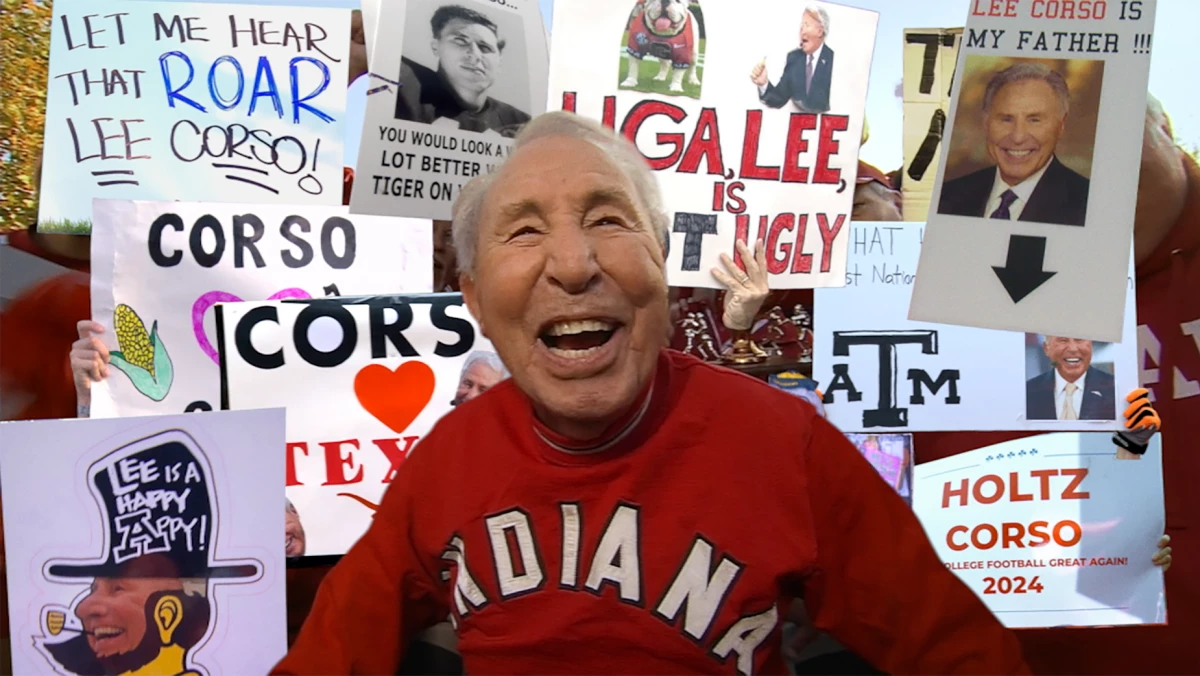
The creative was full of nostalgic footage, fan reactions, and the familiar headgear moments that turned him into the college football icon he is now.
Alongside the farewell spot, Arts & Letters also developed a new brand platform for ESPN College Football called “The Wild World of College Football.”
Designed to capture the unpredictable nature of today’s sport, the platform signals ESPN’s commitment to covering everything from classic rivalries to the upcoming expanded playoff system.
What Brands and Agencies Can Learn from ESPN
For brands and agencies, ESPN and Arts & Letters provide a case study in how to celebrate legacy and prepare for the future.
Key takeaways include:
- Emotional storytelling works best when it's rooted in an influential figure that embodies the culture of the sport or community.
- A farewell campaign can double as a launch for new platforms, keeping momentum instead of pausing with nostalgia.
- Integrating spots, platforms, and social media activations ensures a tribute doesn’t just look back, but keeps fans engaged going forward.
The bigger challenge will be how ESPN sustains excitement for GameDay without Corso, who became inseparable from the brand.
Our Take: What’s The Play?
I think this campaign works because it did two things at once, giving fans a proper goodbye and introducing a new era of coverage.
Too often, brands treat legacy as something to archive rather than as a bridge into the future.
Here, ESPN leaned into Corso’s enduring popularity to set the stage for ESPN's college football strategy.
The legendary coach's farewell wasn’t framed as an ending, but as a moment that confirmed the network’s central role in the sport’s next chapter.
In other news, Panda Express launched an action-packed spot earlier this year, putting aunties front and center.