
Dunkin' Protein Milk: Key Findings
- Dunkin’ expands protein beyond fitness culture by layering Protein Milk into coffees, lattes, matcha, and Refreshers without changing how people order.
- Instead of selling performance, the campaign uses Megan Thee Stallion to reposition protein as a cultural and identity-driven choice.
- Merch drops, studio partnerships, and value bundles extend the campaign into lifestyle touchpoints Gen Z and millennials already engage with daily.

Campaign Snapshot
Dunkin’ is starting 2026 with a clear signal to younger consumers: protein does not need a shaker bottle or a gym membership.
The brand has added Protein Milk to its menu nationwide, allowing guests to customize everyday drinks with 15 grams of protein in a medium serving.
The launch introduces Protein Refreshers and Protein Lattes while tying into a broader winter menu update that includes seasonal beverages, food items, and a new $5 Meal Deal.
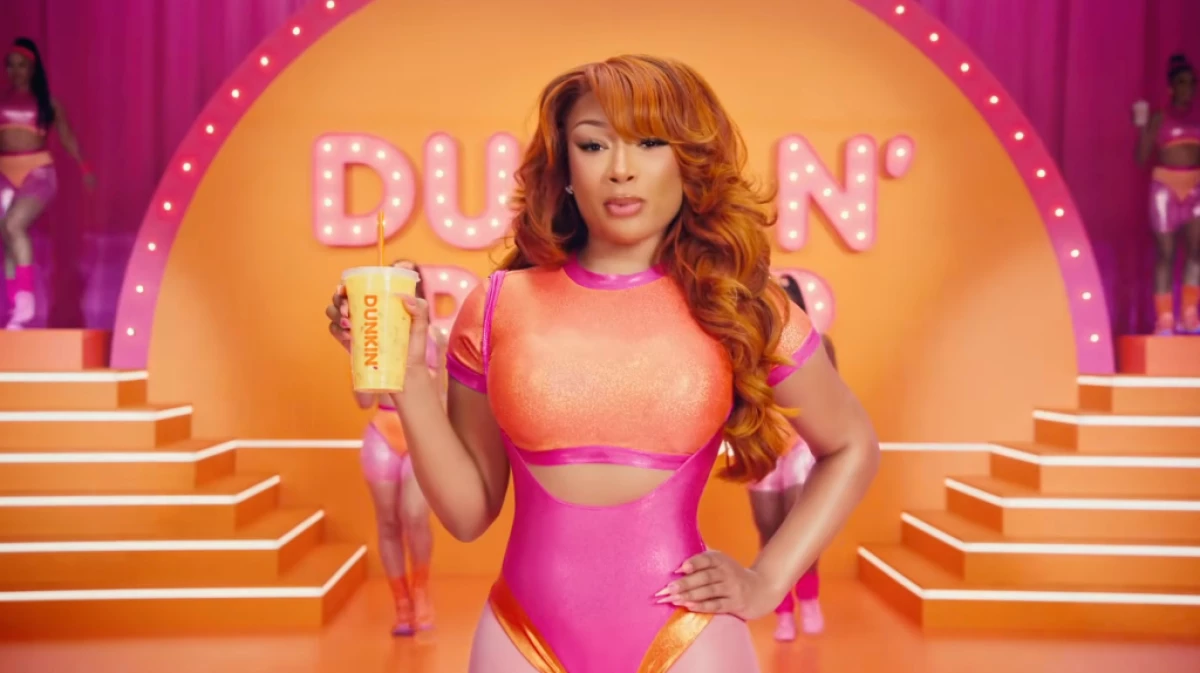
Dunkin’ tapped Megan Thee Stallion for the campaign to move protein out of the gym and into everyday pop culture.
The campaign launched on January 7, extending protein into multiple moments of the day rather than confining it to wellness-specific use cases.
The brand says the focus is on fitting seamlessly into existing routines.
When Protein Shows Up In Culture
At the center of the rollout is Protein Milk, designed to integrate into existing Dunkin’ orders without altering flavor profiles or textures.
Guests can add it to coffees, lattes, matcha, and Refreshers, reducing the friction that often comes with functional beverages.
Each new protein-forward drink delivers 15 grams of protein in a medium size.
The menu includes:
- Megan’s Mango Protein Refresher, a tropical flavor developed in collaboration with Megan Thee Stallion.
- Strawberry Protein Refresher, a creamy spin on a longtime fan favorite.
- Caramel Chocolate Iced Protein Latte and Almond Iced Protein Matcha Latte for espresso and matcha drinkers.
- Iced Protein Latte with Sugar-Free Vanilla, marking Dunkin’s first sugar-free vanilla syrup.
Rather than asking consumers to change habits, the brand layered protein into drinks already embedded in morning and afternoon routines.
That framing matters for Gen Z and millennials who value convenience but still track functional benefits.
The approach positions protein as additive, not corrective, which aligns with how younger consumers treat wellness.
What This Move Signals for Brands Monitoring Gen Z Habits
The campaign’s creative direction leans into humor and movement rather than nutrition claims.
In the “Dunk N’ Pump” spot, Megan appears as “Pro-Tina,” leading a jazzercise-inspired workout fueled by Protein Refreshers and backed by an original track created exclusively for Dunkin’.
The tone mirrors the way Gen Z engages with fitness content on social platforms, playful, expressive, and often ironic.
Dunkin’ extended the idea beyond advertising through lifestyle activations:
- A Dunk N’ Pump retro workout apparel drop is available through the brand’s merch platform.
- A collaboration with Bala featuring limited-edition 2-pound Bala Bangles in Dunkin’ colors.
- Early-morning studio classes with solidcore, pairing workouts with Dunkin’-powered playlists and post-class product trials.
By placing protein inside music, fashion, and boutique fitness experiences, Dunkin’ treated the ingredient as a social object rather than a dietary tool.
Dunkin’s protein push reflects broader shifts in how younger consumers define utility and identity.
Value, customization, and cultural relevance were treated as equal levers, and for marketers, several takeaways stand out:
- Protein is being repositioned as lifestyle infrastructure, not a performance enhancer.
- Celebrity partnerships work best when they unlock tone and behavior, not just reach.
- Functional products gain traction faster when embedded in existing rituals and price-accessible bundles.
The brand reinforced accessibility with a $5 Meal Deal and a slate of Dunkin’ Rewards offers tied to protein beverages throughout January and February.
That balance is increasingly necessary as Gen Z and millennials expect brands to meet both practical and expressive needs in the same purchase.
Our Take: Is This Really About Protein?
Only on the surface. We think the real play here is about owning everyday energy, not selling peak performance.
Dunkin’ seems to understand that younger consumers are tired of wellness that demands lifestyle changes, discipline signaling, or visual perfection.
Protein works here because it is embedded quietly into habits people already have, not positioned as a fix for something they are doing wrong.
What makes this launch smarter than most functional beverage pushes? Tone.
By wrapping protein in humor, music, and accessible pricing, Dunkin’ sidesteps the seriousness that often turns wellness messaging into pressure. It feels additive, not corrective.
Our takeaway for brands targeting Gen Z and millennials is simple. Utility travels further when it feels social, familiar, and low effort. The moment function starts asking for commitment, it loses momentum.
Like its Salma Hayek partnership, Dunkin’ again uses celebrity to shape tone and culture, shifting focus from product specs to personality, humor, and emotional resonance.
And similar to its MUNCHKINS holiday storytelling, the protein campaign relies on narrative over novelty, treating menu items as cultural props rather than standalone launches.
Looking to build a campaign that lands culturally, not just commercially? Explore Top Creative Agencies on DesignRush.