
Dove's 2026 Grammys Campaign: Key Findings
- Dove parodies Y2K infomercials with a hotline-led teaser inspired by "NOW That’s What I Call Music!" ahead of the Grammys.
- It promotes the brand's reformulated Whole Body Deo Alcohol-Free Spray, offering fans a chance to win 2026 Grammy Awards tickets.
- The campaign centers on a live phone mechanic, replacing QR codes and links with voicemail entries for real fan access.

Campaign Snapshot
Dove hopes that a ringing phone, a Y2K callback, and a shot at the Grammys can catch your attention.
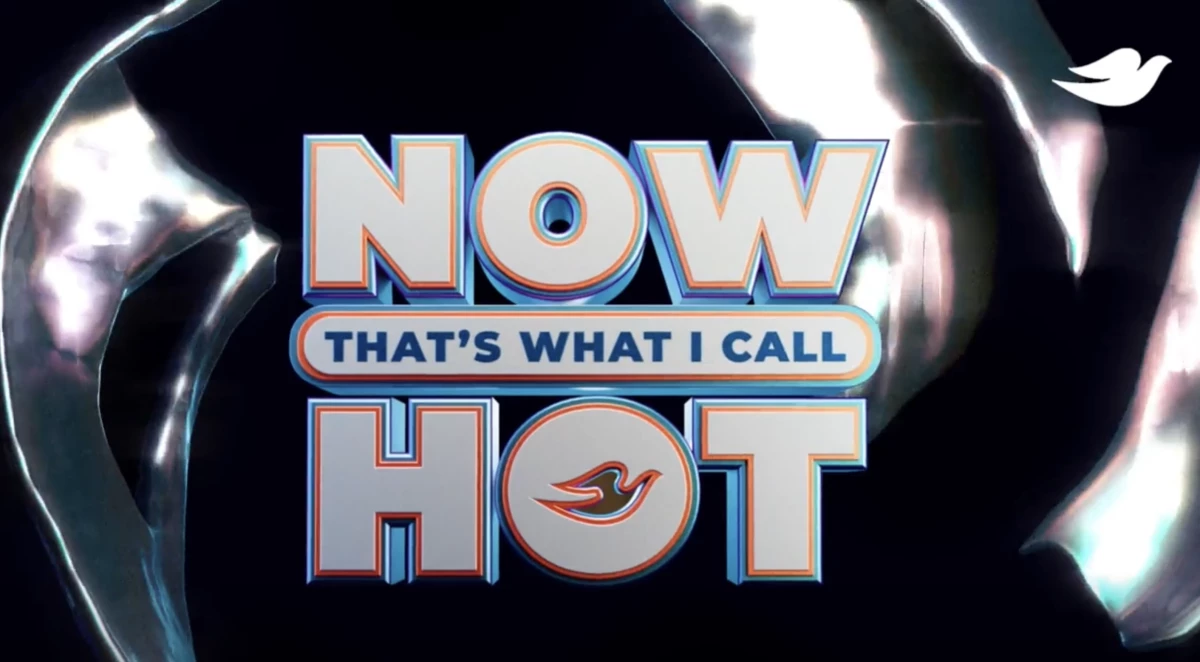
Ahead of its upcoming Grammys commercial, the Unilever-owned brand has released a teaser titled “NOW That’s What I Call Hot!”
It's a playful nod to the early-2000s infomercial era, inspired by the "NOW That’s What I Call Music!" album from the popular "Now" series.
Soundtracked by "Don’t Cha" by The Pussycat Dolls, the spot goes full-Y2K with its exaggerated enthusiasm and glossy throwback visuals.
More than the thematic gimmick, the teaser introduces Dove’s newly reformulated Whole Body Deo Alcohol-Free Spray and launches the "Dove Hot Seats 2.0: Grammys Edition Sweepstakes."
The best part? It gives fans a chance to win tickets to the 2026 Grammy Awards in Los Angeles.
Rather than relying on QR codes or landing pages, Dove asks consumers to do something old-school: pick up the phone.
Dove Keeps It Hot
Starting last January 9, fans can call a dedicated hotline, listen to prompts, and leave a short voicemail about what makes them feel hot.
Each voicemail will then count as a single entry.
The hotline remains open for 72 hours, which is a subtle nudge on the Dove product’s claim of all-over freshness duration.
Once the line closes, three winners will be randomly selected to receive two tickets each to the 2026 Grammys, along with exclusive fan access. Runner-up prizes will also be awarded.
"Fan engagement is the ultimate cultural currency, and Hot Seats proved it in year one," said Kevin Tolson, Head of Dove & SheaMoisture Deodorants at Unilever.
"We didn’t just connect with fans; we met them where they were and brought to life music as a passion point for the brand."
Tolson added that the program builds on Dove’s existing category leadership while responding to younger audiences’ desire for tangible experiences linked to culture.
"With 95% of young adults craving real-world experiences that tie back to what they love online,
We’re taking it up a notch in year two by scaling the program to turn those ‘out of reach’ moments into real fan access," he added.
Overall, a set of nostalgia-driven mechanics and a tangible reward lets Dove position itself as a confidence-first brand that understands how pop culture, memory, and participation intersect.
In fact, it even launched a new product last December in collaboration with the hit series Netflix "Bridgerton," capturing the hearts of its rich fanbase.
In 2024, parent company Unilever reported Dove as one of its top-performing personal care brands, contributing to the company’s €59.6 billion in global revenue.
A Lesson on Sweepstakes Execution
Dove knows that inviting the audience to participate in a sweepstakes can outperform traditionally polished ads when cultural timing is right. Here, we learn that:
- Nostalgia works best when paired with a clear action, not just visual callbacks or recycled aesthetics.
- Simple mechanics like phone calls can feel novel again when most campaigns default to screens.
- Brands like Pepsi and McDonald’s show that fan access scales when tied to culture, not just prizes.
Now, it's up to Dove to sustain "Hot Seats" beyond award-season moments without losing its sense of fun.
Our Take: Can Retro Attract Modern Audiences?
I’ll admit it, I'm a sucker for retro-themed campaigns.
There’s something gutsy about telling people to slow down, dial in, and leave their voice behind in a world used to commenting a hashtag and participating in other social media-linked sweepstakes.
This campaign works because Dove understands that nostalgia is all about real behavior.
This is where the confidence message lands, quietly but effectively.
In other news, LEGO recently leaned into live spectacle with a large-scale Star Wars activation at the Las Vegas Sphere.
It shows that brands continue to chase physical presence in a digital-first era.
Check out our top experiential marketing agencies that design campaigns that can spark nostalgic joy among audiences.