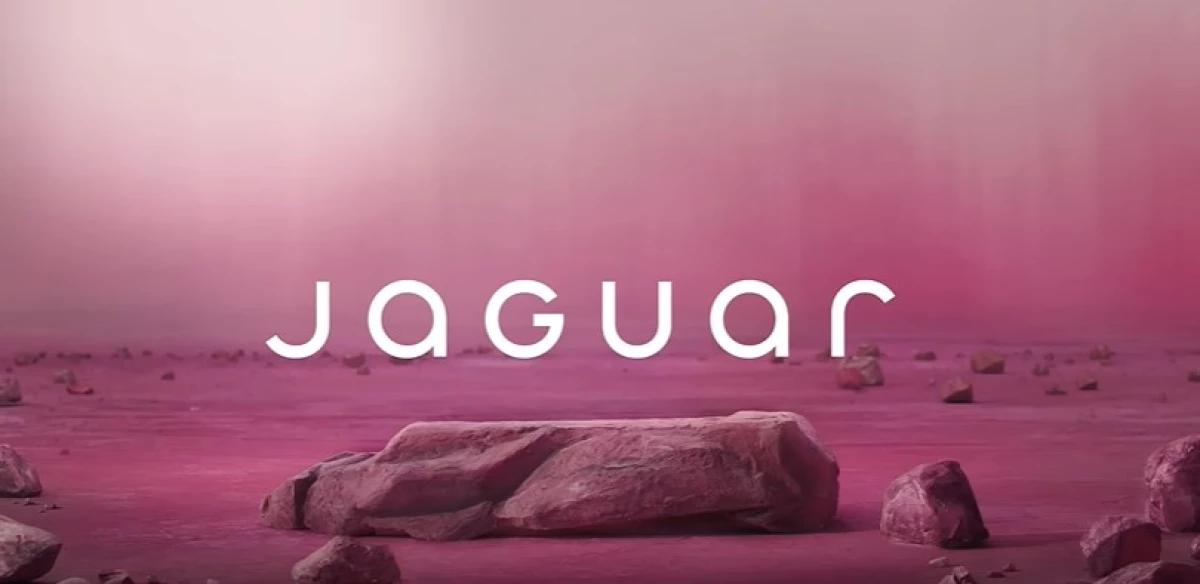

Last month, Jaguar’s 'Copy Nothing' rebrand drew backlash as critics questioned whether the brand’s heritage and goals aligned with its “New Era.”
Jaguar's in-house creative team created the campaign to symbolize the brand's transformation ahead of its shift to an all-electric lineup by 2025. However, the lack of vehicles in the campaign sparked confusion and criticism on social media.
Even Tesla and X CEO Elon Musk questioned Jaguar’s ad.
Do you sell cars?
— Elon Musk (@elonmusk) November 19, 2024
We asked Gabriel Shaoolian, CEO and founder of an award-winning, full-service web design agency Digital Silk for his insight on one of the most debated and polarizing rebrands of late.
Having worked with numerous startups and Fortune 500 companies, the agency has positioned itself as a notable industry leader — creating tailored digital strategies to drive reach, traffic, and engagement.
According to Shaoolian, Jaguar’s rebranding drew criticism for its modernized design because many saw the brand abandoning its heritage.
“Agencies can use this as a case study to balance innovation with legacy. This will help ensure that any rebranding project resonates with both new and loyal audiences through audience research and stakeholder alignment.”
Aligning Design Changes With Consumer Expectations
The mixed reactions to Jaguar’s rebranding highlight the importance of aligning design changes with consumer expectations.
Although significant changes are within expectations when it comes to rebranding, brands must tread carefully to strike a balance between innovation and familiarity. Sudden or poorly executed updates can alienate loyal customers, even as they aim to attract new ones.
To navigate this successfully, Shaoolian recommends agencies use audience sentiment analysis and iterative testing to ensure updates honor brand identity while appealing to new demographics.
“Transparent communication builds trust and acceptance,” Shaoolian advises anyone planning to push through a rebrand in the near future.
Brand identity is the most crucial element to making your brand stand out from the rest. This includes your messaging, core values, unique selling points, and ultimately the emotions you want people to experience when they engage with the brand.
So, what lessons can agencies learn from the public and industry response to Jaguar’s rebranding?
According to Shaoolian, the answer lies in proactive risk management and stakeholder involvement, which reduces the risk of public criticism, strengthens trust among stakeholders, and results in campaigns or strategies that resonate with both loyal customers and new demographics, ultimately driving stronger engagement and long-term brand success.
“Agencies should test ideas with key audiences, involve stakeholders early, and use phased rollouts to minimize backlash and build confidence in high-stakes efforts.
By following these processes, brands can effectively gauge audience sentiment, ensure alignment with stakeholder expectations, and create a smooth implementation path,” he adds.
Digital Silk is known for its results-driven approach, having delivered exceptional outcomes for clients — such as driving a nearly 50% increase in user engagement by redesigning M&A software leader Devensoft’s website.